
Last updated November 22, 2026
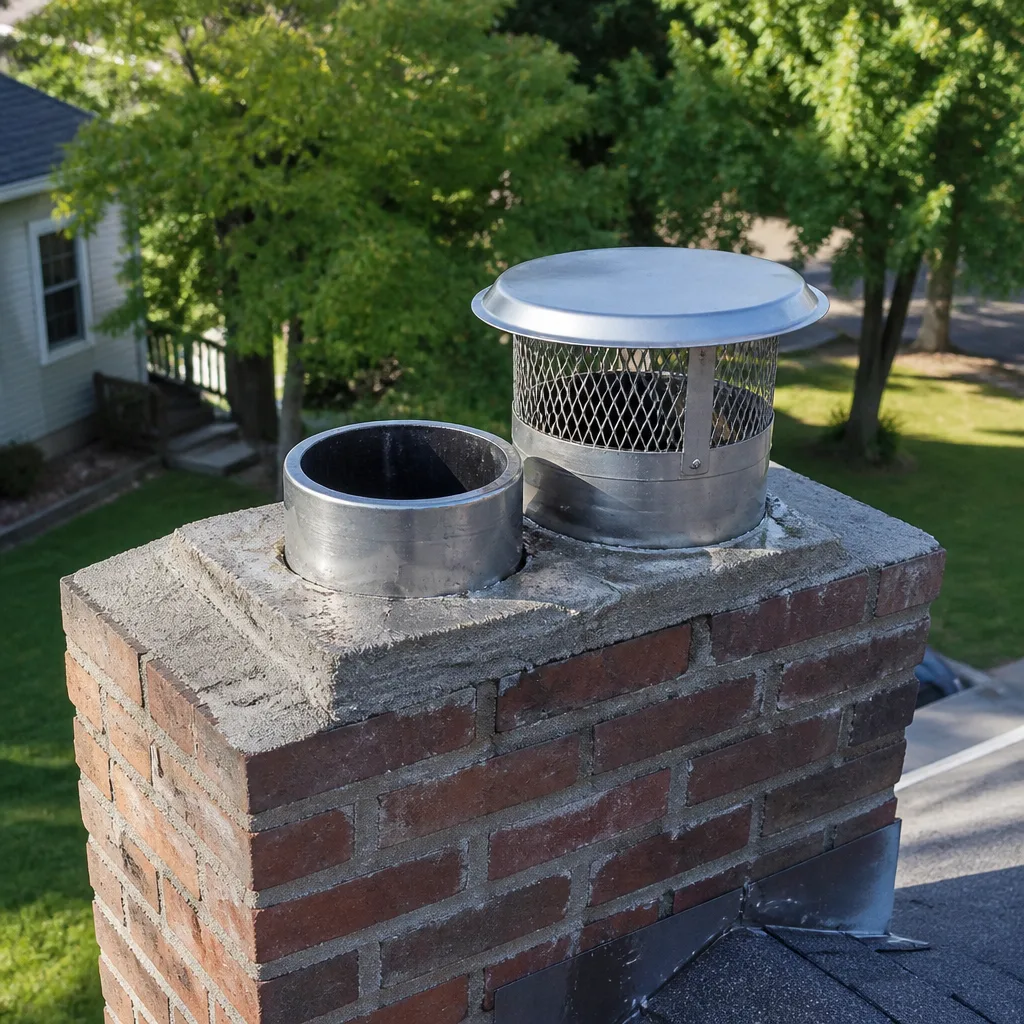 Sweep & inspection
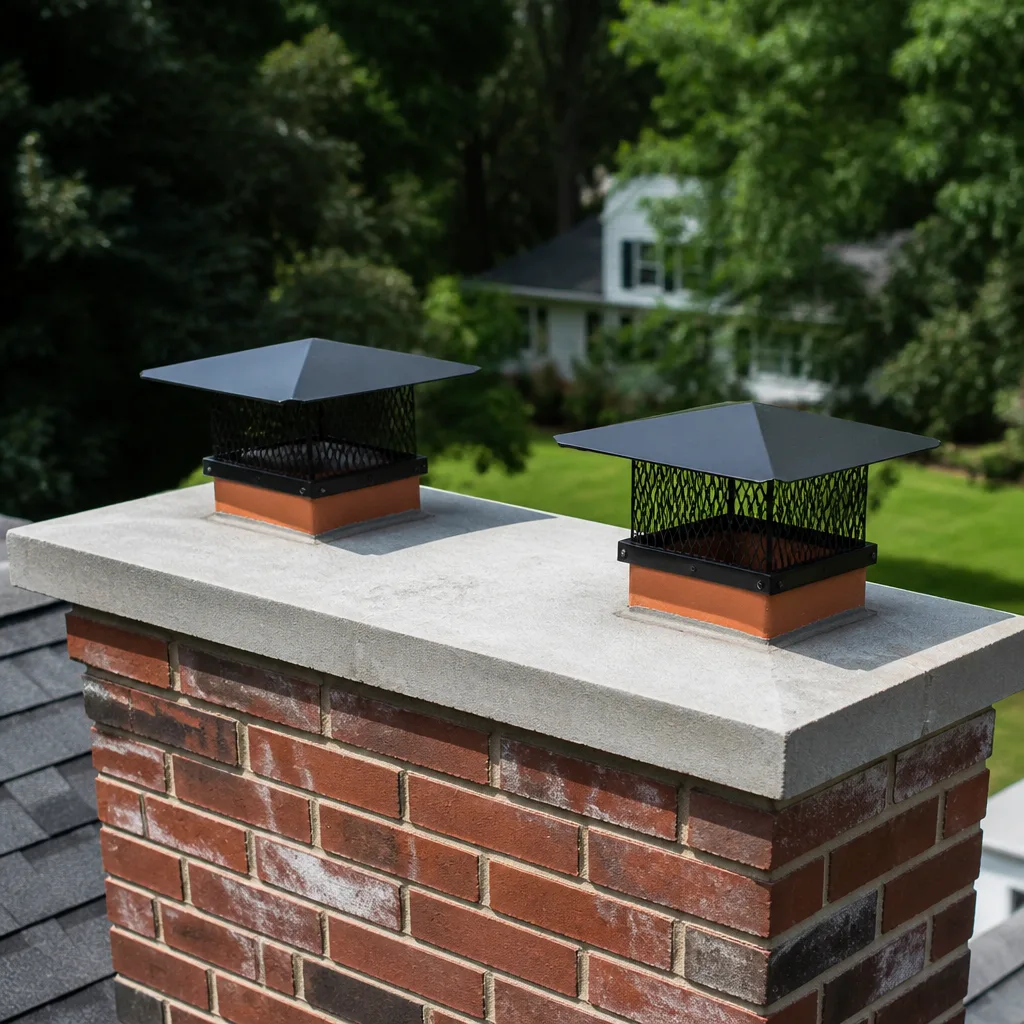 Caps & crowns
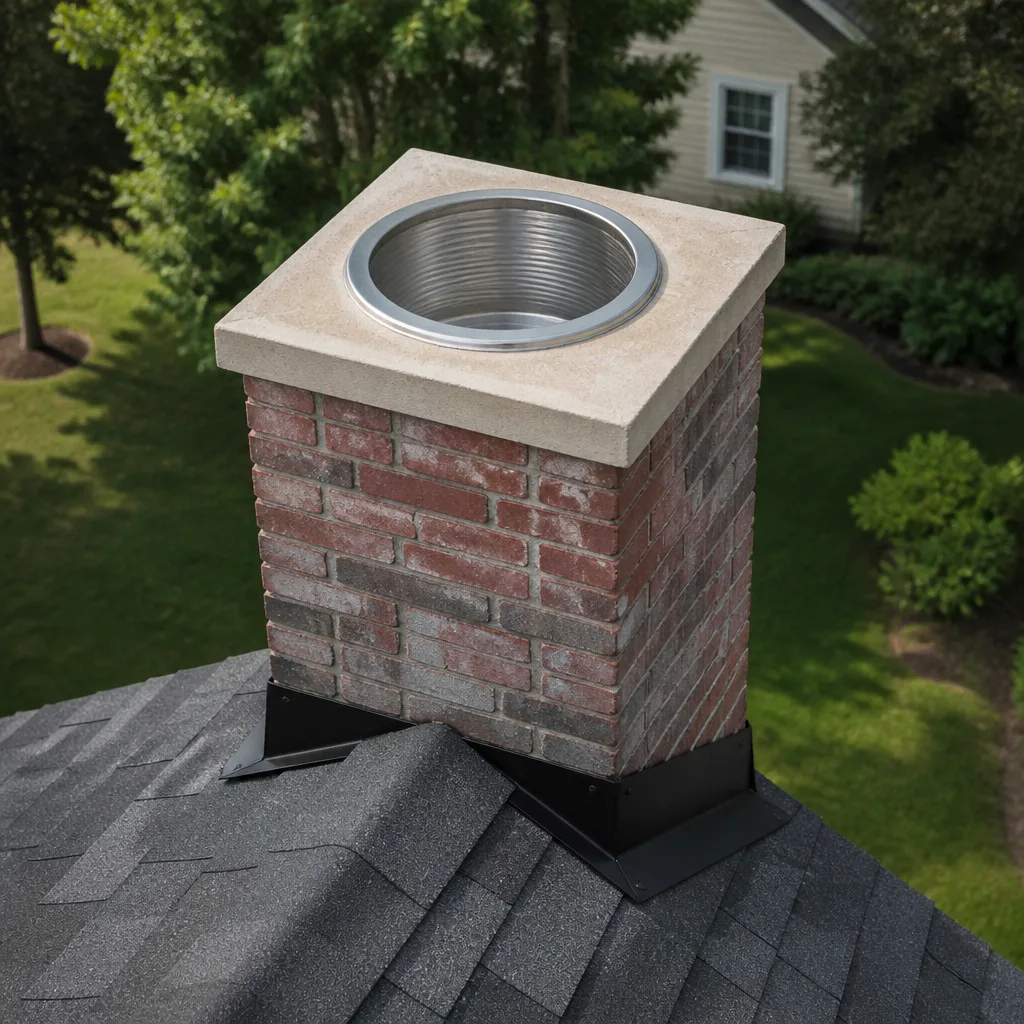 Flue relining
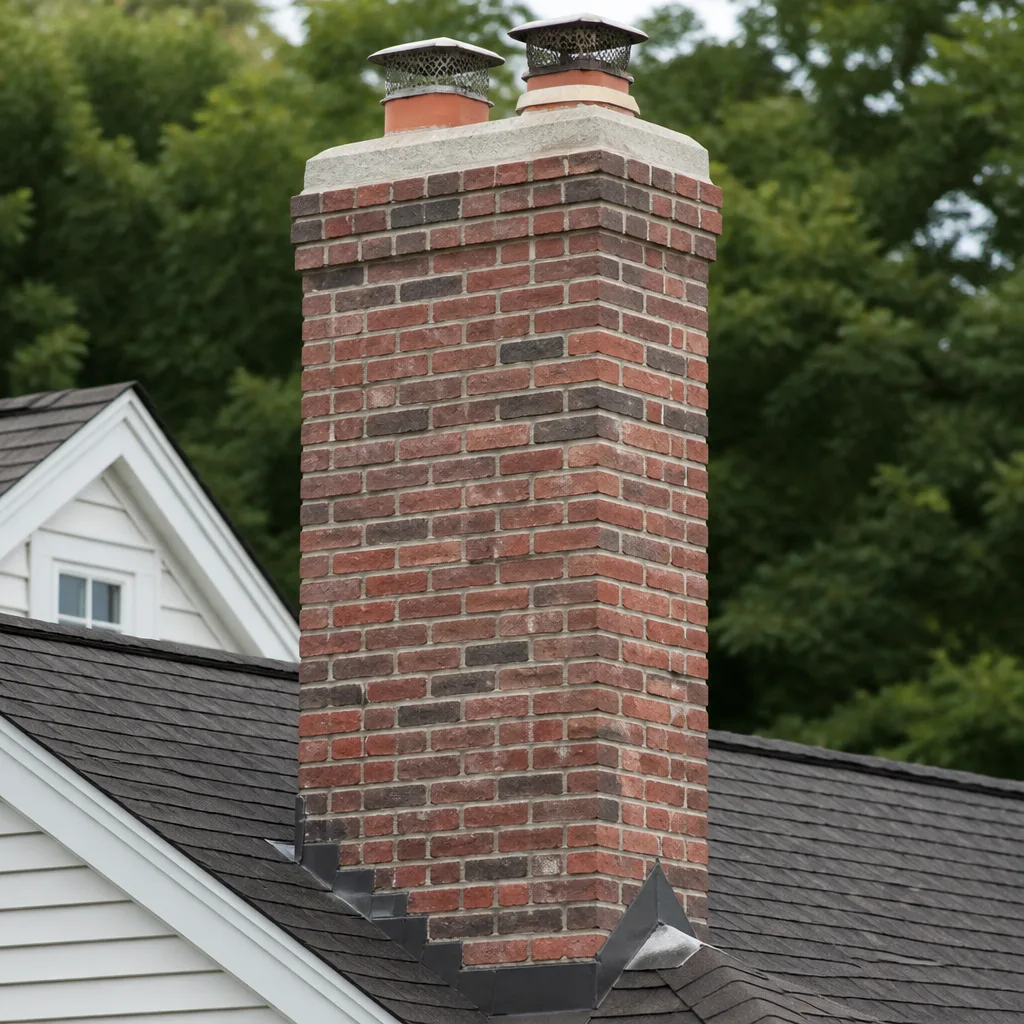 Masonry repair
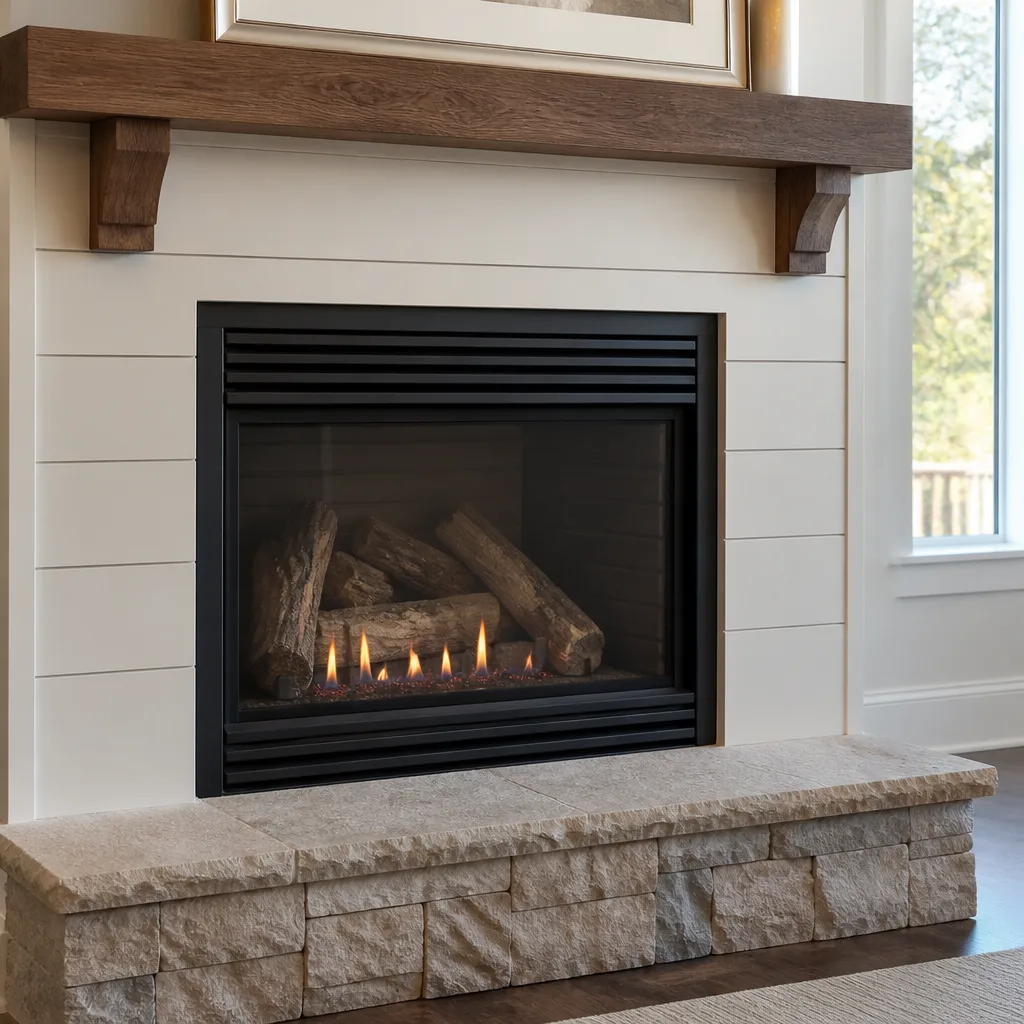 Gas fireplace service
Level 1 sweep and inspection to the NFPA 211 annual standard - flue, crown, cap, and flashing checked and photographed
Chimney sweep logs do not sweep chimneys. They loosen some creosote - which then falls where a brush and vacuum still have to collect it.
Seasonal Chimney Cleaning Care for Canarsie: Year-Round Homeowner’s Guide
Most chimney advice you’ll read says the same thing: get a sweep before winter, then forget about it. That’s the floor, not the ceiling. A Canarsie chimney faces four different kinds of stress across a single year, and treating maintenance as one autumn appointment means three seasons of diagnostic opportunities pass unnoticed. Summer, counterintuitively, is when chimney odors peak here – humid air pushes creosote smell back through open dampers into living rooms – and it’s also the easiest window to book a sweep. This guide hands out the specific tasks each season deserves so nothing compounds quietly between heating seasons.
Quick Answer
Chimney care in Canarsie works best on a four-season rhythm: inspect in spring for winter moisture damage, clean and waterproof in summer while the flue is dry, run a pre-season checklist in fall before the first fire, and monitor draft, odor and smoke in winter while the chimney is in daily use. Cleaning alone is not the whole job – the cap, crown and liner need eyes on them each season. Book a sweep and inspection together so you catch problems while they’re still small.
Styles & brands we work with
- Sweep & inspection
- Caps & crowns
- Flue relining
- Masonry repair
- Gas fireplace service
Table of Contents
- Spring: Post-Heating-Season Inspection for Moisture Damage
- Summer: The Ideal Cleaning Window and Waterproofing Timing
- Fall: The Pre-Season Checklist Before Your First Fire
- Winter: Mid-Season Monitoring for an Active Chimney
- How Canarsie’s Climate Compresses the Maintenance Timeline
- A Season-by-Season Chimney Task Calendar
- Common Mistakes to Avoid
- When to Call a Professional
Spring: Post-Heating-Season Inspection for Moisture Damage
Spring is when a chimney shows what winter did to it. Once the burning season ends and the freeze-thaw cycle eases, months of expansion and contraction, snowmelt, and condensation finally stop pressing against the masonry – and the cracks, spalling and staining left behind are at their most visible. This is the season for a thorough look, not a brush-and-go.
Our technicians have up to 8 years of experience, and the pattern is consistent. What we look for in a Canarsie chimney after a heating season falls into a few predictable categories:
- Freeze-thaw spalling. Water absorbs into the brick and mortar, freezes, expands, then thaws – and each cycle flakes off a bit of the masonry face. By spring, a chronically wet crown or shoulder shows rough, pitted brick.
- Cracked crowns. The concrete cap at the top of the chimney takes the most weather of any part. A hairline crack in fall can open into a water channel by spring, letting meltwater run straight down the flue.
- Liner condensate staining. Staining or white deposits on the flue interior often point to condensation rather than soot. That’s a moisture problem, not a draft problem, and treating it as a cleaning issue misses the cause.
Spring is also the right time to check that your chimney cap & crown work is holding. A cap that lost its fasteners or a crown that has cracked will let water back in all summer. Catching either now, before the humid season, avoids the worst of the water-intrusion cycle. Materials matter here – a cap sourced from a professional line such as Gelco or Famco holds up far better than a hardware-store cover, and the difference shows by the second or third spring.
If spring inspection turns up structural damage, that’s the moment to schedule chimney repair rather than waiting for fall. Masonry problems don’t get cheaper when you wait, and summer weather is friendlier to repair work than a frozen January.
Summer: The Ideal Cleaning Window and Waterproofing Timing
Summer is when you’ll actually get the appointment you want, and when the chimney is in the best condition to be cleaned and protected. Two things make it the smart window: a dry flue and less sticky creosote. In heating season, creosote deposits are tacky and harder to remove cleanly. After a dry, warm stretch, the same buildup brushes away more readily. And because summertime demand is lower, scheduling a sweep doesn’t put you in a queue behind every neighbor doing last-minute fall prep.
There’s a second reason summer matters, and it’s the one most homeowners don’t hear about. Humid air raises the risk of chimney odor – that faint smoky, sour smell that drifts into a living room through an open damper on a muggy day. The cause is usually creosote and soot residue reacting with moisture. A thorough cleaning in summer removes the material feeding the odor before the humid weeks peak.
Why waterproofing timing matters in summer
Waterproofing a masonry chimney is best done in a dry, warm stretch so the product cures properly. Summer gives you that window. Applying a breathable water repellent to the masonry surface stops the absorption that drives freeze-thaw spalling in winter, while still letting the wall release interior moisture. Done in fall or early winter, waterproofing may not cure correctly, and a surface that can’t shed water is exactly what triggers the spring damage we look at above.
Summer is also the right time for liner evaluation. If the flue interior is damaged – cracked clay tiles or a deteriorated lining – a resurfacing product such as HeatShield can restore the interior surface without a full tear-out. That’s a job most sweep-only crews can’t do, and it’s best done while the chimney is idle.
- Book a sweep and inspection together while scheduling is loose.
- Clean the flue thoroughly to remove soot, creosote and odor-causing residue.
- Assess the liner for cracks or deterioration and resurface if needed.
- Apply waterproofing to the masonry in a dry stretch.
- Re-check the cap and crown after cleaning, before autumn.
Fall: The Pre-Season Checklist Before Your First Fire
Fall is the last checkpoint before the chimney goes into daily use. By now the leaks, cracks and liner issues from spring and summer should be settled – and this is where you confirm the previous season’s repair work actually held. A repair that looked right in September but failed under the first heavy burn is a problem better caught now than in a cold snap.
Run through this checklist before you light the first fire of the season:
- Test the damper. Open and close it fully. It should move smoothly and seat flush.
- Check the cap and spark screen. Look for a cap that has shifted, lost its fasteners, or has a torn screen. A missing or damaged cap is the number one route for water intrusion and animal entry.
- Inspect the crown. Any new crack or crumbling edge on the crown means water can reach the flue.
- Look for exterior staining. Dark streaks or white deposits on the outside of the chimney can signal an interior problem.
- Confirm the flue is clear. A nest, leaf plug or loose tile fragment blocks draft and pushes smoke back into the house.
- Verify a recent sweep. If the flue hasn’t been cleaned since winter, get it done before the first fire.
If you’re in Canarsie and you’re not sure your cap and crown survived the year, this is the moment to have them looked at, not the week the temperature drops. A sweep without an inspection is a missed diagnosis – and the fall checklist is where a lot of those diagnoses get caught in time.
Winter: Mid-Season Monitoring for an Active Chimney
Once the chimney is in daily use, your job shifts from maintenance to monitoring. You’re watching for changes that suggest something has moved: draft that feels weaker than it did in October, odor that returns mid-season, smoke that curls into the room instead of up the flue. These are early signs that buildup has narrowed the flue or that a cap or crown issue is letting in moisture or air.
Mid-season draft changes are worth taking seriously. A flue that drew well in November and feels sluggish in January can mean a significant creosote layer has formed, a cap screen has clogged, or a joint has loosened. None of those are things to diagnose by feel alone – they need eyes on the flue.
Odor spikes in winter usually trace to one of two causes: wet creosote reacting with moisture (often from a cap or crown leak) or a blocked flue pushing gases back. Either way, don’t just open a window and keep burning. In our experience, the smart move is to pause use and have the chimney inspected before the next fire. Carbon monoxide risk is real and quiet, and it’s the reason we don’t tell homeowners to “burn through” a draft problem.
Winter is also when a chimney sweep in mid-season can be worth it, even if you cleaned in summer – because a heavy-use season can deposit enough buildup to need a mid-winter pass. Signs you’ve hit that point include a noticeably smokier firebox, stronger creosote odor, and a flue that just isn’t drawing as it should.
When to pause burning
- Smoke backing into the room around the damper.
- A sudden, strong creosote smell during use.
- Draft that has clearly weakened compared to earlier in the season.
- Visible cracking or movement on the exterior chimney.
- Any sign of water intrusion near the fireplace.
Any of these means stop and get it looked at. A chimney is invisible but high-stakes; treating a warning sign as a nuisance is how small issues become expensive ones.
How Canarsie’s Climate Compresses the Maintenance Timeline
National chimney-maintenance guidelines assume an “average” climate. Canarsie doesn’t sit in the average. The neighborhood’s climate – humid summers, wet winters with repeated freeze-thaw, and a marine influence that keeps humidity elevated compared to inland Brooklyn – pushes the maintenance timeline tighter than the standard once-a-year advice.
Two effects matter most. First, higher-than-inland humidity means masonry stays wet longer, and a wet wall goes through more freeze-thaw cycles than a drier one. That accelerates spalling and crown cracking. Second, the humid summer air is exactly what drives creosote odor back into living spaces. The result is that a Canarsie chimney benefits from closer seasonal attention than a chimney in a drier climate – checking the crown in spring, cleaning and waterproofing in summer, and watching draft in winter.
It also means waterproofing has a bigger payoff here than the national advice suggests. A breathable repellent applied in a dry stretch protects the masonry from the moisture cycles that do the most damage. Sourcing caps and crowns from professional lines – Gelco, Famco, Copperfield – rather than consumer covers is part of the same logic: the material has to survive a wet, freeze-thaw climate, not a dry one.
If a liner has taken years of condensate and staining, resurfacing with HeatShield addresses the interior surface without a full replacement. That’s a Canarsie-specific advantage: the local maintenance pressure makes interior liner protection as important as exterior waterproofing. And flexible lining systems such as DuraFlex let us restore a damaged flue where the geometry would otherwise force a bigger job.
A Season-by-Season Chimney Task Calendar
Here’s the whole year in one view – use it as a checklist to work through, not a schedule to memorize:
- Spring (post-heating): Inspect for freeze-thaw spalling, cracked crowns and liner condensate staining. Confirm cap and crown condition. Schedule any structural repair while weather is mild.
- Summer (idle season): Book the sweep and inspection together. Clean the flue while it’s dry and creosote is less sticky. Evaluate the liner and resurface if needed. Apply waterproofing in a dry stretch. Re-check cap and screen after cleaning.
- Fall (pre-season): Test the damper. Check the cap, screen and crown. Confirm repairs held. Get a sweep if the flue hasn’t been cleaned since winter.
- Winter (active use): Monitor draft, odor and smoke. Pause use and inspect if any warning sign appears. Consider a mid-season sweep if buildup is heavy.
The point of laying it out this way is that each season has a job. Skip spring and you miss moisture damage. Skip summer and you clean at the worst possible time. Skip fall and you light the first fire blind. Skip winter monitoring and small problems become big ones quietly.
Common Mistakes to Avoid
- Treating the annual sweep as the whole job. A sweep removes buildup but doesn’t fix a cracked crown or a failing cap. Cleaning and inspection are two separate jobs, and skipping the inspection misses the structural issues.
- Waiting until the first cold snap to book. In Canarsie, everyone calls at once when the temperatures drop. Booking in summer avoids the crunch and gets the flue cleaned while it’s dry.
- Ignoring summer odor. A smoky smell drifting into a room on a humid day is usually a sign that creosote residue needs attention – not something to mask with an air freshener.
- Applying waterproofing in the wrong season. A repellent that can’t cure in a dry, warm stretch won’t protect the masonry. Summer is the reliable window; late fall is not.
- Replacing a cap with a hardware-store cover. A consumer cover that doesn’t fit or fasten correctly lets water and animals in. Professional caps from Gelco, Famco or Copperfield are built for the climate and the fit.
- Burning through a draft problem. A flue that stops drawing is a carbon monoxide risk. Pause use and get it inspected instead of opening a window and carrying on.
- Splitting inspection and repair between vendors. When the company that finds the problem isn’t the one that fixes it, accountability slips. A single company that inspects, cleans and repairs closes the loop.
When to Call a Professional
Some chimney work is seasonal; some can’t wait. Call a professional if you see smoke backing into the room, smell a strong creosote odor during use, notice cracking or movement on the exterior chimney, or find water stains near the fireplace. Call if the flue hasn’t been swept since winter, if the cap or crown looks damaged, or if you’re not sure your previous repair held. A sweep without an inspection is a missed diagnosis, so book both together. If you’re buying or selling a home and the inspector flagged the chimney, get it looked at before closing. Chimney Sweep Canarsie offers free estimates in Canarsie – call (833) 508-9953. We answer 24/7, with fast dispatch from 7am to 7pm, Sunday through Friday.
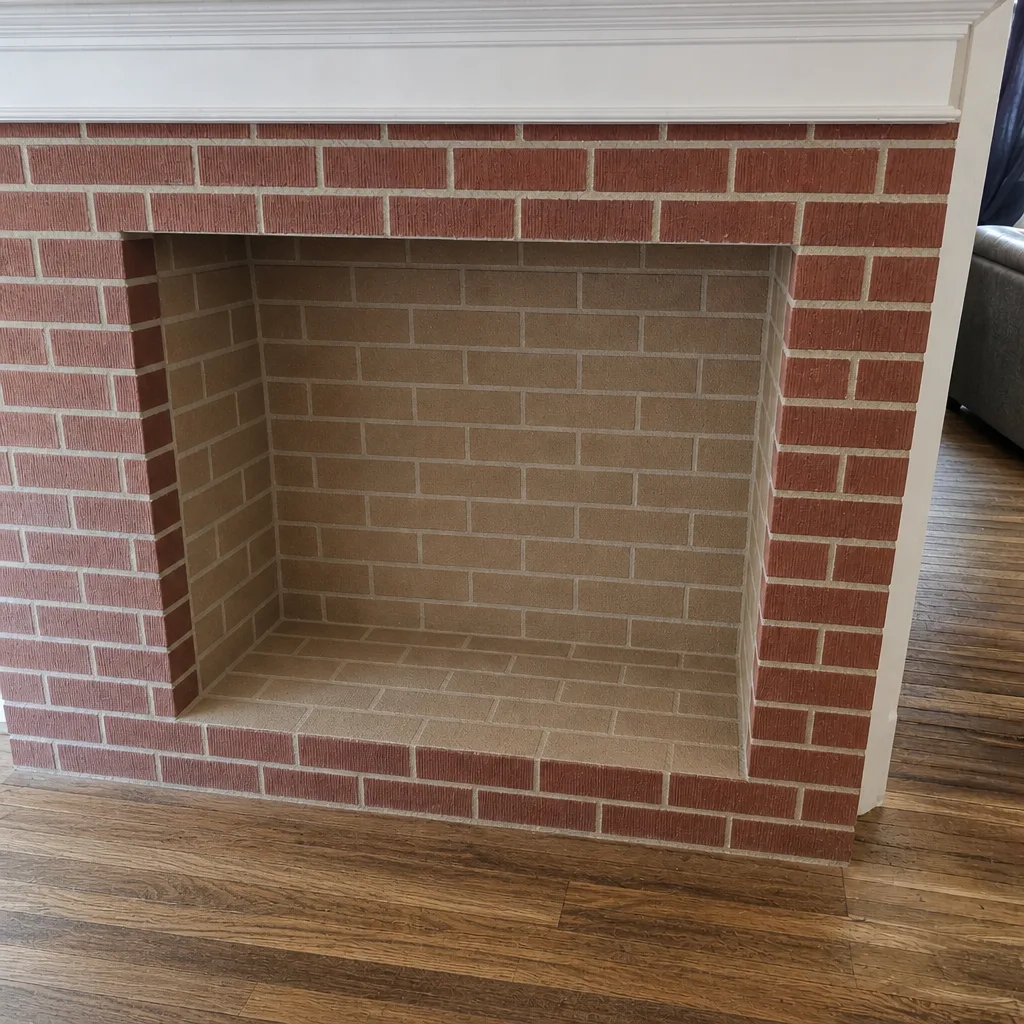
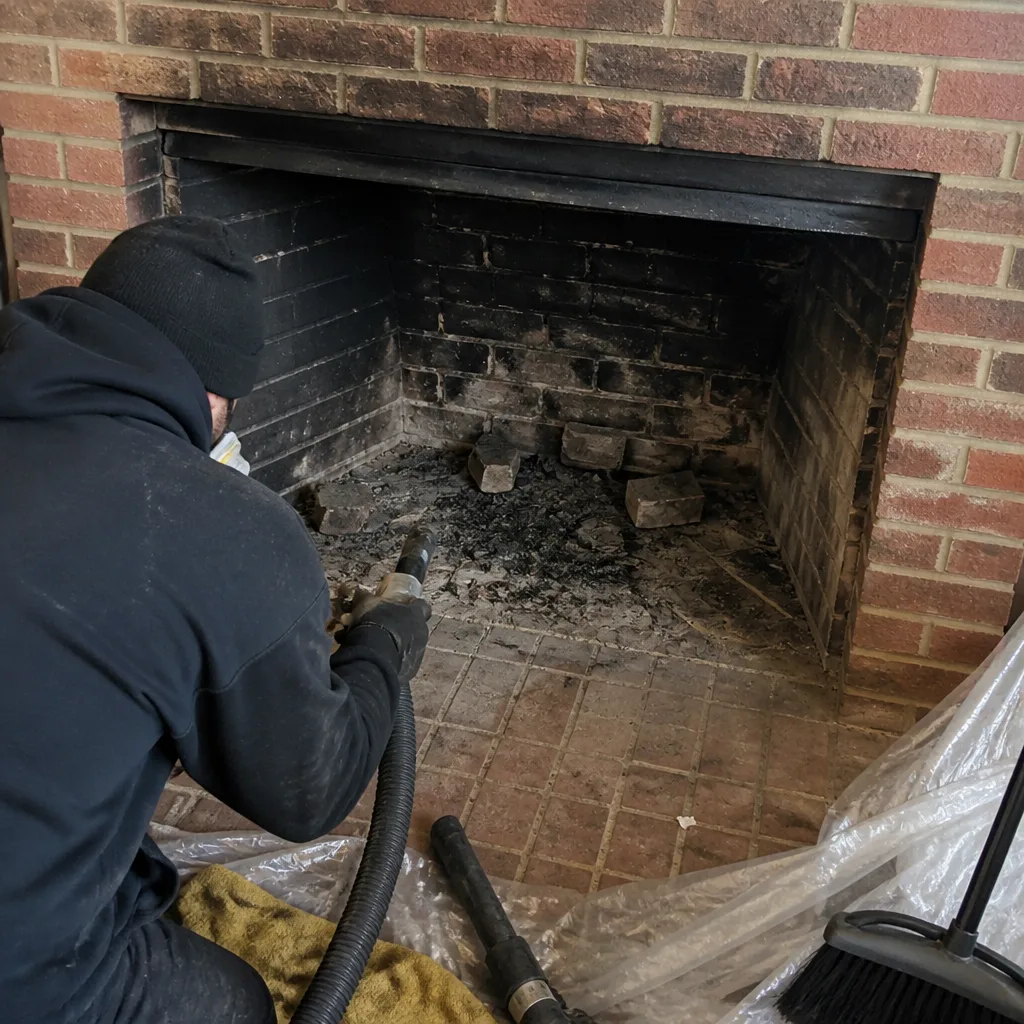
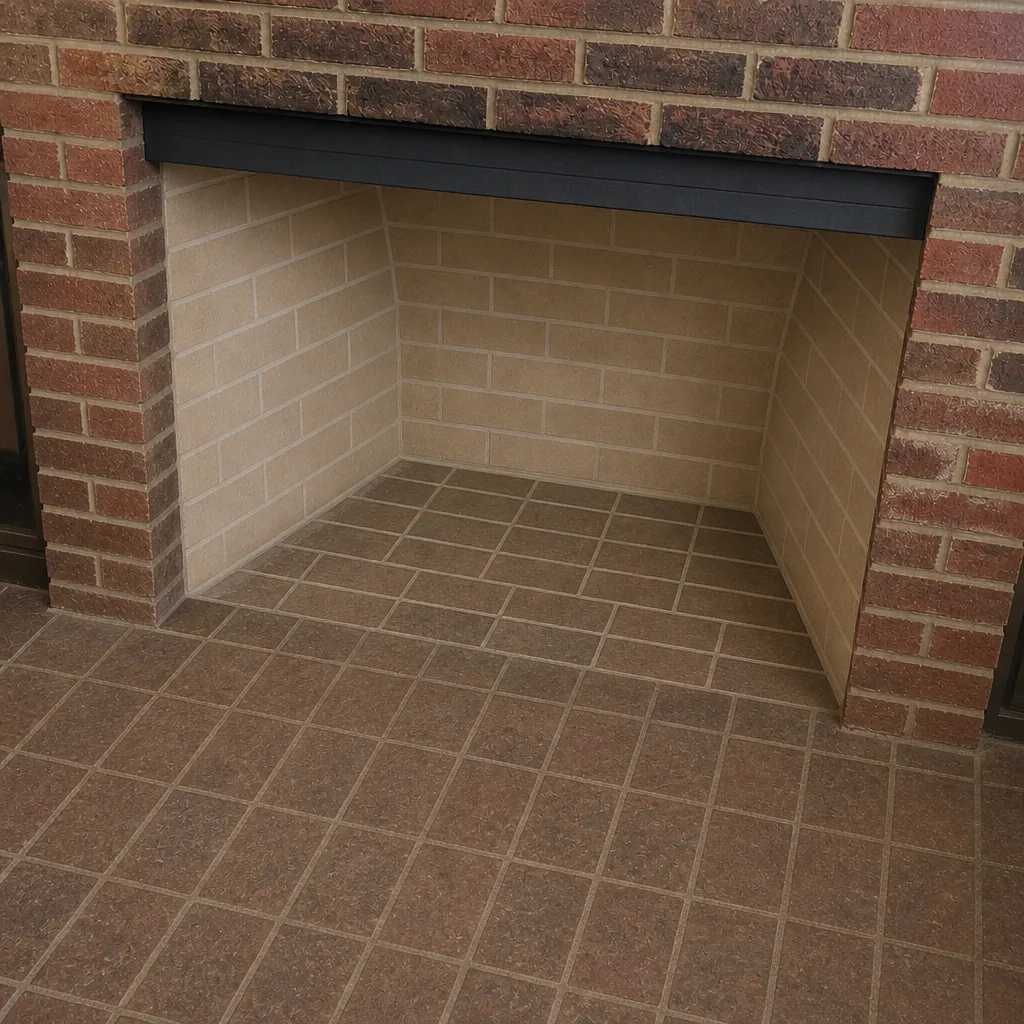
See the difference
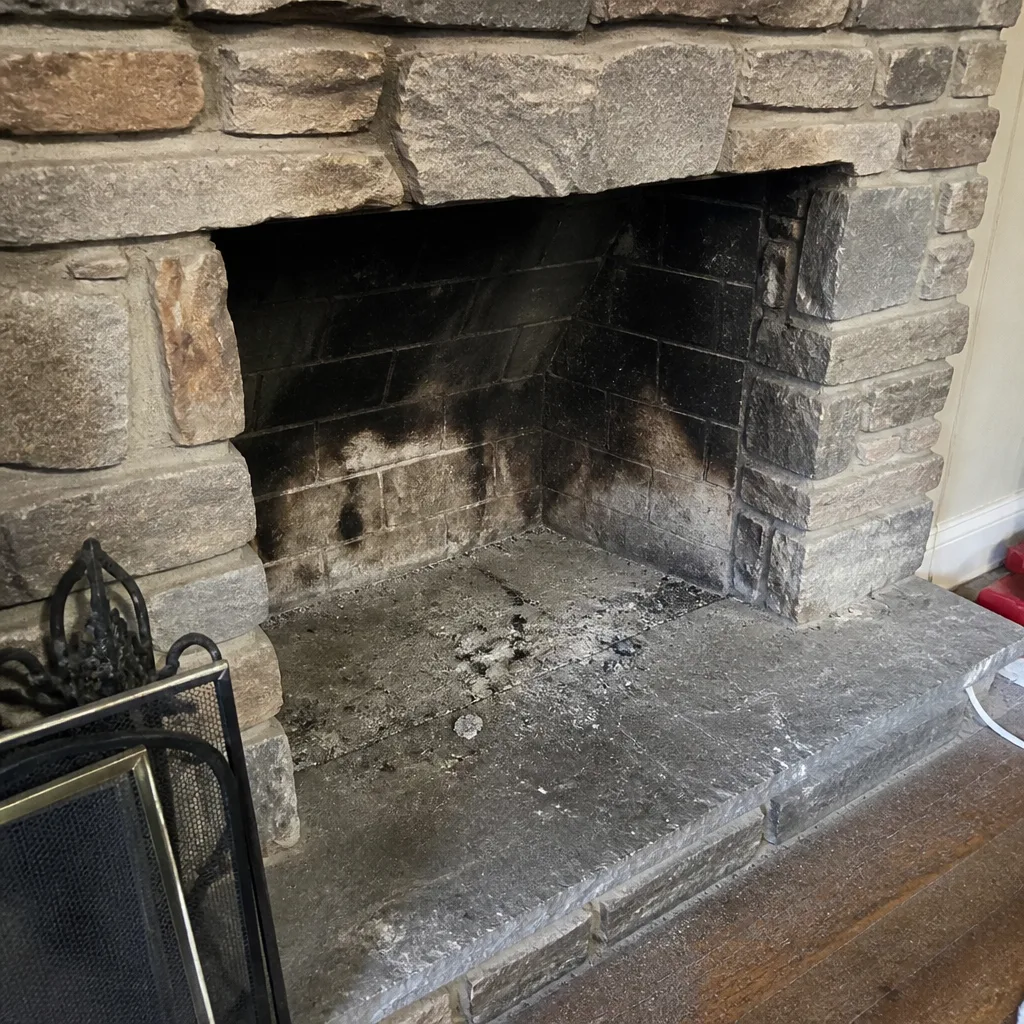 Before
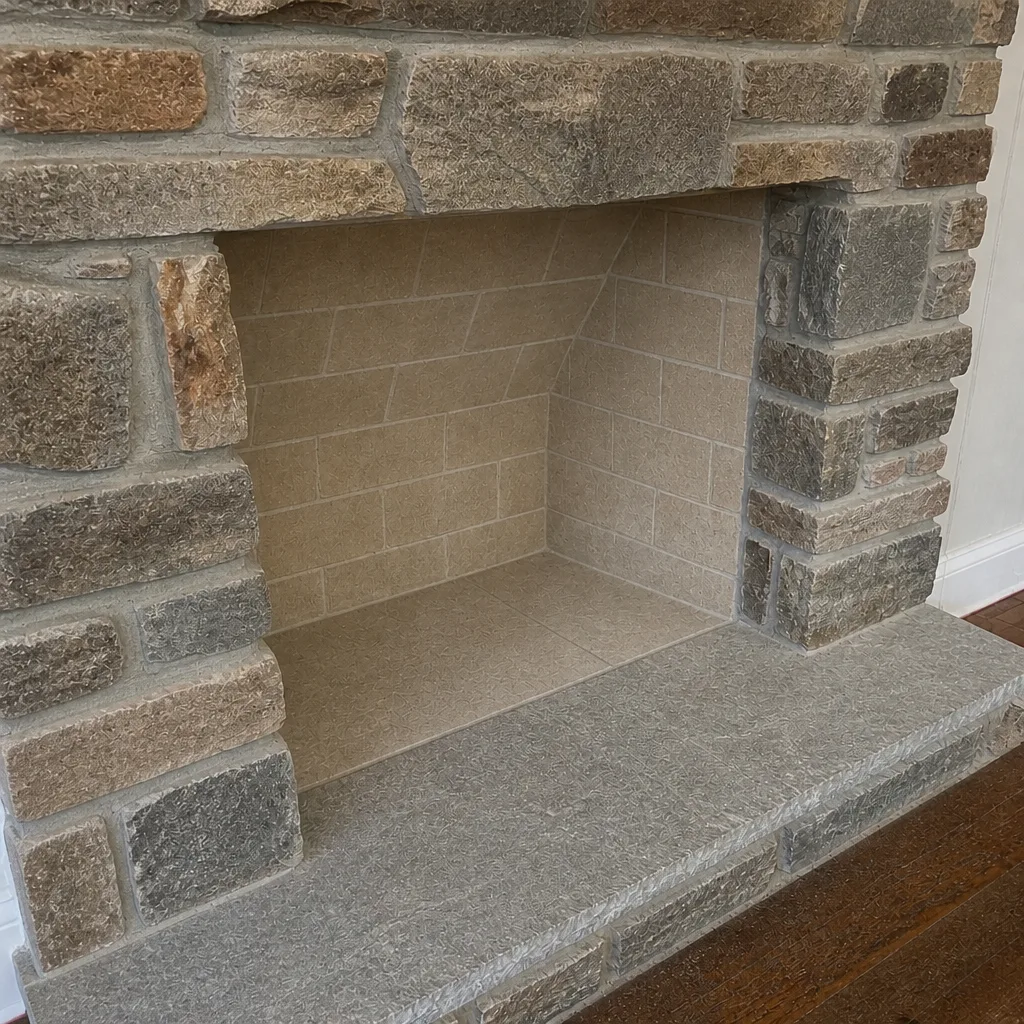 After
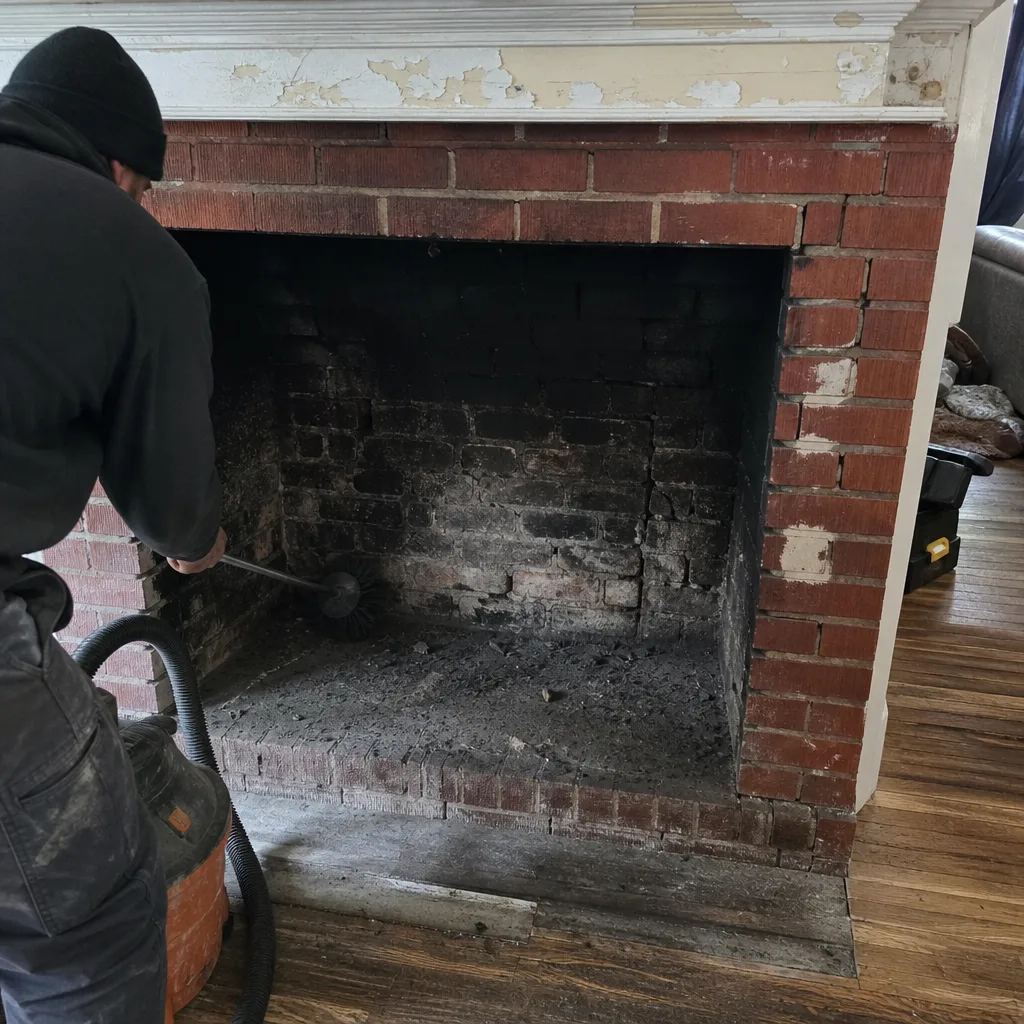 Before
 After
 Before
 After
Frequently Asked Questions
At least once a year with an inspection, and more often if you burn heavily or notice draft and odor issues. Canarsie’s humid, freeze-thaw climate puts more seasonal stress on a chimney than the national average, so a seasonal rhythm – spring inspection, summer clean, fall checklist, winter monitoring – keeps problems from compounding between annual visits. Call (833) 508-9953 for an exact quote – estimates are free.
Yes, for two reasons: the flue is dry and creosote is less sticky, and summertime scheduling is easier than the fall rush. It’s also the best window for waterproofing, which needs a dry, warm stretch to cure. Booking in summer takes the pressure off the pre-season crush. Call (833) 508-9953 for an exact quote – estimates are free.
Test the damper, check the cap and spark screen, inspect the crown for new cracks, look for exterior staining, and confirm the flue is clear and recently swept. Those five checks catch most of what goes wrong before the heating season starts. If anything looks off, get it inspected before you light up. Call (833) 508-9953 for an exact quote – estimates are free.
Humid air drives creosote and soot residue to release odor through an open damper into living spaces. It’s common in Canarsie during humid stretches. A thorough summer cleaning removes the material feeding the smell; a cap and crown check confirms water isn’t adding to it. Call (833) 508-9953 for an exact quote – estimates are free.
Often, yes. Resurfacing products such as HeatShield restore a deteriorated flue interior without a full tear-out, and flexible lining systems such as DuraFlex can reline a flue where the geometry would otherwise force a bigger job. The right call depends on what the inspection finds. Call (833) 508-9953 for an exact quote – estimates are free.
Small problems compound quietly: a hairline crown crack lets water in, freeze-thaw widens it, and by spring the masonry has spalled. Creosote buildup and a clogged cap can weaken draft and raise carbon monoxide risk. None of that is worth the gamble. A seasonal rhythm catches each issue while it’s cheap to fix. Call (833) 508-9953 for an exact quote – estimates are free.
The Bottom Line
Chimney care isn’t a once-a-year event – it’s a four-season practice. Spring inspection catches moisture damage from winter; summer cleaning and waterproofing protect the masonry before the humid season and the next freeze-thaw cycle; fall checks confirm repairs held before the first fire; winter monitoring catches draft and odor changes before they become hazards. Canarsie’s climate tightens that timeline compared to national guidelines, which makes each season’s task more important, not less. Chimney Sweep Canarsie handles the full lifecycle – sweep, inspection, cap and crown, chimney repair and fireplace repair – so one company inspects, cleans and fixes. From the firebox to the crown, one call does it.
Ready to get on a seasonal rhythm? Call (833) 508-9953 for a free estimate. We answer 24/7, with fast dispatch from 7am to 7pm, Sunday through Friday. Visit Chimney Sweep Canarsie to see the full range of chimney services.
Written by the team at Chimney Sweep Canarsie.