
Last updated November 22, 2026
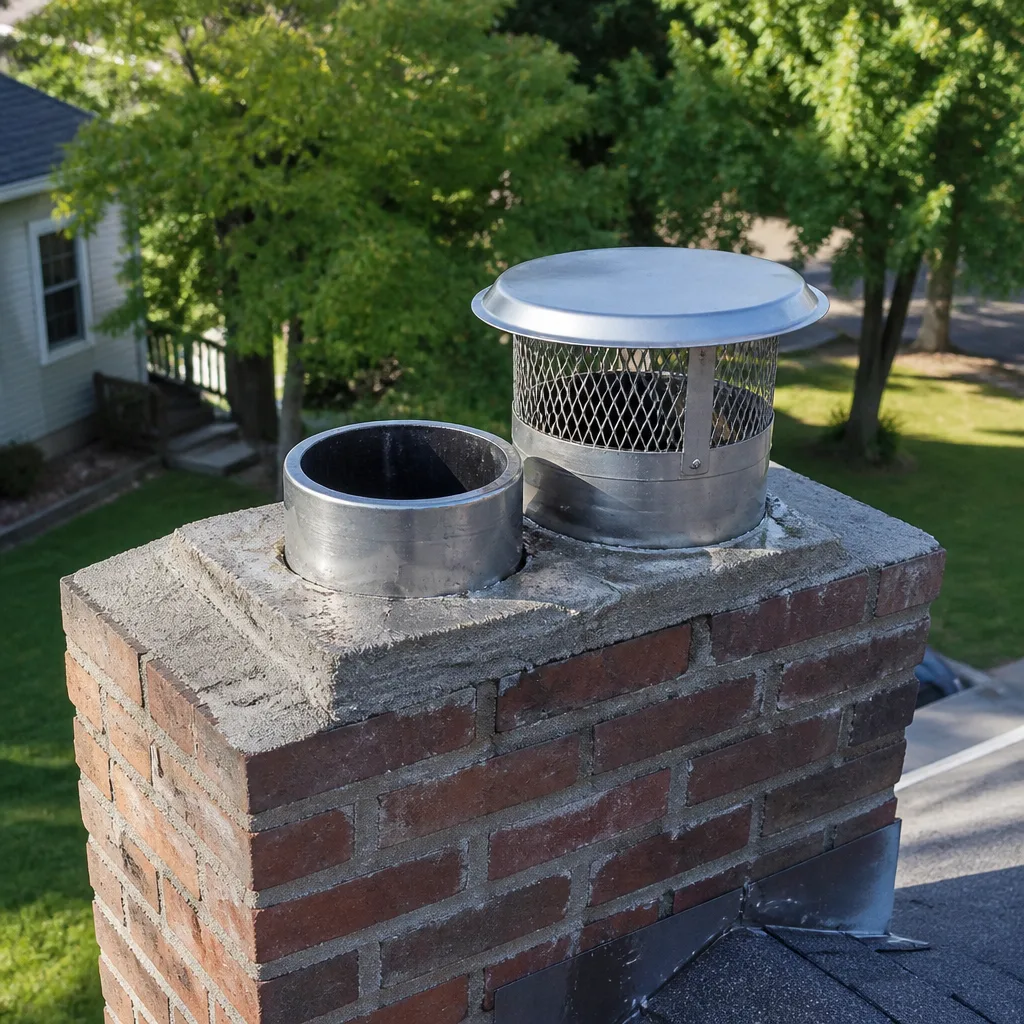 Sweep & inspection
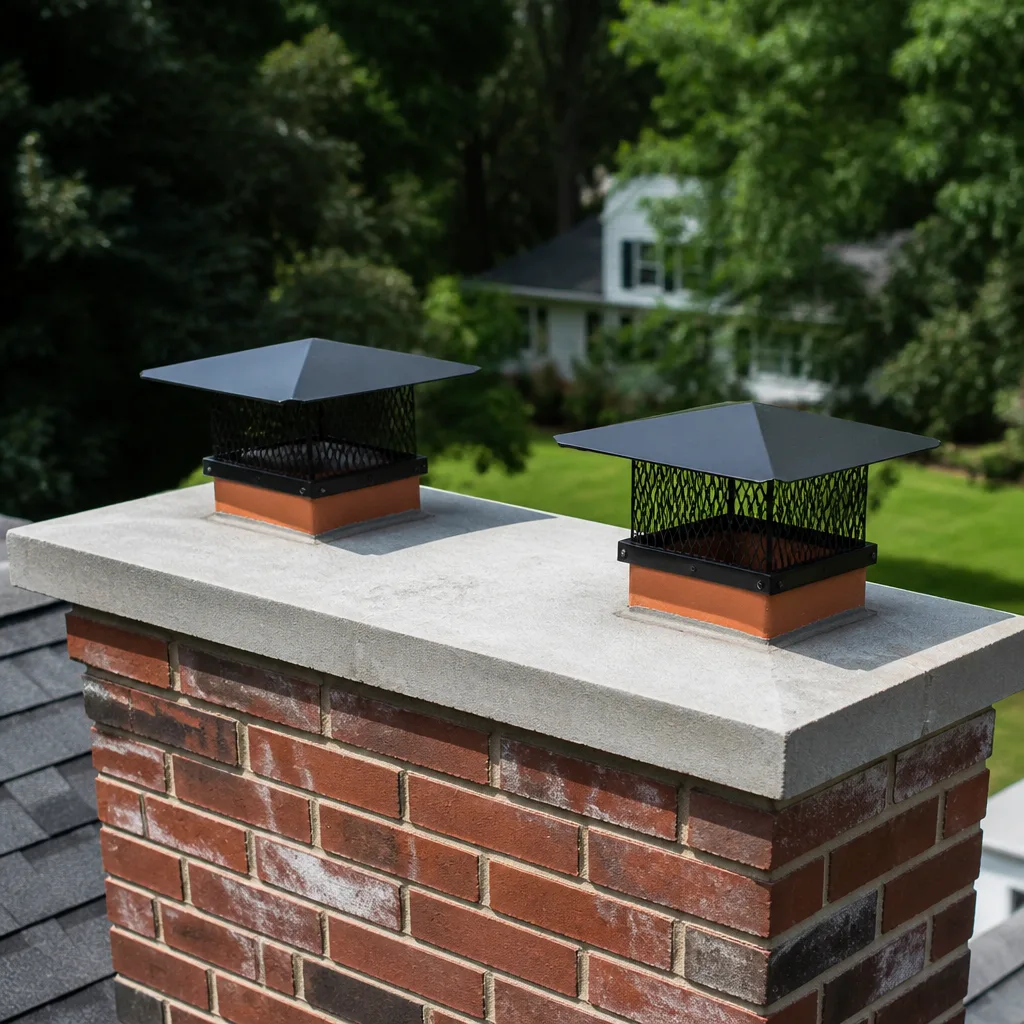 Caps & crowns
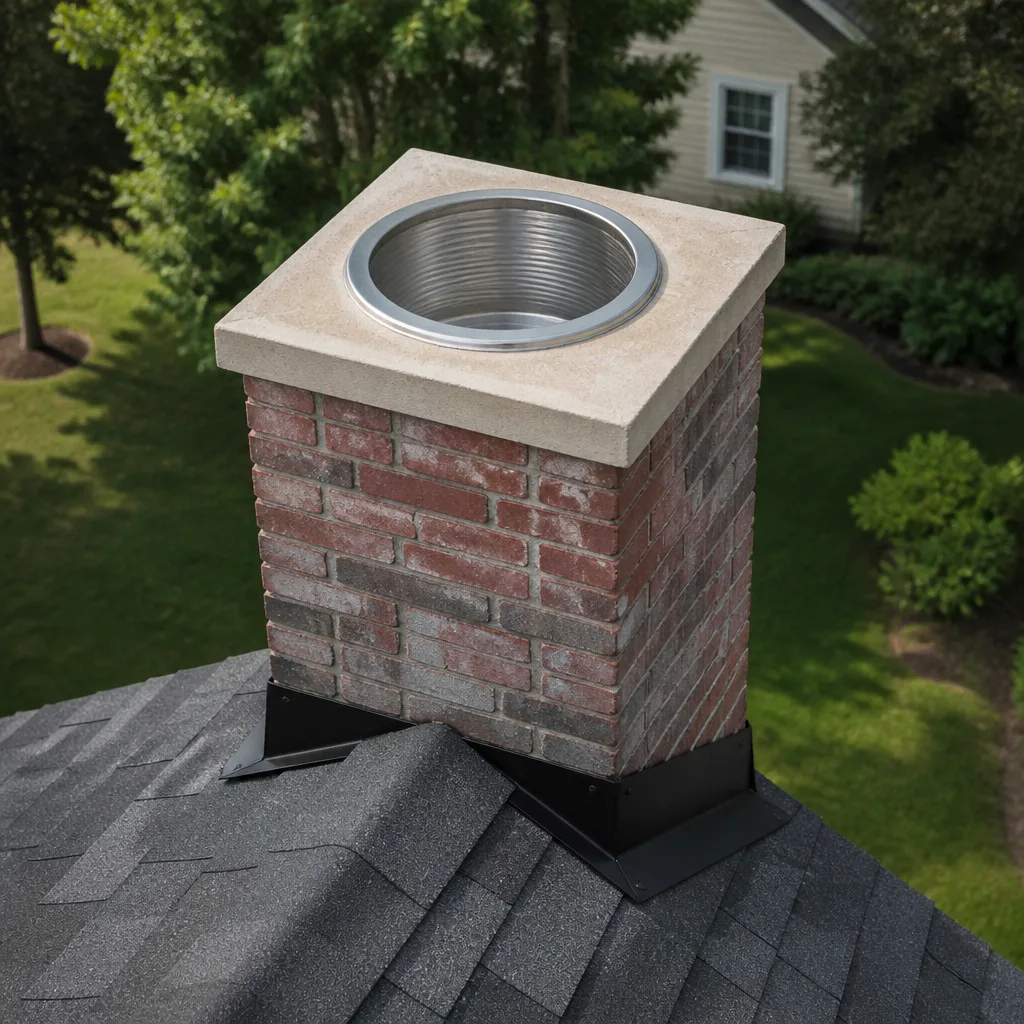 Flue relining
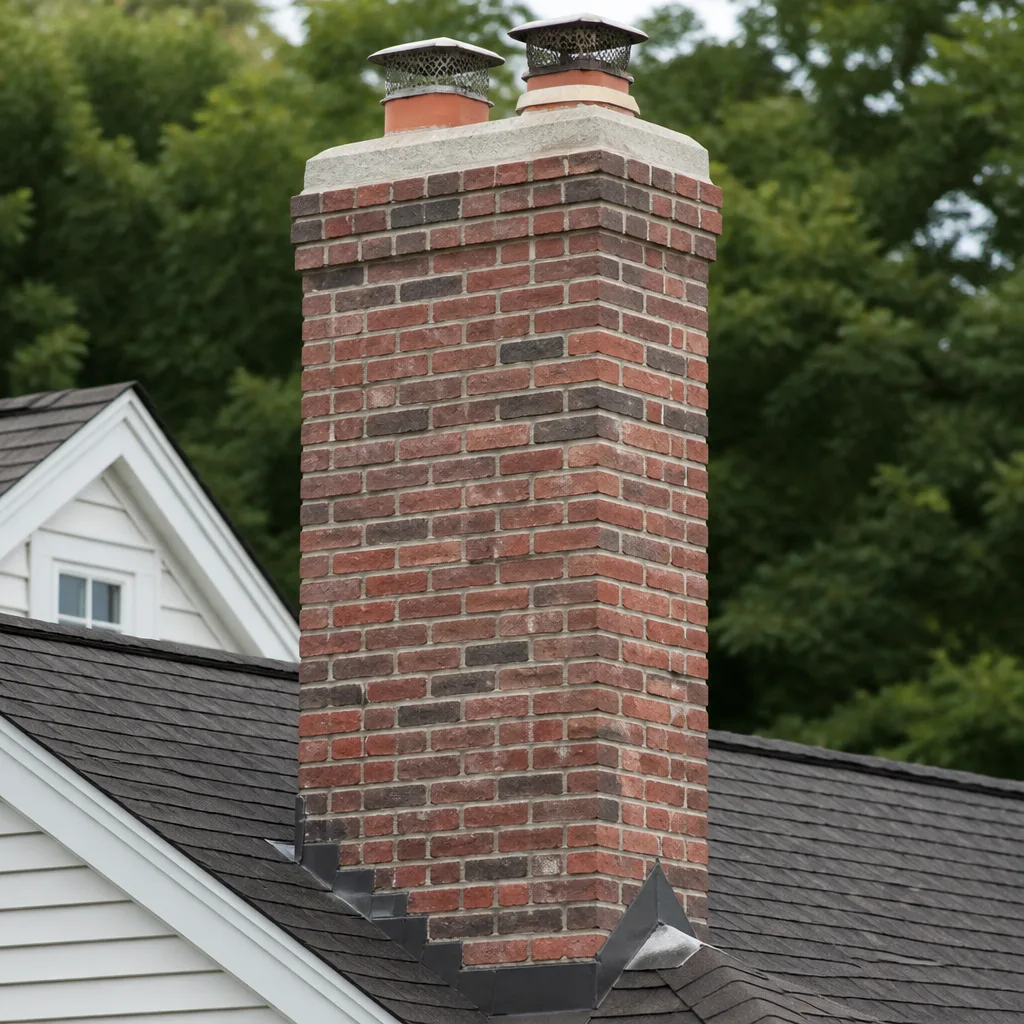 Masonry repair
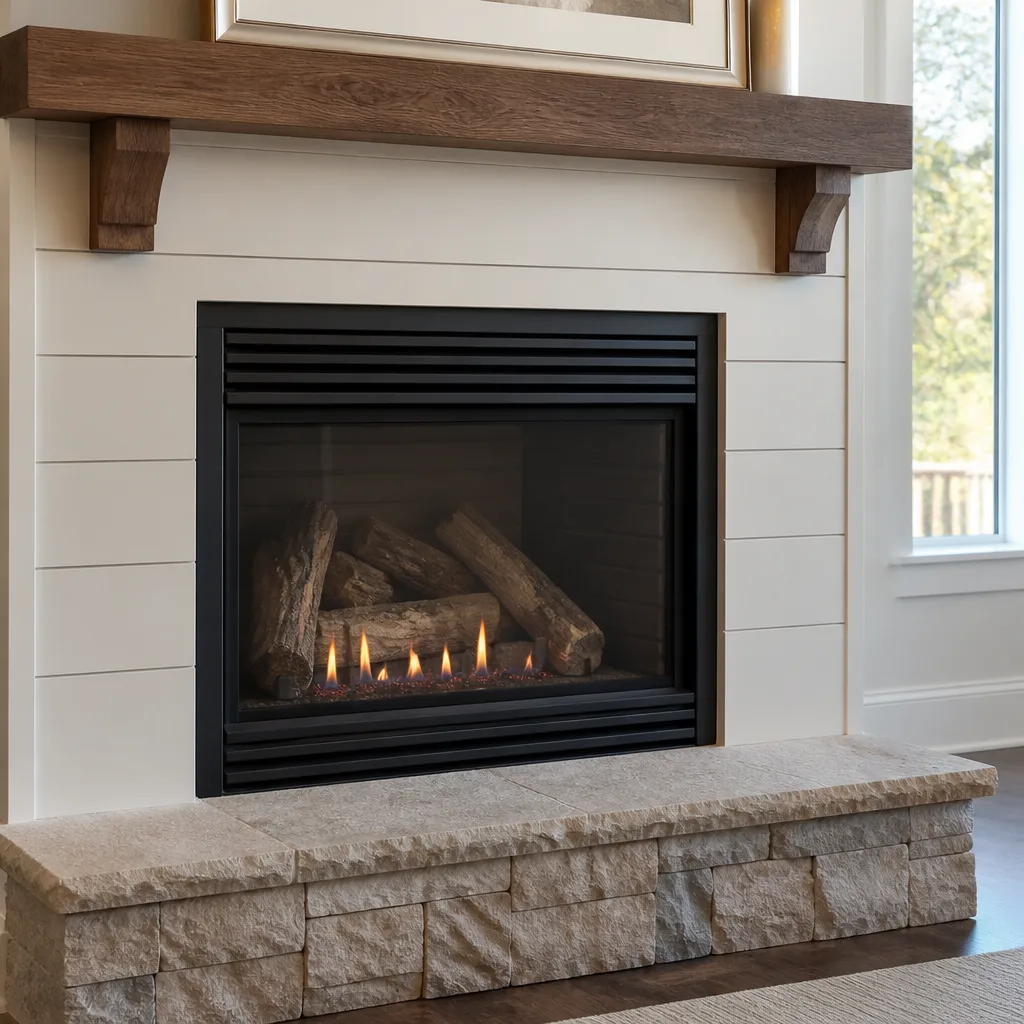 Gas fireplace service
Level 1 sweep and inspection to the NFPA 211 annual standard - flue, crown, cap, and flashing checked and photographed
Chimney sweep logs do not sweep chimneys. They loosen some creosote - which then falls where a brush and vacuum still have to collect it.
Chimney Cleaning Permits, Codes & Inspections in Canarsie, NY: What You Need to Know
Here’s the part most homeowners get backwards: the sweep itself almost never needs a permit, but what the sweep finds often does. In Canarsie, where brick rowhouses, semis, and older detached homes cluster around the Belt Parkway and the southern shore of Brooklyn, we’ve watched countless owners treat a chimney like any other routine chore and skip the paperwork when a repair follows. That gap has real consequences. It’s a code violation in New York City. Worse, it becomes an undisclosed material defect when the house changes hands years down the road or when an insurance adjuster looks past the surface of a claim. This guide walks through what needs a permit, what doesn’t, when a registered contractor is legally required, and exactly what paperwork a Canarsie homeowner should walk away with after any chimney visit.
Quick Answer
The one we get asked in Canarsie more than any other: do you need a permit to clean a chimney in New York City? The answer is no. Routine chimney sweeping is classified as maintenance and requires no NYC Department of Buildings (DOB) permit. But repairs that change the structure, replace a liner, or alter the flue almost always trigger a filing under the NYC Building Code, and the two most common are a minor work filing under a Licensed Master Plumber or a full Alteration 2 (Alt-2) application filed by a registered contractor. A proper inspection is the bridge between the two: it’s the step that tells you which category you’re in.
Styles & brands we work with
- Sweep & inspection
- Caps & crowns
- Flue relining
- Masonry repair
- Gas fireplace service
Table of Contents
- Maintenance vs. Alteration: Where NYC Draws the Line
- When Does a Chimney Job Need a Permit in Canarsie?
- When a DOB-Registered Contractor Is Legally Required
- How Local Law 11 Touches Chimneys on Canarsie Rowhouses
- NFPA 211 and How It Aligns With NYC Amendments
- What the Inspection Should Actually Cover
- Paperwork Your Insurance Carrier Expects After Service
- Records That Protect You When You Sell
Maintenance vs. Alteration: Where NYC Draws the Line
The single most useful distinction for a Canarsie homeowner is between maintenance and alteration. Routine maintenance keeps a system working the way it already was designed to work. Alteration changes the system’s design, materials, or structure. The NYC Building Code treats those two things very differently when it comes to paperwork.
Maintenance in the chimney world means removing creosote and soot buildup, brushing and vacuuming the flue, checking the damper, cleaning the firebox interior, and inspecting the cap and crown. None of that requires a permit, and any qualified sweep can perform it. When we do a standard chimney sweep in Canarsie, the work itself is maintenance in the legal sense.
Alteration is where the paperwork begins. In NYC terms, an alteration is any work that changes the configuration, materials, or dimensions of a building’s systems. On a chimney, that includes:
- Replacing a clay tile liner with a stainless steel flexible liner
- Resurfacing a damaged flue with a cast-in-place lining system
- Removing or rebuilding a chimney stack above the roofline
- Changing a wood-burning appliance to a different fuel type
- Adding a new flue, vent, or appliance connection to an existing chimney
- Structural repair of a crown or chimney breast that affects the building envelope
Those items generally require either a minor work filing (often filed by a Licensed Master Plumber on behalf of the owner) or a formal Alteration 2 (Alt-2) application. The right classification depends on the scope and how the work affects the building’s structural and fire-safety systems. That’s a determination your registered contractor makes, not a guess a homeowner should self-assess.
When Does a Chimney Job Need a Permit in Canarsie?
The practical answer: a cleaning almost never does, and a liner replacement or structural repair almost always does. Here’s how that plays out across the most common Canarsie chimney scenarios:
Scenarios That Typically Don’t Need a Permit
- Annual sweep and creosote removal – pure maintenance, no filing
- Visual inspection and draft test – diagnostic, no filing
- Cap replacement and minor crown sealing – often classified as maintenance-level repair, but scope matters
- Damper adjustment or minor hardware swap – routine maintenance
Scenarios That Typically Trigger a Permit
- Full liner replacement – alteration of the flue system, usually filed as an Alt-2 or minor work
- HeatShield flue resurfacing – a cast-in-place lining system alters the flue interior, and the filing requirement depends on scope and local interpretation
- Rebuild of the chimney above the roofline – structural work affecting the building envelope
- Changes to firebox or damper geometry – affects combustion and venting design
- New appliance installations or fuel conversions – requires an application and final inspection
If you’re not sure which side of that line a job falls on, ask the contractor to show you the permit application or exemption in writing before work starts. A professional who handles chimney repair regularly knows the classification cold. When you call Chimney Sweep Canarsie at (833) 508-9953 for a Canarsie estimate, we tell you up front whether the work you need requires a filing, and if it doesn’t, we tell you that too.
When a DOB-Registered Contractor Is Legally Required
Here’s where Canarsie homeowners get tripped up most often: a great sweep isn’t automatically a legal contractor for alteration work. Those are two different credentials under NYC rules.
Routine sweeping and inspection can be performed by any qualified chimney professional. No DOB registration is required to brush a flue and inspect a firebox.
Alteration work that requires a permit must be filed and performed by a DOB-registered contractor. Depending on the scope, that could be a Licensed Master Plumber (LMP) filing a minor work application, or a general contractor with the appropriate DOB registration filing an Alt-2. Whoever pulls the permit is legally responsible for the work passing inspection.
This is why single-trade sweep-only services leave homeowners stranded. A sweep who finds a cracked liner during your annual visit has done their job, but if they can’t file the permit for the repair that follows, you’re now looking for a second contractor, a second inspection, and a second opinion about what actually needs to happen. The paperwork becomes fragmented, and the insurer or buyer sees a gap.
At Chimney Sweep Canarsie, we handle the sweep, the inspection, and the scope of repair in one relationship. When the work requires a DOB filing, we tell you so and walk you through what the contractor-of-record arrangement looks like. From the firebox to the crown, one company, one call. That’s how a paper trail stays clean.
How Local Law 11 Touches Chimneys on Canarsie Rowhouses
Local Law 11, also known as the Facade Inspection Safety Program (FISP), requires owners of buildings taller than six stories to have exterior walls and appurtenances inspected every five years by a Qualified Exterior Wall Inspector. Chimneys count as appurtenances when they project from a facade. That rule rarely applies to the typical two- and three-story Canarsie rowhouse or semi-detached home, but it applies directly to the larger mixed-use and multifamily buildings scattered along Rockaway Parkway and Flatlands Avenue, and it applies to any Canarsie homeowner who owns a unit in a taller building where the chimney or vent stack is part of the shared facade envelope.
Three things Canarsie owners should know about the LL11 overlap:
- The chimney on a taller building is a facade component. If a chimney is projecting from an exterior wall on a building that falls under LL11, its condition becomes part of the FISP cycle, not just a chimney maintenance question.
- Structural chimney repairs on a covered building need to be coordinated with the facade inspection cycle. If you’re rebuilding a stack on a building over six stories, the scope may need to be documented by the QEWI, not just the chimney contractor.
- Water intrusion at the chimney is often the entry point for a facade violation. A failing crown or a cracked brick joint near the top of a stack lets water into the wall assembly, which the facade inspector will flag. This is why we treat the chimney cap & crown as protection for the building, not just the flue.
For the typical Canarsie single-family or two-family home, LL11 doesn’t apply, and normal maintenance plus prompt repair of crown and cap failures is the whole game. But know which category your building is in. It changes who has to sign off on a repair.
NFPA 211 and How It Aligns With NYC Amendments
NFPA 211 is the national standard for chimneys, fireplaces, vents, and solid fuel-burning appliances. It’s the technical reference almost every chimney inspector works from, and it’s the standard that defines what “safe to use” actually means when a cleaning report is written.
NFPA 211 covers things like clearance-to-combustibles requirements, flue sizing, liner integrity standards, and inspection levels. The three inspection levels you’ll see referenced in a professional report are:
- Level 1 – routine annual inspection, covers readily accessible portions of the chimney with the appliance connected
- Level 2 – required after a chimney fire, a change of appliance, a property sale, or an event that could have caused damage; includes a video scan of the flue interior
- Level 3 – diagnostic inspection that may require removing parts of the chimney to access concealed areas
New York City adopts NFPA 211 through its own building code amendments, and the NYC amendments are stricter on a few points – particularly around masonry chimney construction, liner requirements, and clearance to combustibles in wood-frame buildings. In Canarsie, where a lot of the housing stock is brick or masonry with wood framing in the roof assembly, those clearances matter. An inspector working to NFPA 211 without an eye on the NYC amendments can miss a compliance gap that a DOB filing would catch.
When you get an inspection report, ask whether it references NFPA 211 for the technical basis and whether the assessor checked compliance with the current NYC Building Code for local amendments. Both citations in one report are a sign of a professional who understands the two layers. A report citing neither is a red flag regardless of how nice the technician seemed.
What the Inspection Should Actually Cover
A sweep without an inspection is a missed diagnosis. In our experience, the biggest source of expensive surprises in Canarsie isn’t the sweeping; it’s the finding at the bottom of the flue that nobody looked for. Here’s what a proper chimney inspection should cover, in order, so you can compare against what you’re being offered:
- Exterior inspection – chimney crown, cap, flashing, brick and mortar joints, spalling, and slope of the crown away from the flue opening
- Roof-level inspection – spark arrestor, cap condition, any debris or animal nests, and visible signs of water intrusion at the top of the stack
- Firebox and damper – condition of firebrick, damper operation, and the smoke shelf
- Flue interior scan – camera inspection of the liner from top to bottom, looking for cracks, gaps, missing mortar joints, and stage-three creosote glaze
- Appliance and connector – if there’s a stove or insert, check the connection and clearances
- Draft and ventilation check – confirm the flue is pulling correctly and sized appropriately for the appliance
- Written report with images – findings, recommended work, whether the work is maintenance or alteration (permit implications), and photos or video evidence of every issue flagged
That last point deserves emphasis. Ask for the images. A liner crack that you can see with your own eyes is a fact you can act on. A liner crack that exists only in the technician’s verbal description is a decision you can’t verify. We work with Olympia Chimney and other professional-grade brands precisely because we want the report we write to match the materials we install – no substitution between what was assessed and what gets fitted.
Paperwork Your Insurance Carrier Expects After Service
If you ever file a claim tied to a chimney – a flue fire, a smoke or water damage event, or a carbon monoxide incident – the adjuster will want documentation that shows the chimney was properly maintained and any repair was done to code. Here’s what to gather after every service, and keep in a home records folder:
- Written cleaning report – date, scope of work, and the sweep’s observations
- Inspection report with photos or video – every finding documented visually
- Permit application number and filing status – if a permit was required, the filing establishes the work was tracked by DOB
- Signed final inspection sign-off – if a permit was pulled, the post-work inspection is the proof of code compliance
- Materials documentation – brand, product class, and model of any liner, cap, or crown installed
- Contractor credential copy – the DOB-registered contractor of record for permit work, or the qualified sweep for maintenance
When an insurer asks “was the chimney maintained?” the answer needs to be a document, not a recollection. That’s the clearest reason to keep every chimney report, not just the ones with bad news. Routine maintenance reports with clean findings are just as valuable, because they establish a history of care.
Records That Protect You When You Sell
When you sell a Canarsie home, the buyer’s inspector will look at the chimney the same way they look at the roof, and any permit-required work that was done without a permit shows up as an open item – or worse, as undisclosed material defect if it surfaces after closing. That’s why the paper trail from a rebuild or a liner replacement matters as much as the work itself. A liner installed with a DOB filing that includes a final inspection sign-off is a documented improvement. The same liner installed without a filing is a liability conversation with a realtor.
If you’re planning to sell within the next few years, do the audit now:
- Pull any permits on record with DOB for the property
- Match chimney work you know about against the filed permits
- Request a Level 2 inspection to document current condition for the listing
- Resolve any open or unpermitted work before the inspection phase of the sale begins
We’ve seen sales stall over a chimney liner that could have been documented correctly on the day it was installed. The fix isn’t complicated; it’s just paperwork done in the right sequence, by the right contractor, before the work begins.
Common Mistakes to Avoid
- Assuming a cleaning covers the inspection. A brush-and-vacuum visit is not an inspection. If no report and no photos come with the visit, you paid for maintenance without getting the diagnosis that actually protects you. Ask the sweep what inspection level they performed before you book.
- Letting a liner be replaced without a permit filing. A full liner replacement in NYC is alteration work. If your sweep hands you an invoice with no filing documentation, ask who is the contractor of record and whether a permit application exists. No answer means no protection.
- Trusting a “we can do it all” sweep who isn’t a DOB-registered contractor. Sweeping and permitted alteration are different credentials. A sweep who offers to install a liner without a filing is offering work they may not be legally qualified to perform.
- Ignoring the crown after a cleaning. In Canarsie’s mix of freeze-thaw cycles and summer storms, the crown takes a beating. Water that sits at the top of the flue works its way down through every joint and rots the brick from the inside. If the crown wasn’t checked, it wasn’t cleaned properly.
- Skipping documentation for a future insurance claim. A chimney fire claim without a maintenance history is a fight. A claim with three years of clean sweeps and inspection reports in the folder is a payout. The folder costs nothing to keep.
- Ignoring LL11 status on a taller building. If you own in a building over six stories, the chimney is part of the facade envelope under the FISP cycle. Treating it as a private maintenance item and skipping the QEWI coordination has led to facade violations that would have been caught earlier.
- Waiting until a sale to correct unpermitted work. Cleaning up unpermitted chimney work during a home sale is expensive, slow, and stressful. Doing it years earlier when you’re not under contract is routine.
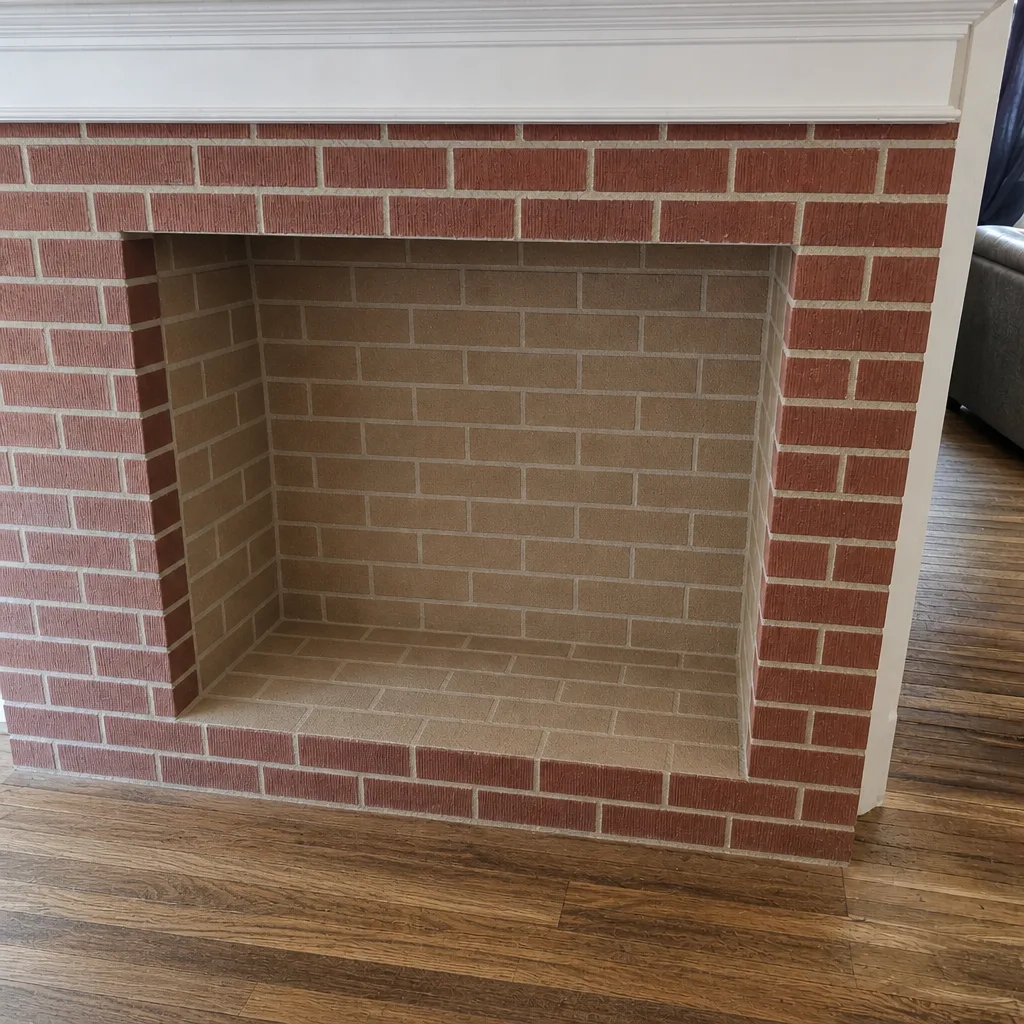
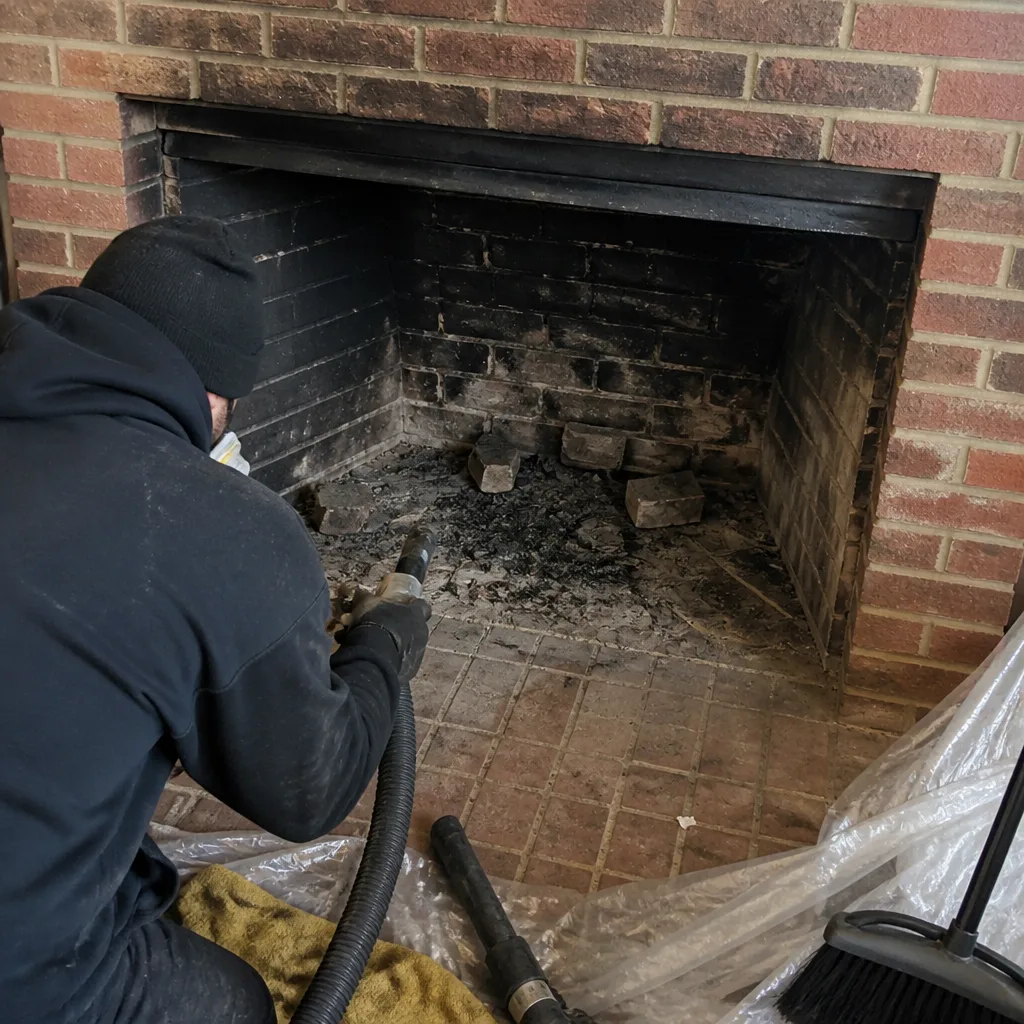
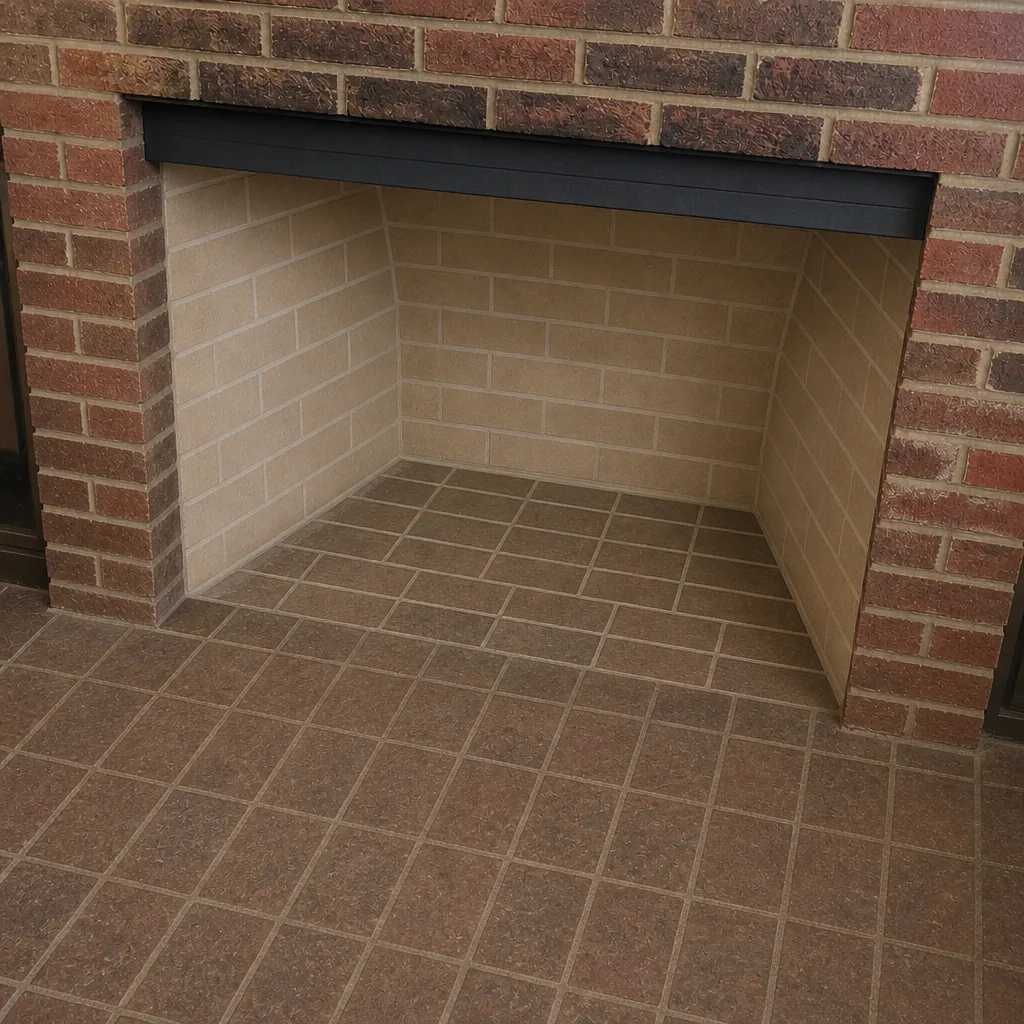
See the difference
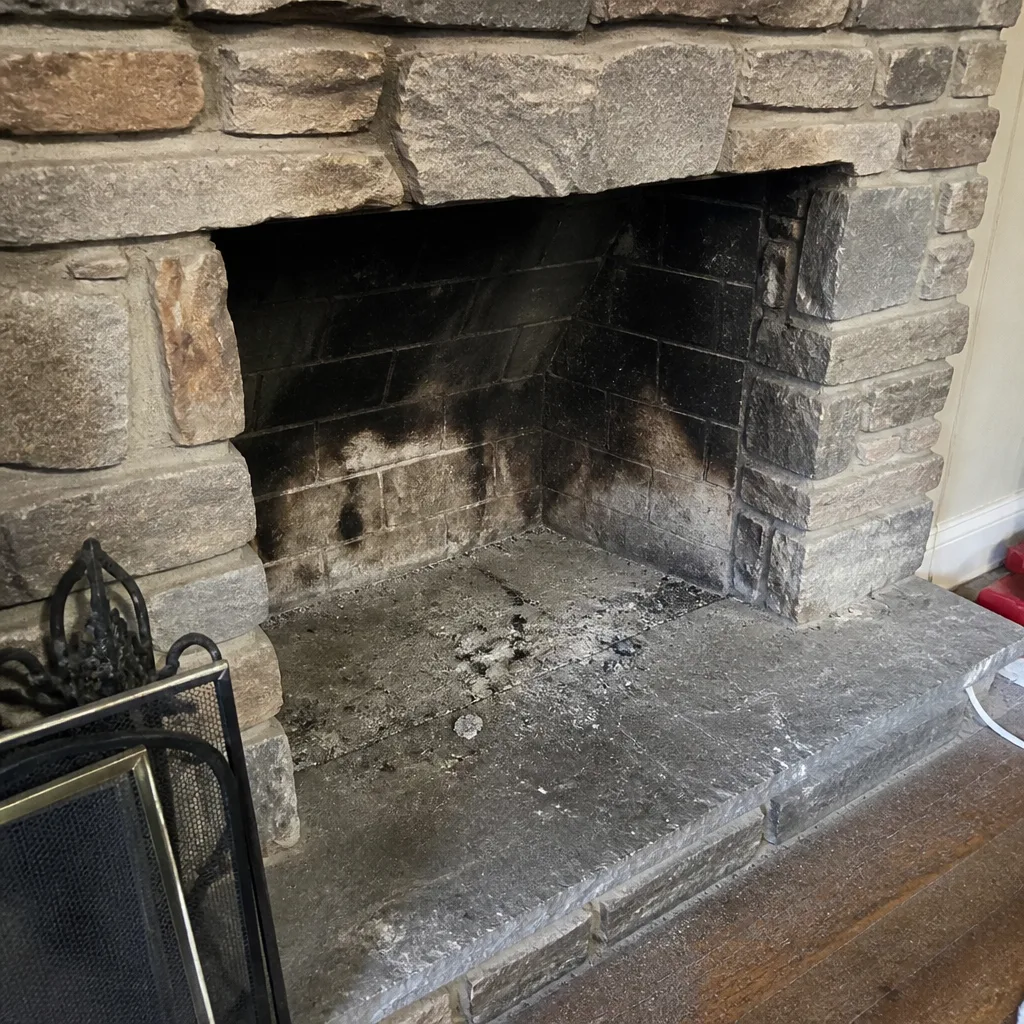 Before
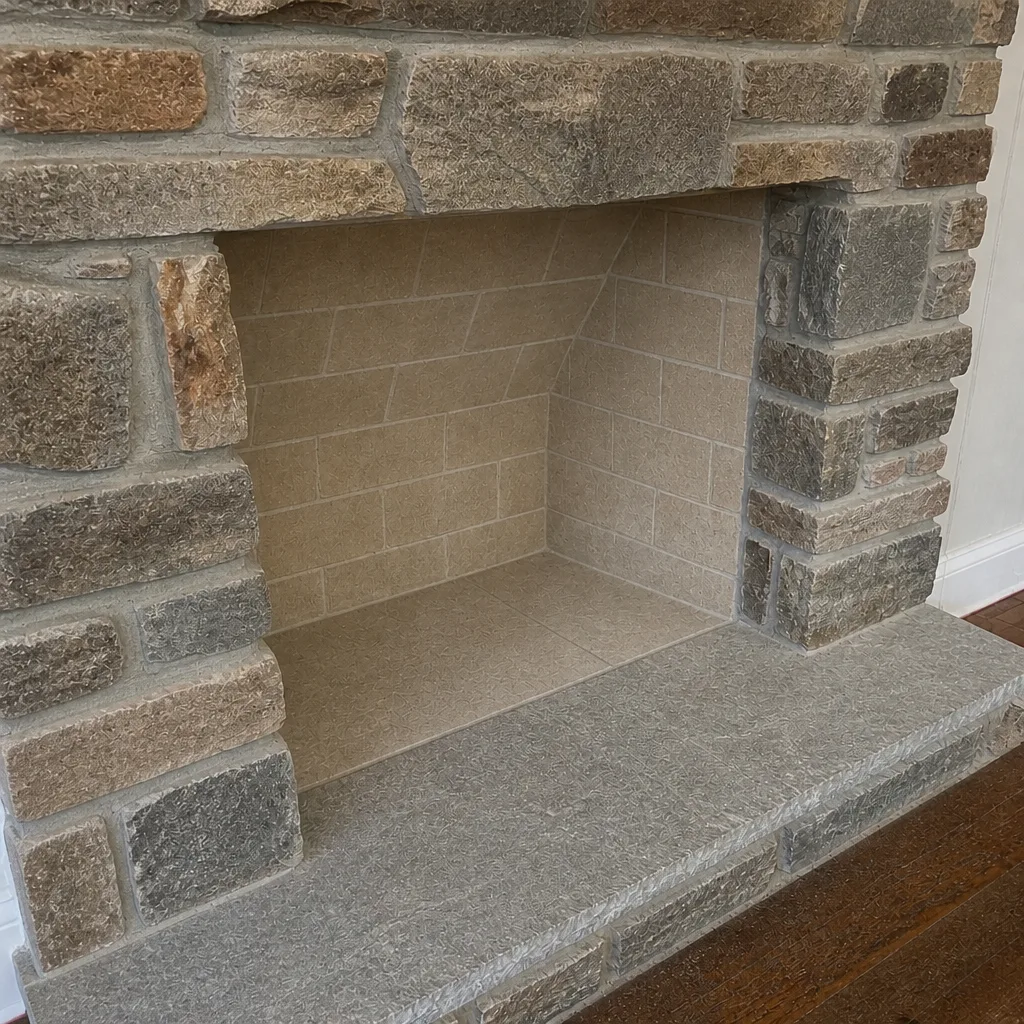 After
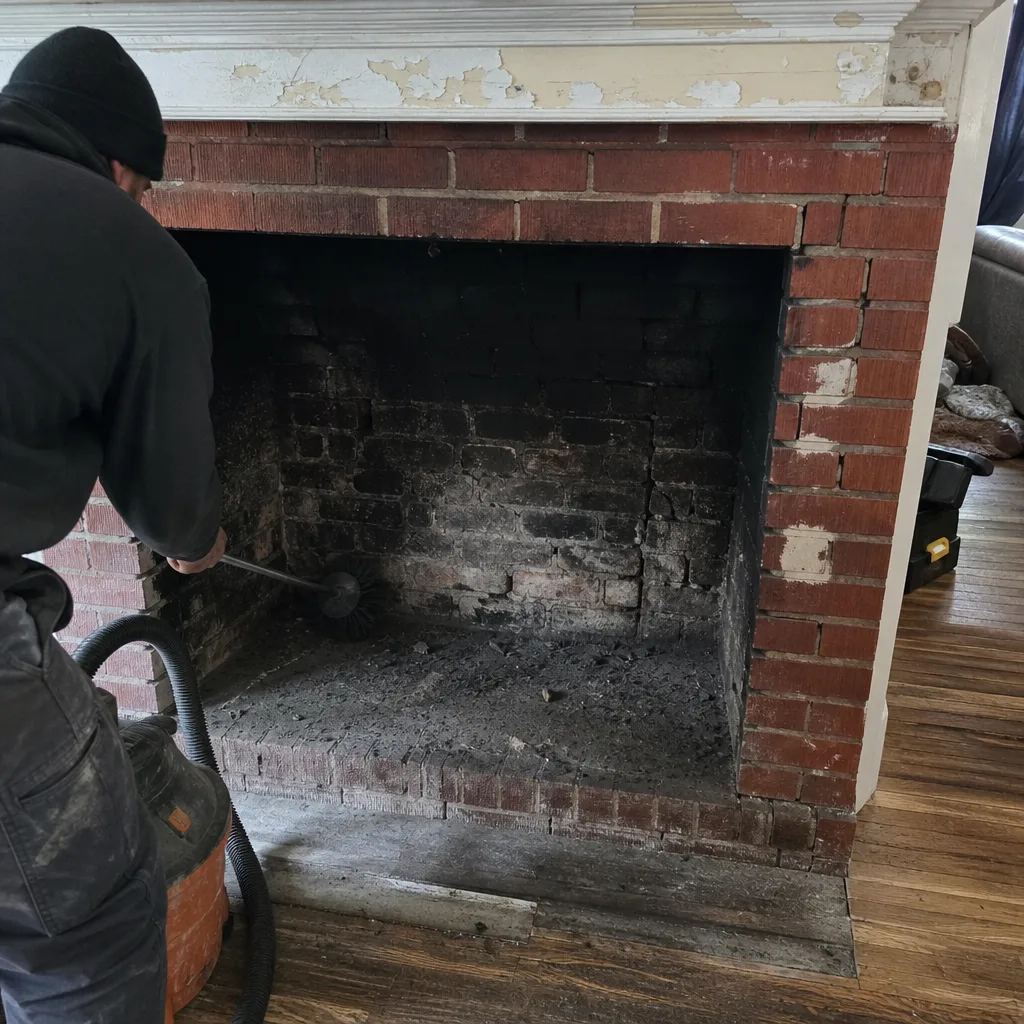 Before
 After
 Before
 After
When to Call a Professional
Call a professional whenever the question is legal, structural, or technical. If you’re not sure whether a chimney job needs a permit in NYC, that’s a contractor question, not a homeowner question. If your cleaning report mentions a cracked liner, a displaced brick, a failing crown, or stage-three creosote, that’s a scope-of-repair question that needs a licensed assessment, not a brush. If your insurer has asked for documentation after a claim, or the buyer’s inspector has flagged the chimney during a sale, get a Level 2 inspection with a written report and images on file. Never attempt a liner repair or a crown rebuild yourself; those are structural work with a fire-safety footprint.
Chimney Sweep Canarsie offers free estimates in Canarsie. Call (833) 508-9953. We answer 24/7. Fast dispatch from 7am to 7pm, Sunday through Friday. Our technicians have up to 8 years of experience, and every estimate is a written scope of work with the permit implications spelled out.
Frequently Asked Questions
No. Routine chimney cleaning in Canarsie is classified as maintenance under the NYC Building Code and requires no DOB permit. Any qualified sweep can perform it. The permit question only comes up when the visit turns into structural repair or a liner replacement, which are alteration work.
A minor work filing is used for smaller-scope alteration work and is often filed by a Licensed Master Plumber. An Alt-2 is a full Alteration 2 application used for larger-scope changes affecting structural or fire-safety systems, typically filed by a DOB-registered general contractor. The scope of the chimney repair determines which applies, and your contractor makes that call.
HeatShield resurfacing is a cast-in-place lining system, which changes the flue interior, so it usually falls into the alteration category and requires a filing assessment. It’s not the same as brushing out creosote. The product is a professional-grade solution to a damaged flue interior, and it’s installed to restore a code-compliant surface – which means the paperwork that follows matches the standard it’s built to.
No. A full liner replacement is alteration work under the NYC Building Code, and permit filings for it need a DOB-registered contractor of record. A sweep who offers to install a liner with no filing documentation is offering work that skirts a legal requirement, and that gap becomes your problem later if you sell or file a claim.
Ask for a written inspection report with photo or video evidence of every finding, the NFPA 211 inspection level performed, the recommended scope of work, and a clear statement of whether the recommended work is maintenance (no permit) or alteration (permit required). Keep the report. You’ll need it for insurance and for any future home sale.
Local Law 11 applies to buildings taller than six stories. The typical two- and three-story Canarsie rowhouse or semi-detached home is outside the FISP cycle. If you own a unit in a taller building along a corridor like Rockaway Parkway or Flatlands Avenue, the chimney stack may be treated as an appurtenance on the facade, and its condition falls inside the LL11 inspection cycle.
The Bottom Line
Chimney cleaning doesn’t need a permit in Canarsie. Chimney work that alters the structure, changes a liner, or rebuilds the stack almost always does. Know which category you’re in before a brush touches your flue. Ask for a written inspection report with images, ask whether the work in front of you is maintenance or alteration, and keep the paperwork. The paper trail is what makes a repair an improvement instead of a defect. If you’d rather the same company that finds the problem also handles the repair and the filing question that follows, that’s how we work. From the firebox to the crown, one company, one call. Chimney problems don’t get cheaper when you wait, and neither does the paperwork.
Written by the team at Chimney Sweep Canarsie.