
Last updated November 22, 2026
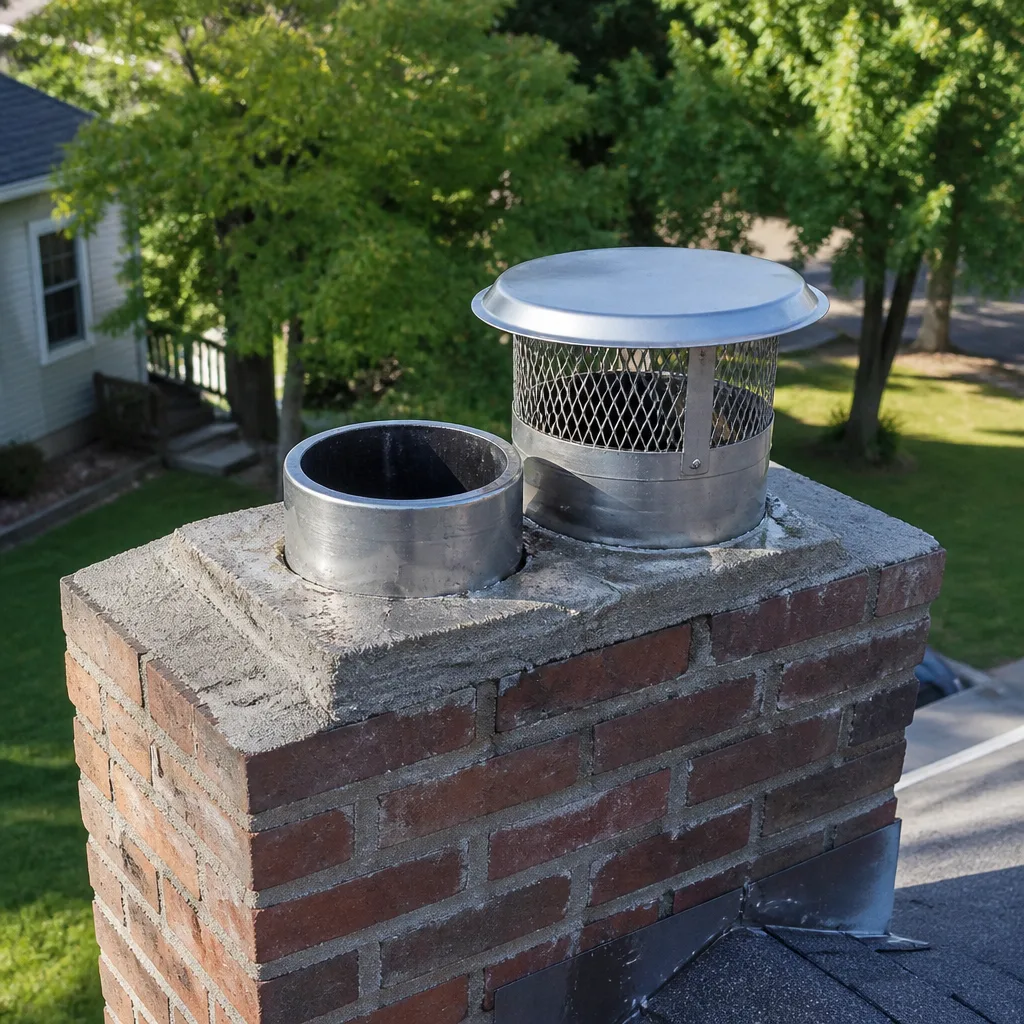 Sweep & inspection
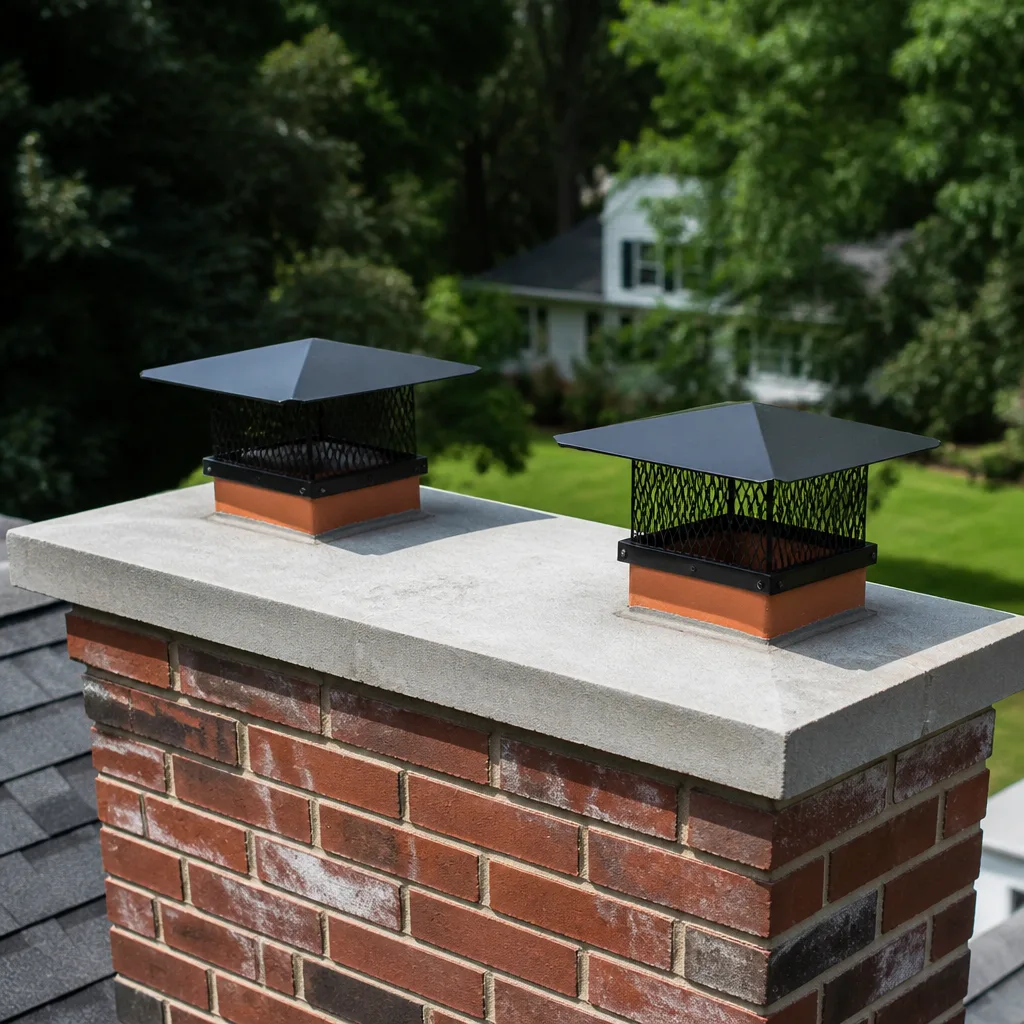 Caps & crowns
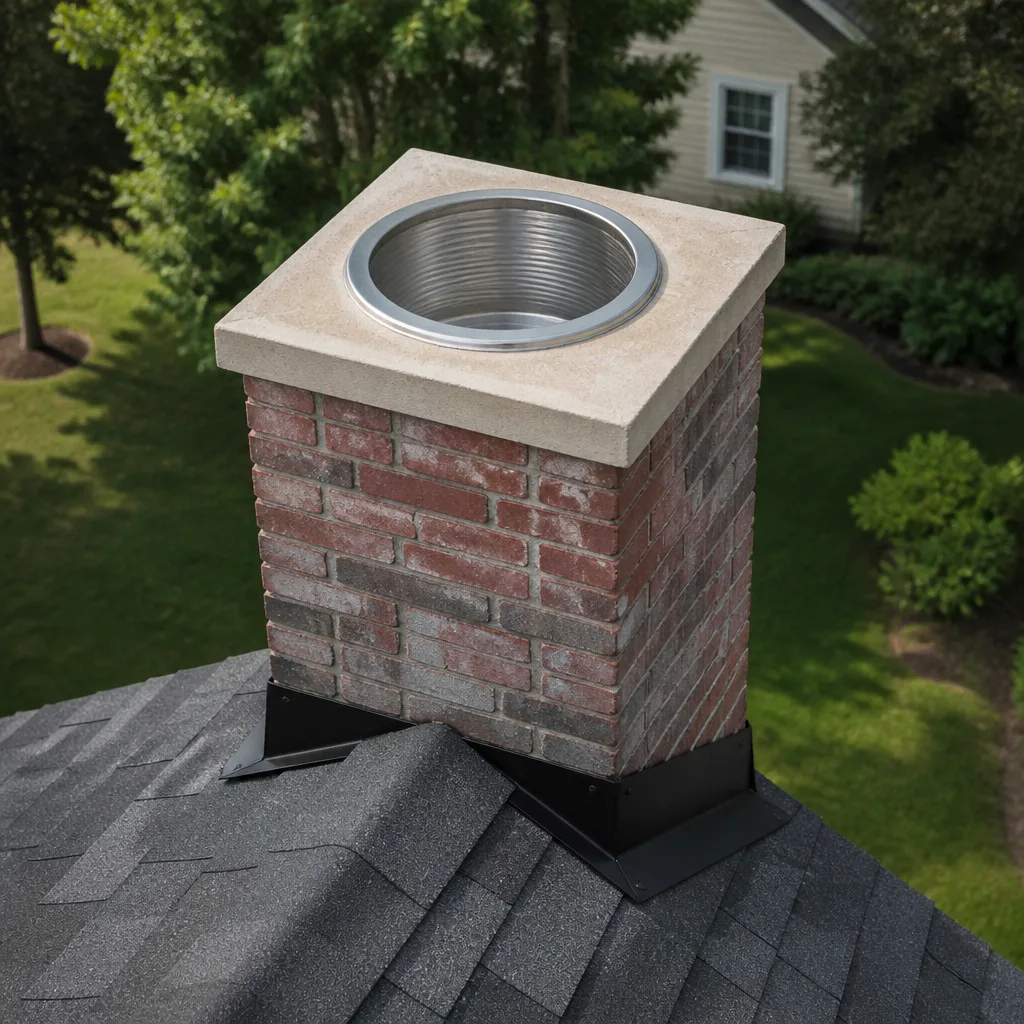 Flue relining
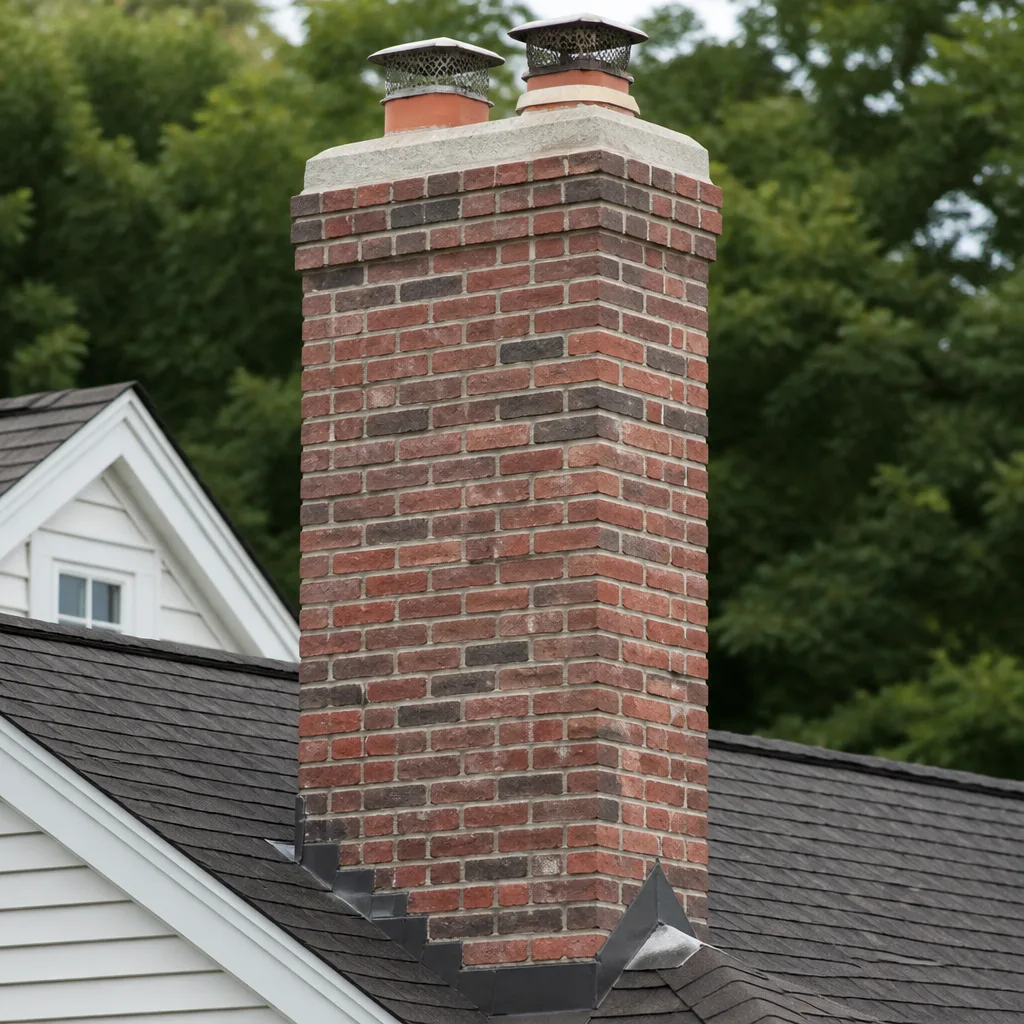 Masonry repair
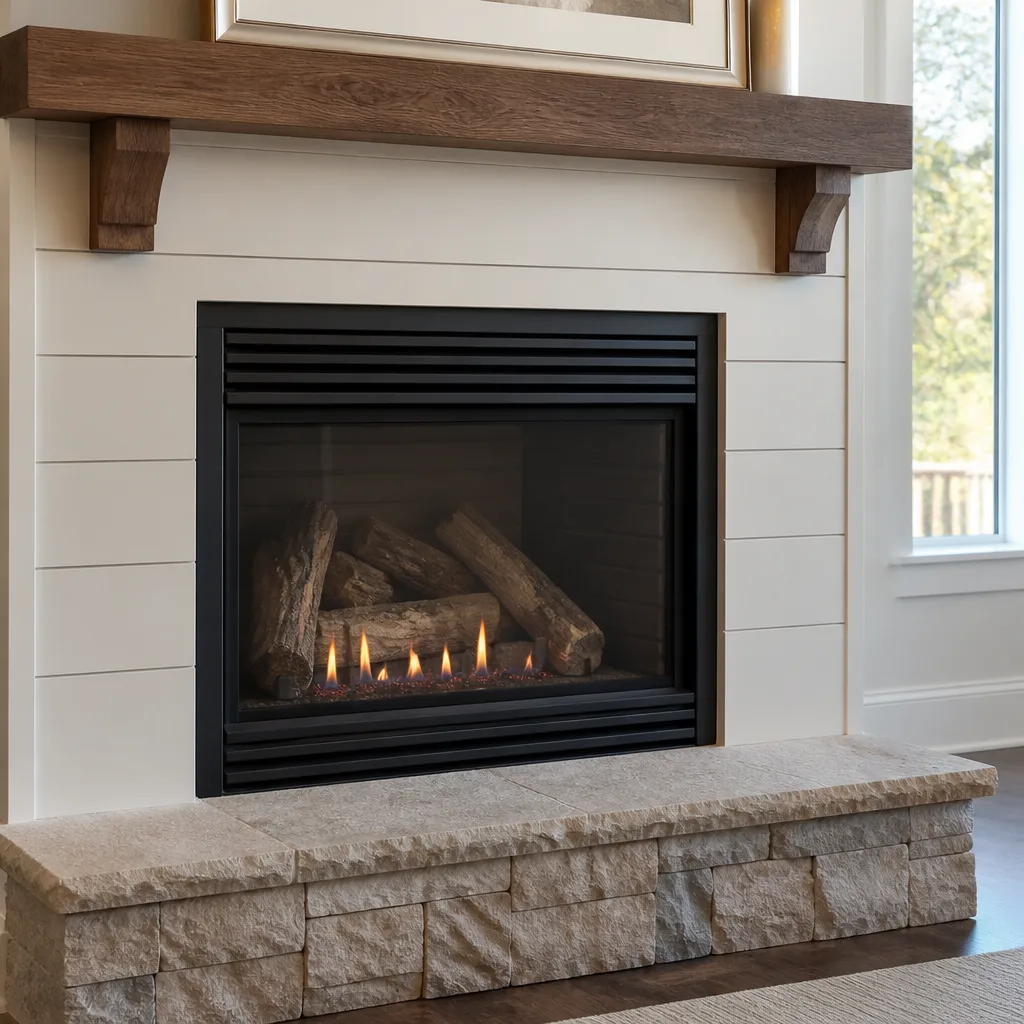 Gas fireplace service
Level 1 sweep and inspection to the NFPA 211 annual standard - flue, crown, cap, and flashing checked and photographed
Chimney sweep logs do not sweep chimneys. They loosen some creosote - which then falls where a brush and vacuum still have to collect it.
Chimney Cleaning Warning Signs: A Canarsie Homeowner’s Reference Guide
Most people picture a chimney problem as something loud and obvious: roaring flames, a smoke alarm, black soot pouring into the living room. The truth is that the warning signs that matter most arrive quietly, months before anything dramatic happens. That pale white stain on the brick, the faint smell near the fireplace on a humid afternoon, the soft popping sound a fire makes when you add a fresh log. These are the cues that tell you something is changing inside the flue before that change becomes costly or dangerous. In this guide, we walk you through the subtle and the serious signs alike, decode what each one points to underneath the surface, and sort them into two buckets: the ones that mean stop using the fireplace now, and the ones that mean book a chimney sweep in the next month. If you burn wood in Canarsie, this is the reference we’d want every homeowner to keep.
Quick Answer
The most actionable chimney warning signs are early, quiet ones: white staining called efflorescence on exterior brick, stair-step mortar cracks, a fractured crown, rust on the cap, smoke rolling out at ignition instead of rising up the flue, a musty or acrid smell, and popping sounds during a burn. Signs that demand you stop using the fireplace immediately are flames or smoke escaping into the room, a loud cracking or rumbling followed by chimney damage, or carbon monoxide detector alarms. Signs that allow continued careful use with a service call scheduled within thirty days include minor exterior staining, a slightly delayed draft, and popping creosote. A Chimney Sweep Canarsie inspection separates the two categories with camera evidence before you spend a dime on repairs.
Styles & brands we work with
- Sweep & inspection
- Caps & crowns
- Flue relining
- Masonry repair
- Gas fireplace service
Table of Contents
- Exterior Warning Signs: What the Brick and Crown Are Telling You
- Interior Fireplace Cues Most Homeowners Miss
- Odor Diagnostics: Three Smells, Three Different Problems
- Sounds: Popping, Dripping, and Wind Noise
- Signs That Mean Stop Using the Fireplace Now
- Signs That Allow Careful Use With a Call Within 30 Days
- Why Canarsie’s Burn Season Changes What You Watch For
- What a Professional Inspection Actually Checks
Exterior Warning Signs: What the Brick and Crown Are Telling You
A white stain on the chimney exterior isn’t cosmetic. That powdery, chalky deposit is efflorescence, and it means water is moving through the masonry under pressure and leaving mineral salts behind as it dries. In our experience, efflorescence on a chimney is usually the visible symptom of a deeper issue, and often the flue liner is already compromised or water has been getting into the chimney structure for more than a season. It’s one of the most important early signals, and one of the easiest to misread as “just a stain.”
Water and masonry are incompatible over the long run. When a chimney isn’t protected, water finds its way in through four main routes, and they’re worth understanding separately because each one has its own fix:
- Efflorescence on brick: Salt deposits rising to the surface. Signals chronic moisture inside the masonry, most often from a failed crown or bad flashing.
- Stair-step mortar cracking: Mortar joints separating in a diagonal, staircase-like pattern across the brick face. This is how masonry relieves stress and it points to movement or settlement, not just surface wear.
- Crown fractures: The concrete slab at the very top of the chimney cracking or pulling away from the flue. A fractured crown is the number one entry point for water running straight down into the chimney.
- Rusted cap or flashing: Orange-brown streaks or flaking around the chimney base where it meets the roof. Rusted flashing or a missing cap lets rain and melting snow drain into the top of the chimney unchecked.
Canarsie homes are exposed to plenty of weather across the year: wet spells, snowmelt, and temperature swings that freeze water inside brick pores overnight. That cycle is exactly what turns a small crack into an open door. If you notice any of the four signs above, the next step is an inspection, not a coat of paint. Our chimney cap & crown work starts by finding the actual entry point so the fix addresses the source.
Interior Fireplace Cues Most Homeowners Miss
The interior of the fireplace tells a story that the exterior often hides. You don’t need special tools to notice most of these cues; you just need to know what to look for the next time you build a fire. In our experience, three interior cues come up again and again, and each one points to a different root cause.
1. Smoke rollout at ignition. If a little smoke spills into the room when you first light a fire and then clears, that can be normal on a cold, still morning. If it keeps rolling out until the fire is fully established, the draft is struggling. Likely causes: a partially blocked flue, a chimney that’s too short for the house, a flue that’s cold and needs a brief warm-up, or negative pressure in the room. Persistent roll-out after the fire is going is not normal.
2. Delayed draft establishment. A healthy flue establishes draft in seconds. If yours takes thirty seconds or more, or the fire sits sullen and won’t catch, the flue is constricted somewhere. Soot, creosote, a bird’s nest, or a partially closed damper all produce the same symptom: weak pull, slow catch, and more smoke than you’d expect.
3. Black residue below the damper line. Soot on the firebox walls above the damper is expected. Black residue spreading below the damper line, on the firebox floor, hearth, or the brick around the opening, means draft is reversing at least occasionally and pushing combustion gases into the room instead of up the flue. That’s a sign to have the system examined before the next burn.
Canarsie houses range widely in age and construction, and a chimney that was sized for one heating appliance sometimes ends up serving a different one. Draft problems often trace back to a mismatch there. A chimney repair visit that includes a camera inspection will show you exactly what the flue looks like from the inside.
Odor Diagnostics: Three Smells, Three Different Problems
Smell is the most underrated diagnostic tool a homeowner has. Different problems produce distinctly different smells, and the nose can often separate them faster than the eye. If you can name what you’re smelling, you’ve already narrowed down the cause.
- Acrid, campfire smell (creosote): Sharp, smoky, and reminiscent of a cold firepit the day after. This is stage 2 or 3 creosote sitting inside the flue. It worsens on warm, humid days when the chimney has no draft to pull it up and out. It’s telling you it’s time for a sweep.
- Musty, damp earth smell (water intrusion): A basement-like, “old attic” smell that doesn’t improve with airing out. Water is inside the chimney structure and mold or mildew is growing in the masonry or the smoke chamber. This pairs with exterior efflorescence and a cracked crown.
- Sulfur, exhaust, or a metallic tang (combustion backdraft): The smell of your furnace or water heater exhaust coming into the house instead of going up the chimney. This is a serious sign because it can carry carbon monoxide. Treat it as urgent.
In our experience, homeowners in Canarsie often notice the campfire smell first, on a warm day in the shoulder season, because that’s when a cold flue can’t pull the creosote smell up and out. The musty smell tends to show up after a stretch of wet weather. The sulfur or exhaust smell is the one that should prompt an immediate call to a professional, and if your carbon monoxide alarm sounds, leave the house and call the fire department before anything else.
Understanding what each smell points to takes years of dealing with these systems. Our technicians have up to 8 years of experience reading these signals in homes across Canarsie, and it’s the reason we always start with evidence before recommending work.
Sounds: Popping, Dripping, and Wind Noise
Chimneys are not supposed to be loud. A wood fire makes its own gentle crackle, but there are three specific sounds that mean something is off, and each points to a different cause.
- Popping during a burn. A fire that pops and spits more than usual, especially after you add a fresh log, often means you’re burning through stage 2 creosote. Creosote is the residue deposited on the flue walls by incomplete combustion, and stage 2 creosote can ignite if it accumulates further. Popping that occurs repeatedly during a single burn is a cue to book a sweep before your next fire.
- Dripping inside a closed flue. If you hear water dripping when the fireplace is closed and no fire is burning, you have active water infiltration. It’s coming from above, and it’s almost always the crown, the flashing, or a missing cap. Left alone, that water damages the smoke chamber and the liner from the inside.
- Wind noise or whistling from the fireplace. A fireplace that howls on windy days, or that puffs smoke back into the room when the wind picks up, usually has a missing or damaged chimney cap. A proper cap is designed to let exhaust out while keeping wind, rain, and animals from entering. Missing caps are one of the most common issues we see on Canarsie chimneys.
The good news is that each of these sounds has a straightforward service response: a sweep, cap work, or crown repair. When we source caps and covers, we use chimney cap & crown products from Gelco and Olympia Chimney components, because these are brands specified by chimney professionals rather than consumer retail substitutes. You should always know exactly what was installed on your home, and we name it.
Signs That Mean Stop Using the Fireplace Now
Some warning signs are urgent. If you notice any of the following, stop burning in that fireplace immediately and call a professional for an inspection. Continuing to burn can escalate a manageable problem into a chimney fire or a carbon monoxide event.
- Flames or smoke coming out of the firebox into the room. This means the flue is blocked or the chimney structure has been compromised. Do not burn again until it’s cleared.
- A loud cracking or rumbling from inside the chimney. A chimney fire is a distinct event. If you hear it, close the firebox doors, get everyone outside, and call the fire department. Once it’s out, the chimney needs a full inspection before it’s used again.
- A carbon monoxide detector sounding. Evacuate the house and treat it as a life-safety emergency. Do not assume it’s a false alarm.
- Visible creosote that looks glassy or glazed. Stage 3 creosote is the most flammable buildup and cannot be brushed off easily. Until a sweep removes it, every fire you light carries risk.
- Water actively running into the firebox. Active infiltration means the crown or flashing has failed. It needs to be repaired before the next burn, and probably before the next rain.
- A sudden or persistent sulfur/exhaust smell through the firebox. This is combustion backdraft and it could be carrying carbon monoxide into the living space.
When in doubt, err on the side of not burning. There is no fire that’s worth the risk of a chimney fire in your home. Our team can look at the whole system from firebox to crown in a single visit, and we don’t recommend anything that isn’t backed by what the camera shows.
Signs That Allow Careful Use With a Call Within 30 Days
Other signs are early warnings, not emergencies. These allow continued, careful burning while you schedule service in the next month. The key word is careful: smaller fires, well-seasoned wood, and a clear eye on how the system behaves.
- Minor efflorescence on the exterior. A little whitish staining is water making its way out. It needs a real diagnosis, but it doesn’t require stopping use.
- Popping during burns. Book a sweep within the next thirty days. Avoid aggressive fires that drive high heat into the flue in the meantime.
- A slightly delayed draft on cold mornings only. Often just a cold-flue issue. If it persists into a warm fire, escalate it to the urgent list.
- A musty smell with no active dripping. Investigate within a month; it’s usually a crown issue that can be fixed before it grows.
- A creosote smell between fires. The flue is signaling that it needs a sweep. Book it, don’t ignore it.
- Wind-related backdraft. A missing or damaged cap. Wind backdraft into a room is annoying and it can push smoke where you don’t want it, but a cap installed within a month solves it.
If you’re not sure which bucket your sign belongs to, describe it to a professional before your next fire. It’s the safest way to sort out whether you can keep burning. Call (833) 508-9953. We answer 24/7. Fast dispatch from 7am to 7pm, Sunday through Friday.
Why Canarsie’s Burn Season Changes What You Watch For
Canarsie runs on a seasonal burn rhythm. Most homes here light the fireplace from late fall through early spring, then leave it dormant through the warm months. That rhythm changes exactly which signs matter and when.
In the shoulder seasons, when the fireplace sits idle but the weather is still humid, the smell cues dominate. A cold flue has no draft, so creosote smell and musty odor can drift into the room even without a fire. That’s the time most homeowners notice something’s off. When heating season begins again, the draft and smoke cues take over: smoke roll-out at ignition, delayed draft, black residue below the damper. And after any wet stretch in Canarsie, the exterior cues rise to the top, because that’s when water that has been sitting inside the masonry shows itself at the surface.
Here’s the practical rule: whatever the season, the best time to schedule a sweep and inspection is before the first fire of the burn season. Problems don’t get cheaper when they wait, and the last thing anyone wants is a chimney fire in the middle of a cold snap. A pre-season sweep plus an inspection gives you a clean flue, a professional look at the crown and cap, and the confidence to use the fireplace the rest of the season without worry.
If you’re in Canarsie and haven’t had your chimney serviced since you moved into your home, the pre-season sweep is the single most useful thing you can do. Book it early in the fall, before everyone else in the neighborhood has the same idea.
What a Professional Inspection Actually Checks
A proper inspection is not a visual glance with a flashlight from the firebox. It’s a structured walk around the entire chimney system, and it’s the only way to know whether a warning sign is a cosmetic issue or a structural one. Here’s what we look at, from the firebox up to the crown:
- The firebox and smoke chamber. Cracks in the firebox brick, missing mortar, and the condition of the smoke chamber. These are the first places that reveal overheating or reverse draft.
- The damper. Does it open and close properly, and does it seal? A partially stuck damper is one of the most common causes of smoke roll-out.
- The flue liner, viewed by camera. The camera goes down the flue, and we take pictures. You see what we see. Cracks, gaps, spalling, glazed creosote, and misaligned sections all show clearly on camera.
- The chimney cap. Is it present, intact, and sized correctly? A damaged cap lets water and animals in.
- The crown. Is the crown intact, sealed to the flue, and sloped to shed water? A cracked crown is the most common water entry point.
- Flashing. Where the chimney meets the roof, is the flashing sound and properly lapped? Rusted or lifting flashing lets water in at the roofline.
- The masonry. Efflorescence, stair-step mortar cracks, and any sign of spalled brick.
We work with HeatShield, the professional flue resurfacing system, for refinishing a damaged liner without a full tear-out, and DuraFlex flexible liner systems when replacement is the right answer. We name what we install so you know exactly what’s protecting your home. The reading of the inspection is what matters most, and that’s where technician experience and a camera you can see for yourself matter more than a checklist.
Common Mistakes to Avoid
- Painting over efflorescence. Paint traps moisture inside the brick and accelerates spalling. Fix the water source instead of hiding the symptom.
- Treating a creosote smell as a “seasoned wood” problem. If the smell is acrid and campfire-like, the flue has buildup, and switching wood won’t fix it.
- Assuming a missing cap is no big deal. A cap is the simplest protection a Canarsie chimney has against rain, snow, and animals. Without one, the crown and liner take damage on every storm.
- Ignoring a small crack in the crown. A crack lets water straight into the chimney structure. What looks like a hairline today becomes a full crown job after a winter of freezing and thawing.
- Burning without a pre-season sweep. A clean flue is the cheapest thing you’ll do all year and the most effective way to reduce chimney fire risk.
- Calling a general handyman when the flue needs work. The flue is a system, and resurfacing or relining it takes professional-grade materials and knows how to install them. A handyman with a brush is not a chimney specialist.
- Waiting for flames before calling. By the time a chimney problem is visible in a fire, the easy fix window has usually closed.
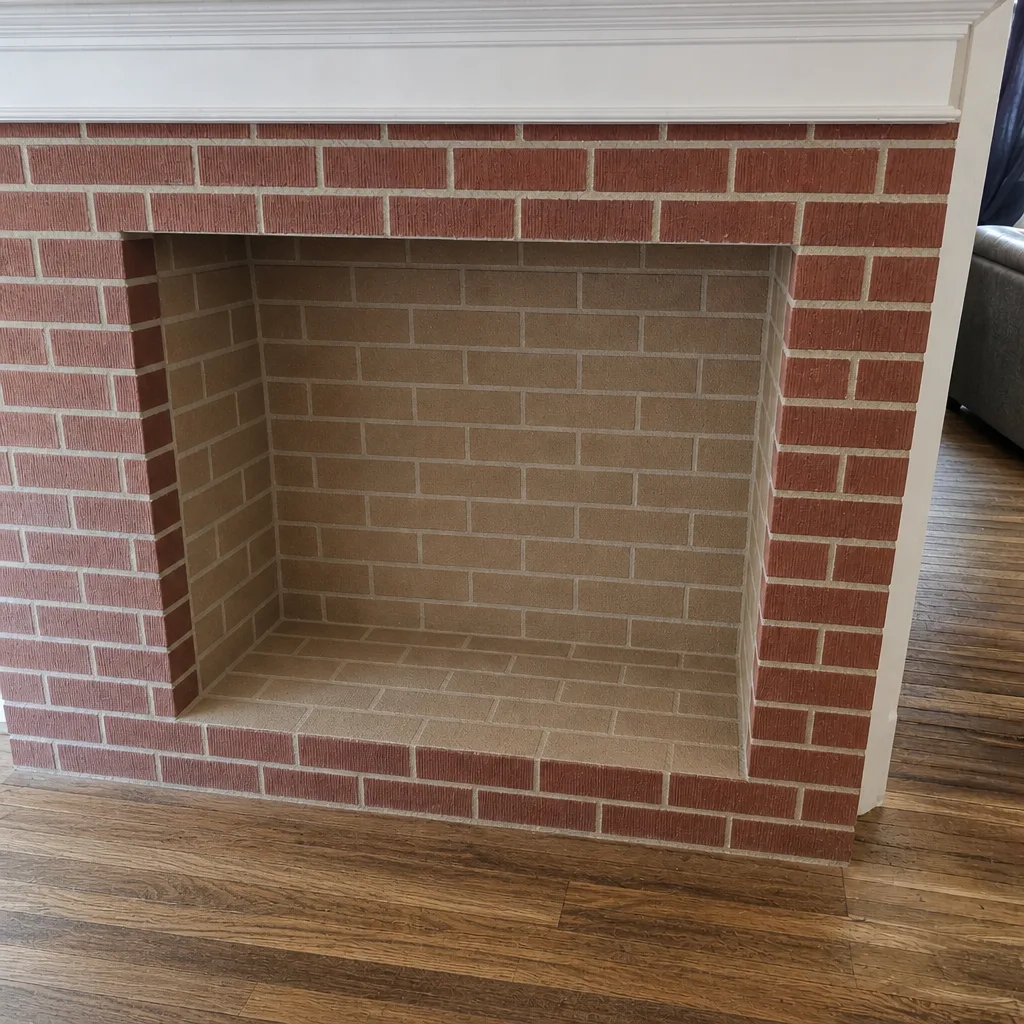
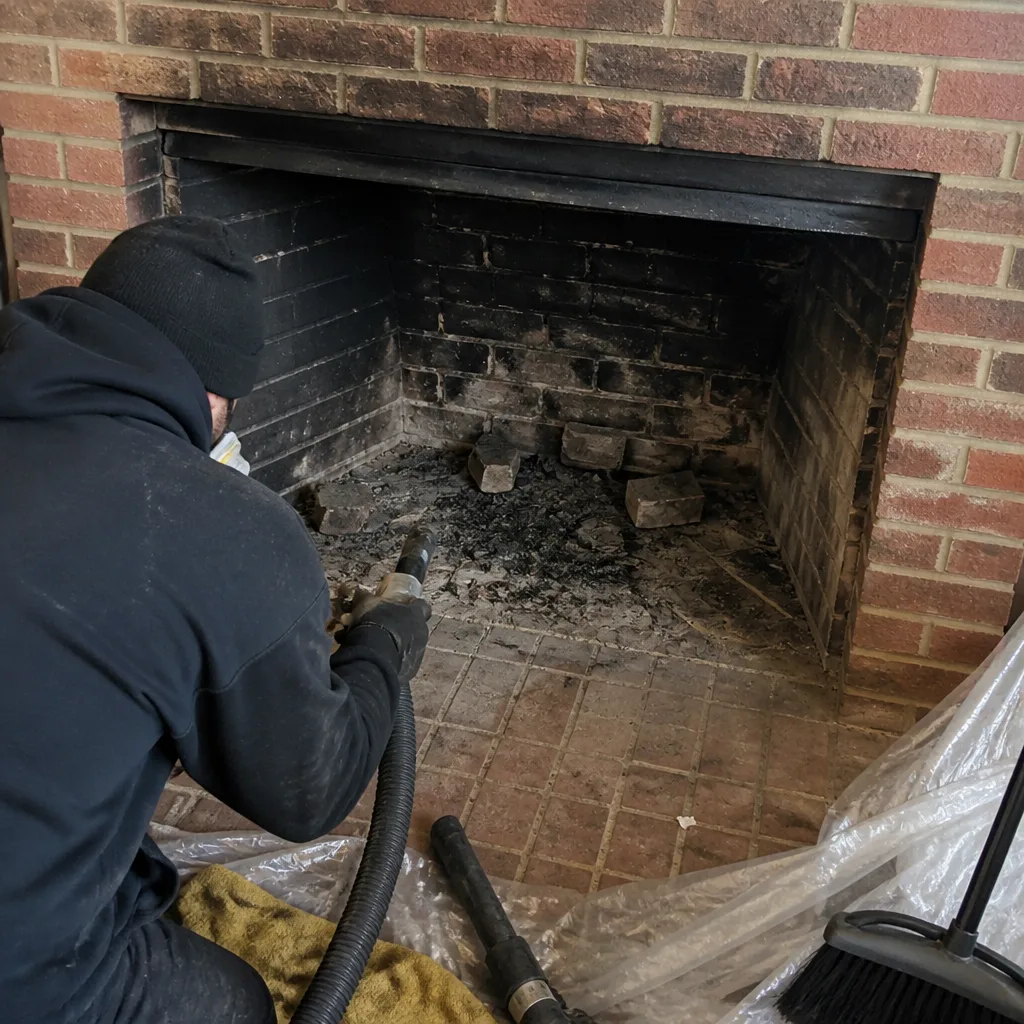
See the difference
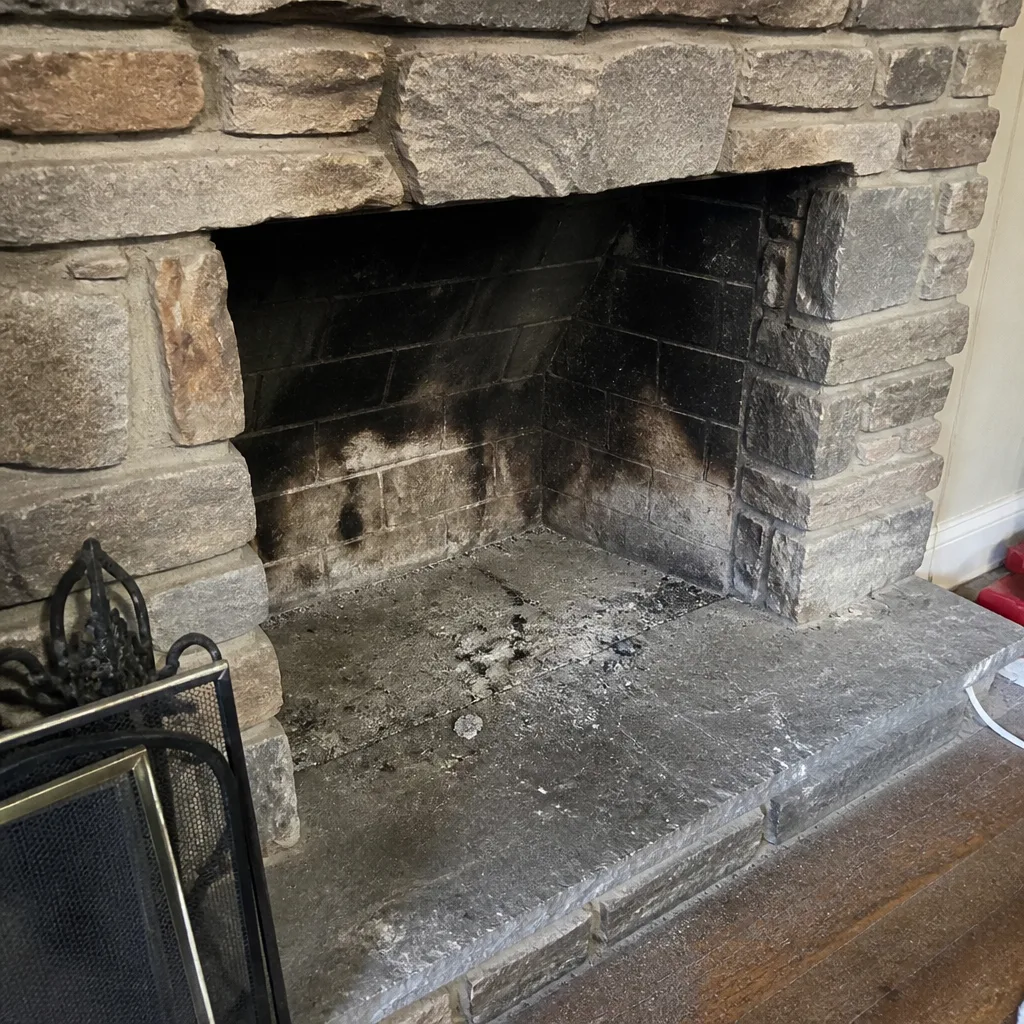 Before
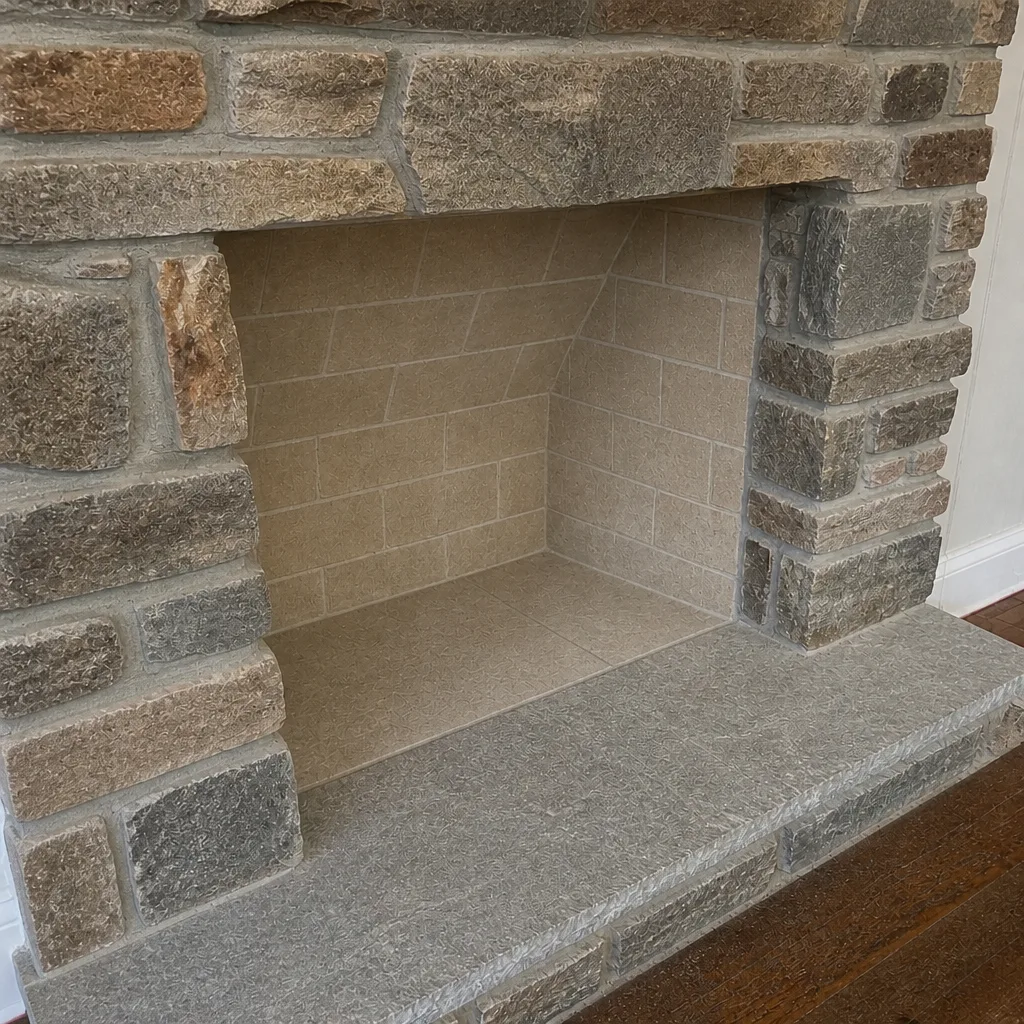 After
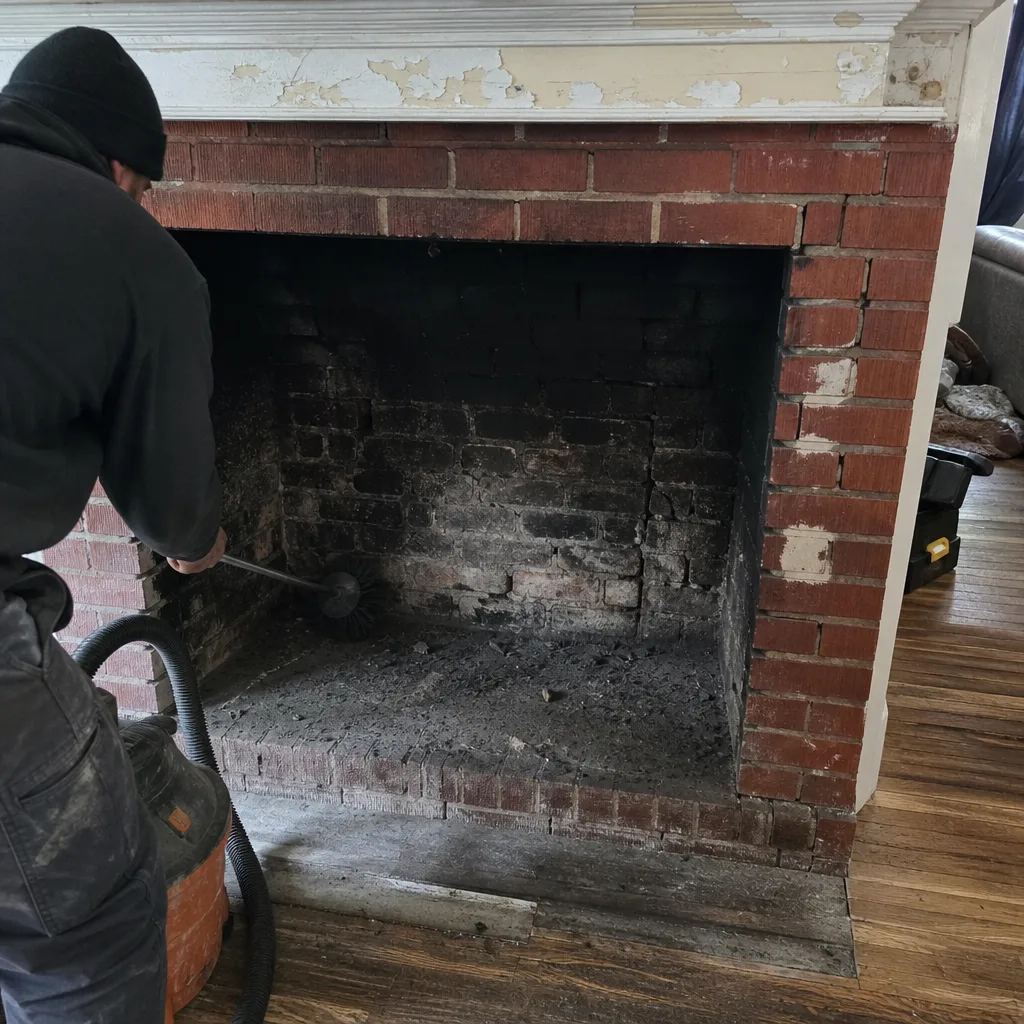 Before
 After
 Before
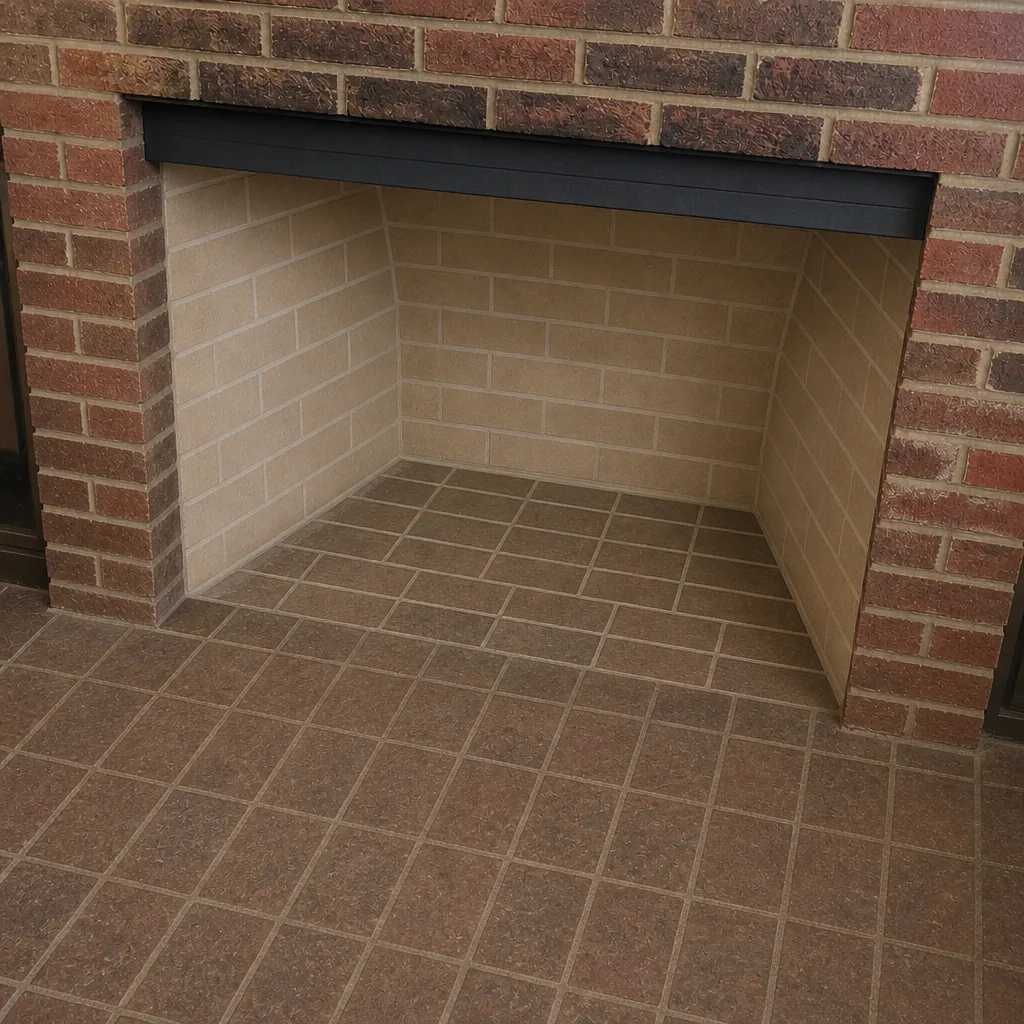 After
When to Call a Professional
Call a professional if you notice any urgent sign from the list above, or if you’re simply not sure what a symptom means and you want certainty before the next fire. Call if you’ve moved into a Canarsie home and don’t have a record of the last sweep. Call if your fireplace hasn’t been cleaned since before you started burning regularly. Call if your exterior brick is showing white staining or stair-step cracks, or if your crown, cap, or flashing looks like it’s seen better days. In short, call whenever the chimney’s silent but visible signs suggest something is changing inside the flue.
Chimney Sweep Canarsie offers free estimates in Canarsie. We handle sweeping, inspection, cap and crown work, chimney repair, and fireplace repair, so the same team can find the problem and fix it. Call (833) 508-9953. We answer 24/7. Fast dispatch from 7am to 7pm, Sunday through Friday.
Frequently Asked Questions
The earliest warning signs are usually subtle: white efflorescence on exterior brick, stair-step mortar cracks, a slightly delayed draft on cold mornings, a faint acrid or musty smell, and popping during a burn. All of these signal something that’s developing but not yet dangerous. A camera inspection confirms what’s actually happening inside the flue. Call (833) 508-9953 for an exact quote; estimates are free.
A chimney sweep in Canarsie is priced per job by a written estimate, and the estimate is free. The final price depends on the flue condition, the level of creosote buildup, and whether an inspection is combined with the sweep. We give you the price in writing before any work begins. Call (833) 508-9953 for an exact quote; estimates are free.
You only need a liner if the camera shows cracks, gaps, or spalling that compromise the flue. We show you the photo evidence so you can see the condition yourself, and we only recommend a liner or HeatShield resurfacing when the flue condition calls for it. If the flue is intact, there’s nothing to sell. Call (833) 508-9953 for an exact quote; estimates are free.
That acrid, smoky smell is creosote inside the flue, and it becomes most noticeable on warm, humid days when the chimney has no draft. It’s telling you the flue needs a sweep. A musty, damp-earth smell is a different problem: water intrusion, usually from a crown or flashing failure. Both are worth a call. Call (833) 508-9953 for an exact quote; estimates are free.
Once a year for a household that burns a regular amount of wood is the standard schedule, and it matches the seasonal burn pattern in Canarsie well. Schedule the sweep before the burn season starts so the flue is clean and inspected before the first fire. Homes that burn heavily or burn green wood may need more attention. Call (833) 508-9953 for an exact quote; estimates are free.
Skipping a sweep lets creosote accumulate, and creosote is the fuel that chimney fires burn. Stage 2 buildup can ignite, and stage 3 buildup is even harder to remove once it’s glazed. Skipping a sweep also means water damage at the crown or cap has another season to spread through the masonry. Chimney problems don’t get cheaper when they wait. Call (833) 508-9953 for an exact quote; estimates are free.
The Bottom Line
The most important chimney warning signs are the quiet ones: a white stain that means water is moving through brick, a stair-step crack that signals masonry movement, a smoke roll-out that points to a blocked or undersized flue, a musty smell that means a failed crown, a popping sound that means creosote. Learn to listen to these, and you’ll catch the big problems while they’re still small. Sort every sign into one of two buckets: stop using the fireplace now (flames in the room, cracking or rumbling, a carbon monoxide alarm, active water in the firebox), or schedule a service call within thirty days (minor efflorescence, popping, a musty smell, a missing cap). Nothing in this guide replaces a professional inspection, but knowing what to watch for puts you in control before a serious problem develops in your Canarsie home.
If you’ve spotted any of these signs, or if you want certainty before your next burn, we’ve got the services to help. The same team that inspects the flue can sweep it, protect it with cap and crown work, and repair the chimney structure, so there’s no finger-pointing between contractors. We name what we install, we show you the camera evidence, and we tell you plainly when work can safely wait. Call (833) 508-9953. We answer 24/7. Fast dispatch from 7am to 7pm, Sunday through Friday. Estimates are free.
Written by the team at Chimney Sweep Canarsie.