
Last updated November 22, 2026
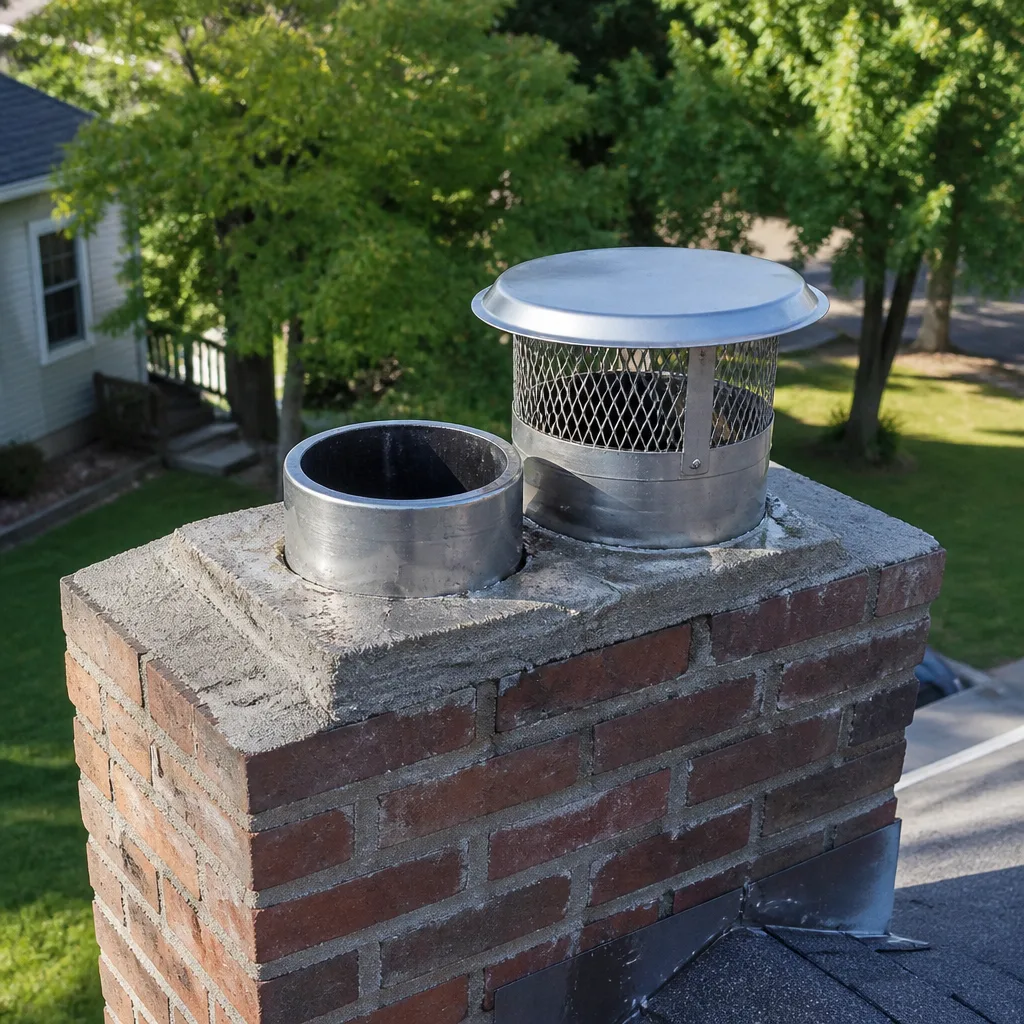 Sweep & inspection
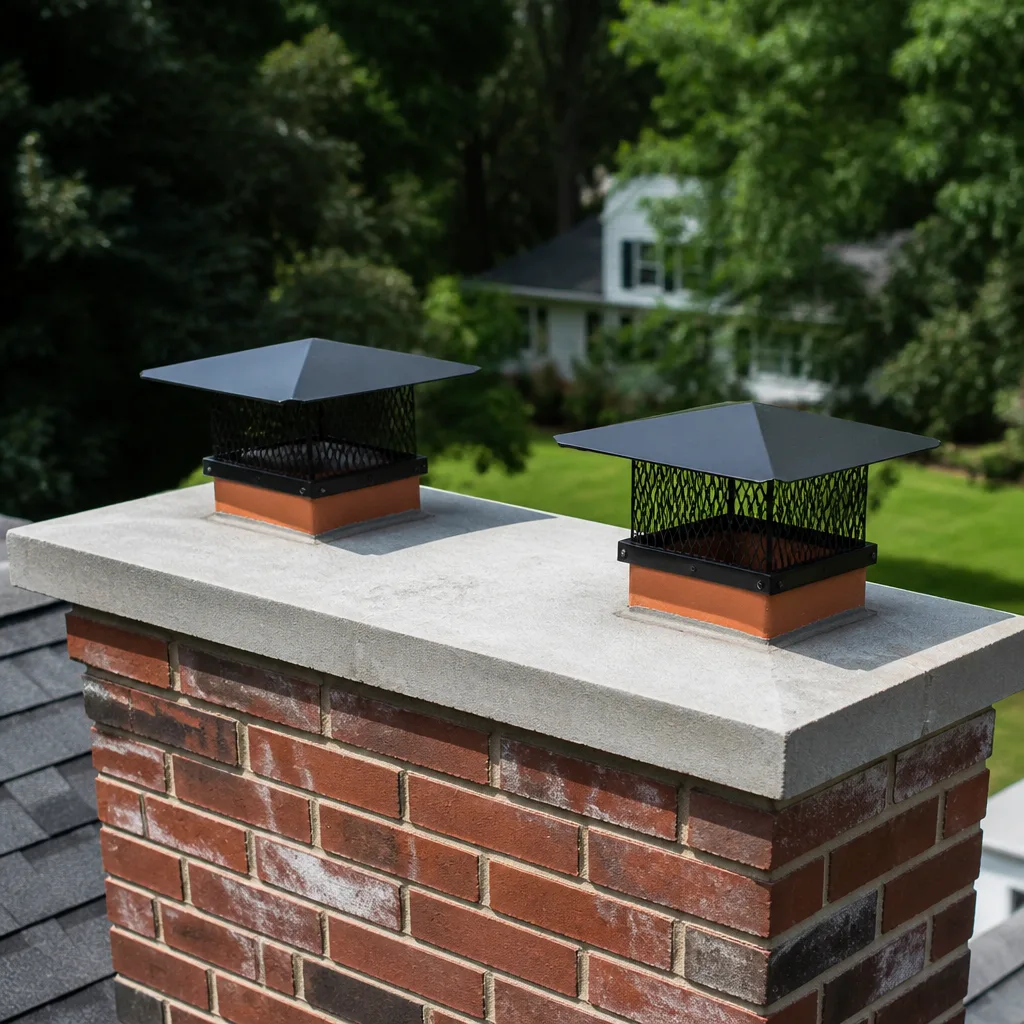 Caps & crowns
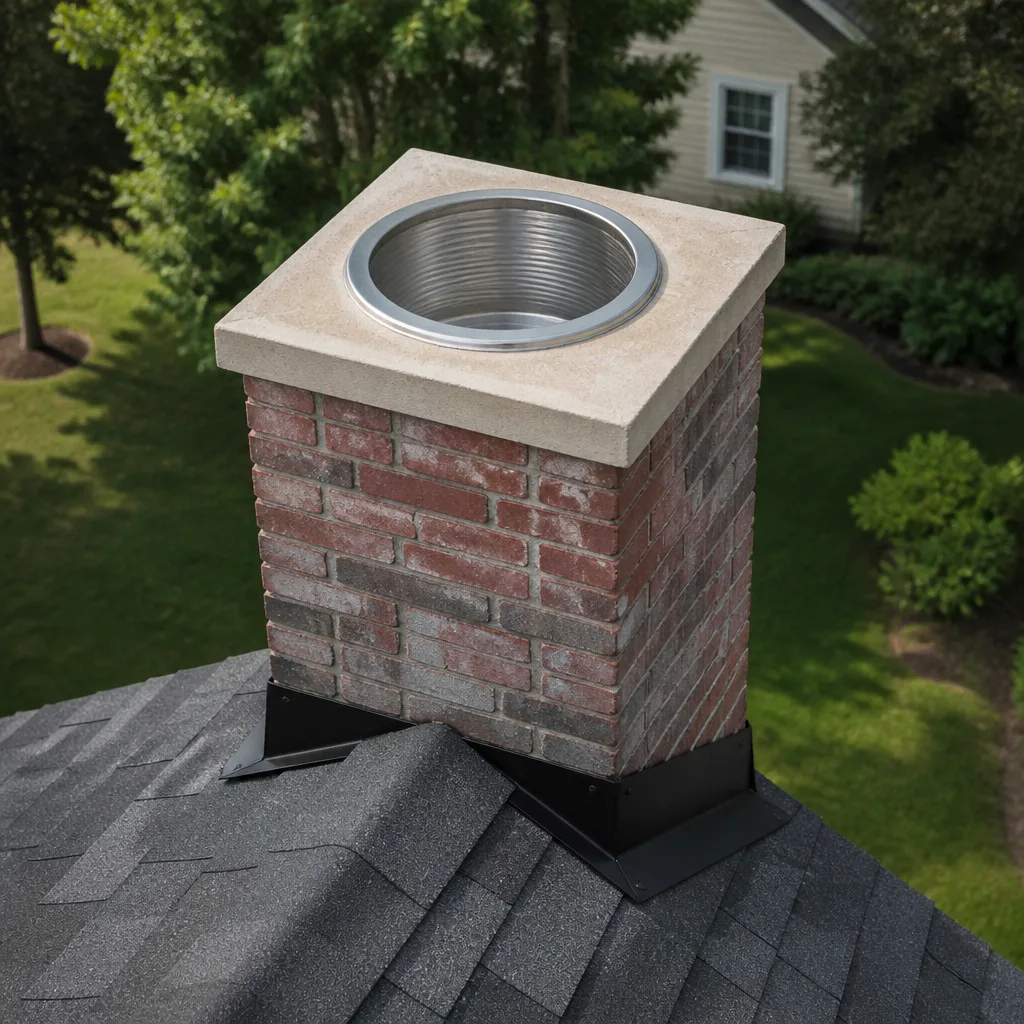 Flue relining
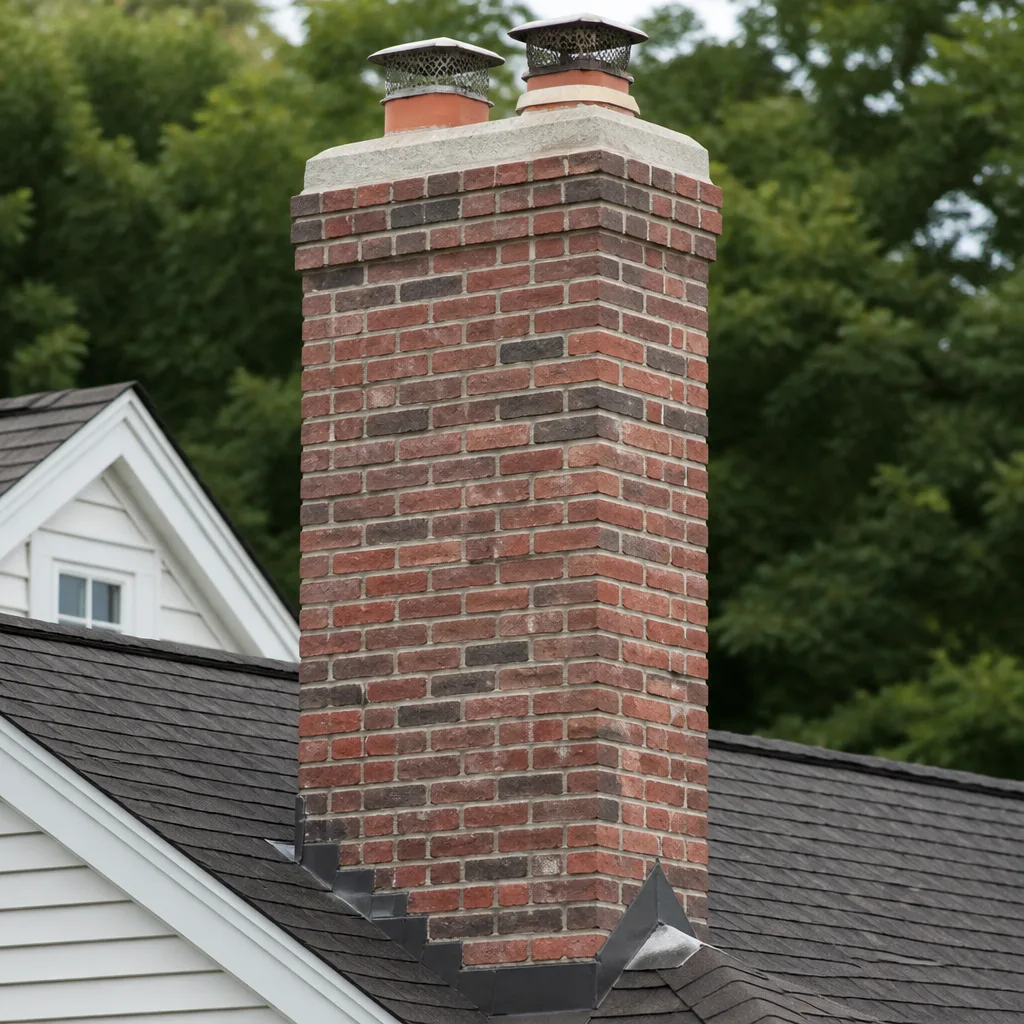 Masonry repair
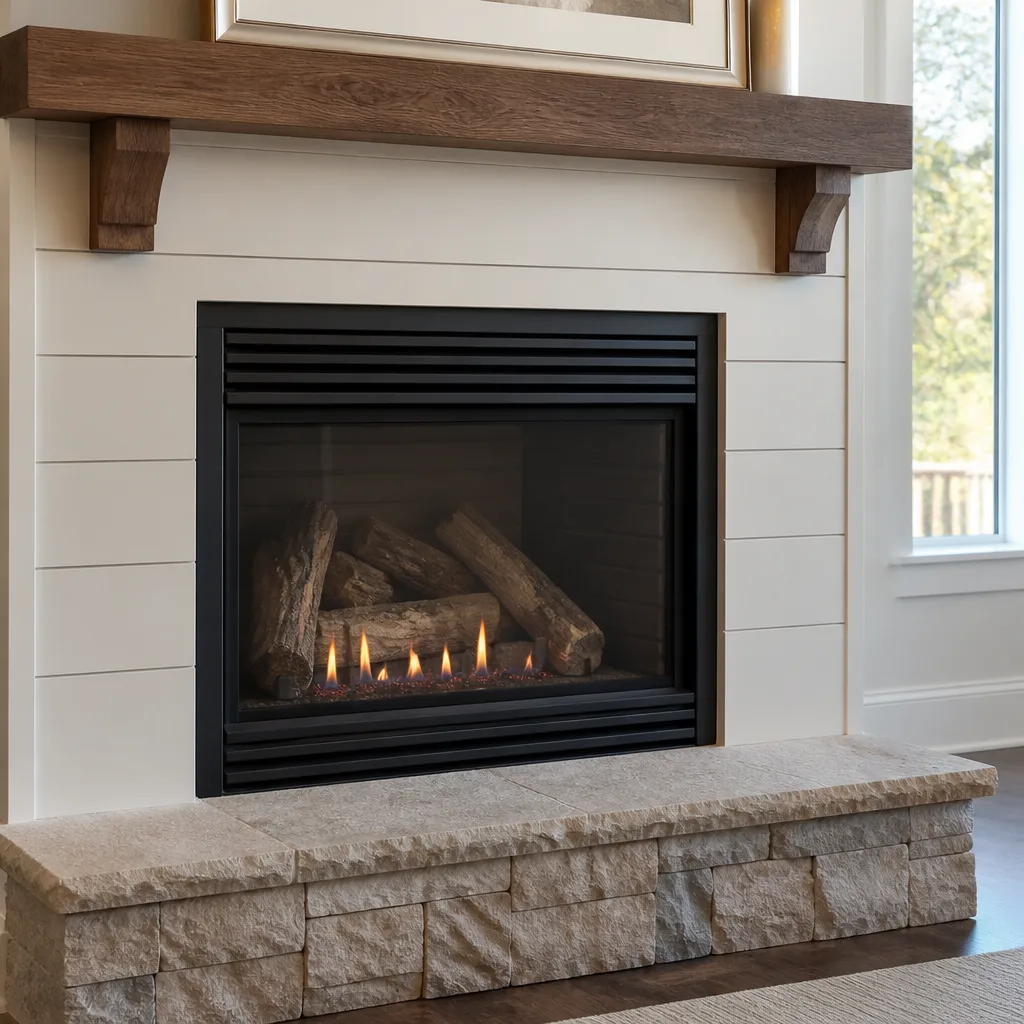 Gas fireplace service
Level 1 sweep and inspection to the NFPA 211 annual standard - flue, crown, cap, and flashing checked and photographed
Chimney sweep logs do not sweep chimneys. They loosen some creosote - which then falls where a brush and vacuum still have to collect it.
Chimney Cleaning Cost Breakdown: The Canarsie Homeowner’s Reference for 2026
That $79 chimney cleaning flyer in your mailbox probably isn’t a deal. It’s a loss-leader designed to get a technician through your front door so the company can quote a repair once the brush is out of the bag. In a neighborhood with Canarsie’s housing stock, there’s almost always something to quote: a crown that’s cracked, a flashing seam that opened up, a flue that hasn’t been looked at from the inside in years. That doesn’t mean every cheap sweep is a scam, and it doesn’t mean the repairs are fake. It means the number on the flyer was never the real price of the job. This guide reverse-engineers a legitimate 2026 chimney invoice line by line, so you can compare quotes on equal footing instead of defaulting to whichever number is smallest.
Quick Answer
A standard chimney sweep in Canarsie in 2026 typically runs $250 – $400 for a single flue with a Level 1 inspection included. Add a camera-assisted Level 2 inspection and expect $400 – $600. Full-service cleaning that folds in minor repairs (crown sealing, cap reseating, mortar touch-ups) lands around $500 – $900, and actual structural work like liner resurfacing is priced separately by written estimate.
Styles & brands we work with
- Sweep & inspection
- Caps & crowns
- Flue relining
- Masonry repair
- Gas fireplace service
Table of Contents
- Why the Cheapest Sweep on the Flyer Isn’t the Cheapest Job
- The Four Real Service Tiers and What Each One Costs
- What Actually Drives the Price Up or Down in Canarsie
- The Cost of Waiting: Annual Cleaning vs. Liner Replacement
- How to Read a Chimney Quote Line by Line
- Brooklyn Pricing Context: Labor, Parking, and Where the Company Is Based
- Level 1 vs. Level 2 Inspection: What You’re Paying For
- Common Mistakes to Avoid
- When to Call a Professional
- Frequently Asked Questions
Why the Cheapest Sweep on the Flyer Isn’t the Cheapest Job
Chimney cleaning isn’t a commodity, even though it’s often sold like one. The reason is that a sweep is only half the service. The other half is the inspection that tells you whether the flue you’re about to rely on all winter is actually sound. A company that prices the sweep below its own cost has to recover the money somewhere, and the only place it can recover it is in the repair conversation that follows.
We’re not saying a low-priced sweep is automatically dishonest. Some established shops run introductory pricing to win new customers and do perfectly honest work. The problem is that the flyer price tells you nothing about what the technician will find in your chimney, and Canarsie’s rowhouses and older single-families have chimney systems that were often built, modified, and patched by several hands over the years. A technician who isn’t looking closely can miss a lot; a technician who is looking closely in a Canarsie chimney will often find something worth mentioning.
What you want isn’t the lowest quote. It’s a quote you can read. When a company itemizes the sweep, the inspection, the camera, and any recommended repairs as separate lines, you can see exactly what you’re buying and what you’re deferring. When a company quotes one flat number with no breakdown, the sweep and the repair upsell are bundled together, and you’ve lost the ability to tell them apart.
The difference between a sweep and a diagnosis
A sweep removes creosote, soot, and whatever’s nesting up there. A proper inspection tells you the condition of the flue, the crown, the flashing, the cap, and the smoke chamber. A sweep without an inspection is a missed diagnosis, and a diagnosis without a sweep leaves the hazard in place. The two are supposed to happen together, and a reputable provider prices them as a package without making the inspection an upsell.
The Four Real Service Tiers and What Each One Costs
Chimney cleaning in Canarsie falls into four tiers in 2026. The tiers matter because most companies quote only one of them, and a “sweep” quote from one company may not equal a “sweep” quote from another if one includes the inspection and the other doesn’t.
| Service Tier | What’s Included | Typical 2026 Estimate |
|---|---|---|
| Basic sweep | Brush and vacuum of a single flue, soot bag in place, debris removed | $250 – $350 |
| Sweep + Level 1 inspection | Basic sweep plus a visual inspection of the firebox, damper, smoke chamber, flue, crown, cap, and flashing | $300 – $400 |
| Sweep + Level 2 inspection | Sweep plus a camera-assisted inspection of the full flue interior with a written report and photos | $400 – $600 |
| Full-service cleaning with minor repairs | Sweep, Level 1 or 2 inspection, and small fixes done on the same visit (crown sealing, cap reseating, minor mortar repair) | $500 – $900 |
These are typical ranges, not promises. The written estimate always sets the final price, and the estimate is free. We send a technician out to look before anyone quotes a number, because a chimney that hasn’t been seen is a chimney that can’t be priced accurately.
Tier 1: The basic sweep
One flue, one firebox, brush and industrial vacuum, all debris hauled away. If your chimney has been swept annually and the last inspection was clean, this is often enough. There’s not much to break down here, and a basic sweep shouldn’t cost more than a few hundred dollars in the New York market.
Tier 2: Sweep with Level 1 inspection
This is the tier most Canarsie homeowners actually book. The technician sweeps, then inspects the accessible parts of the system visually, walking the roofline when it’s safe and reachable, and checking the crown, cap, and flashing from above. A Level 1 inspection is not a camera inspection; it’s a careful pair of eyes on the parts of the system that can be seen.
Tier 3: Sweep with Level 2 camera inspection
A Level 2 adds a camera run through the full flue. This is the inspection you want after a home purchase, after a chimney fire (even a small one), after a liner change, or any time you’ve noticed a performance change (smoke spilling into the room, a smell that wasn’t there before). The camera shows what the eye can’t reach, and the report that comes with it is what a future buyer or insurer will want to see.
Tier 4: Full-service cleaning with minor repairs
This tier is where a single visit can close several loops at once. The sweep happens, the inspection happens, and the small repairs that most often come up right after a cleaning (crown cracks, a loose cap, deteriorated mortar at the chimney crown shoulder) get addressed on the spot. Companies that offer only sweeping will either tell you to book a separate repair visit or hand you a list to take to another contractor. Companies that do the full scope can finish the job while the ladders are already up, and that’s usually cheaper for you than two visits.
What Actually Drives the Price Up or Down in Canarsie
Two chimneys on the same block can cost very different amounts to sweep, and the difference is almost never arbitrary. The factors below are the ones that show up on a real estimate.
Flue height and configuration
Height matters because it affects ladder access, setup time, and the length of the brush run. A single-story rowhouse with a roof that sits close to the parapet is a faster, cheaper job than a three-story building where the technician has to rig a ladder safely and navigate a steeper roofline. Flues that share a masonry stack with an adjacent unit also take longer, because each flue has to be swept separately and the debris has to be segregated.
Fuel type and appliance
A wood-burning fireplace produces creosote, which has to be removed with a proper brush and, when it’s heavy, chemically softened first. A gas appliance produces very little of either but has its own inspection needs. An oil furnace flue is a different job again. Fuel type directly changes the time, the tools, and the price.
Creosote stage
Creosote is graded in three stages. Stage 1 is soot and light flake that brushes off easily. Stage 2 is a crusty deposit that takes more work and often a chemical treatment between passes. Stage 3 is a glazed, tar-like coating that a brush alone won’t remove; it requires a chemical process and sometimes more than one visit. A chimney that’s been swept annually rarely gets past Stage 1 or 2. A chimney that hasn’t been touched in a decade can be Stage 3, and that changes the price significantly.
Accessibility: roofline pitch and parapet walls
Canarsie’s rowhouses and attached homes often have low parapet walls along the roof edge. They’re a nice architectural detail and a real access factor: the technician has to work around or over them to reach the chimney safely, and that takes time. Steep roofs on some of the older detached homes add setup time as well. Neither issue is a deal-breaker; both are legitimate reasons one quote can be higher than another.
Liner type
A clay-tile flue is swept with a standard brush. A metal liner has to be swept with a brush that’s matched to the liner’s material so it doesn’t scratch or deform. A flue that’s been resurfaced (for example with HeatShield, which we work with) needs a sweep that respects the resurfacing material. A mismatched brush can do real damage, and any reputable company will ask about the liner before booking.
The Cost of Waiting: Annual Cleaning vs. Liner Replacement
Here’s the math that most flyers skip. A properly done annual cleaning in Canarsie runs about $350 to hold the line. A full liner relining, when skipped cleanings have let the creosote and moisture attack the flue masonry until the clay tiles crack and the liner fails, runs roughly $3,000 to $8,000 depending on the flue height, liner material, and access. That’s not a scare tactic; it’s a maintenance-versus-replacement calculation that every masonry system follows.
What actually destroys a flue isn’t the fire. It’s the moisture and the acidic deposits that sit against the masonry between fires, and the creosote that doesn’t get swept is the layer that holds moisture in place. Stage 3 creosote, in particular, is a fire risk on its own: it’s the kind of deposit that can ignite and produce a chimney fire hot enough to crack tiles and damage the crown. A chimney fire isn’t always dramatic from inside the house; it can burn hot and short and leave damage you can’t see without a camera.
What “deferred maintenance” actually means in dollars
The honest way to compare the two numbers is to think of the annual cleaning as the thing that keeps the flue in the replaceable-later, not-replaceable-now category. Homeowners who sweep annually tend to reach the liner decision years later, if at all. Homeowners who skip five or six seasons tend to reach it sooner and with less choice about timing. We’ve seen both outcomes across Canarsie and the surrounding neighborhoods, and the pattern holds.
The parts of the chimney a sweep alone won’t protect
The sweep cleans the flue. It does not seal the crown, reseat the cap, or close a gap in the flashing. Those three things are where water gets in, and water is the slow killer of masonry chimneys. Crown and cap work belongs in the same maintenance conversation as the sweep, because the cleaning is only half of what keeps a chimney healthy. If a technician sweeps and walks away without checking the top of the stack, the visit is incomplete.
How to Read a Chimney Quote Line by Line
A legitimate chimney quote reads like a short invoice, not a paragraph of reassurance. Here’s what a well-built estimate looks like, and how to tell it apart from a quote with the repair baked in.
- Sweep line, itemized. A single line for the specific flue or flues being swept, with the number of flues named.
- Inspection line, separate. Level 1, Level 2, or both, named explicitly. If the quote says “inspection included,” ask which level.
- Camera line, when applicable. A Level 2 quote should tell you whether the camera report and photos come with the visit or cost extra.
- Repair lines, separate and optional. Any recommended repair should appear as its own line, with a short description of what it addresses and what happens if you defer it.
- Written scope of what’s included. Debris removal, drop cloths, and cleanup are part of the price, not add-ons.
- No pressure clause. A quote that says “repair must be done today” is not a quote; it’s a sales script.
- The estimate is free. You shouldn’t be charged to have a technician come out and look before a number is written.
The single biggest red flag is a flat quote with no line items and a verbal recommendation for a repair that isn’t on paper. The second biggest is a price that changes on the day of the visit without a corresponding change in scope. A legitimate provider will show you what they found, explain what’s urgent and what can wait, and let you decide.
What “repairs recommended” should look like
If the technician recommends work, the recommendation should be specific. “The crown has a hairline crack along the top and needs to be sealed before freeze-thaw season” is specific. “You need a new chimney” is not. If you can’t tell which part of the chimney is involved, ask. The technician should be able to point to it.
Brooklyn Pricing Context: Labor, Parking, and Where the Company Is Based
Chimney work in Brooklyn carries cost factors that don’t exist in most of the country, and they show up in every quote whether the company mentions them or not.
NYC labor rates
Licensed and insured chimney technicians working in New York City are paid at city rates, and that’s the single largest line in any estimate. A sweep that costs $250 in a lower-cost region costs more here because the labor behind it costs more here. Any quote that’s dramatically below the local market is either cutting scope, cutting corners, or setting up an upsell.
Parking and access
Parking in Canarsie is easier than in downtown Brooklyn, but it’s still a real cost. A company that has to circle for parking, pay a meter, or walk equipment from a distant spot builds that into the quote. Companies based in Manhattan or deeper into Brooklyn often carry a heavier access surcharge for Canarsie jobs because of the drive and the parking situation. A company whose technicians already work in Canarsie and the surrounding neighborhoods has less of that overhead to pass on.
Drive time from a Manhattan-based provider
Drive time is the hidden line. A company dispatching from Manhattan or central Brooklyn is looking at a 30-to-45-minute trip each way, and that round trip has to be recovered somewhere. Sometimes it’s in the hourly rate, sometimes it’s in a flat trip charge, sometimes it’s buried in a higher base price for the sweep. When you compare quotes from Canarsie-based and Manhattan-based companies, the difference in price is often just the difference in the commute.
What “Canarsie-based” actually means for your quote
A company whose technicians regularly work in Canarsie knows the neighborhood’s rowhouse stock, the parapet walls, the typical chimney configurations, and the local timing on seasonal demand. That familiarity finds its way into a more accurate estimate the first time, rather than after the technician has climbed up and down a few times. It also means the company that quotes you is likely the company that will do the work, which is what you want for the follow-up.
If you’re ready to compare a Canarsie-based estimate against whatever flyer you’ve got, the Chimney Sweep Canarsie team can get a technician out to take a look. Call (833) 508-9953.
Level 1 vs. Level 2 Inspection: What You’re Paying For
The inspection line on your quote is often the most misunderstood part of a chimney invoice. Here’s what the two levels actually mean, and when each one is worth the extra cost.
Level 1 inspection
A Level 1 inspection is a visual check of all readily accessible parts of the chimney and venting system. That means the firebox, the damper, the smoke chamber, the visible portion of the flue, the crown, the cap, and the flashing where the chimney meets the roof. It’s included in a standard sweep, and it’s what most annual maintenance visits involve. If your chimney has been serviced regularly and nothing has changed in how it performs, Level 1 is usually enough.
Level 2 inspection
A Level 2 inspection adds a camera run through the full flue (and, when relevant, through connected venting), plus a written report and photos. It’s the right choice after a home purchase, after a chimney fire, after any change in the appliance (a new insert, a new stove, a fuel switch), and after a seismic event or a major storm. In Canarsie, the home-purchase scenario is the most common reason we’re asked for a Level 2. A buyer needs to know whether the flue is sound before the paperwork closes, and a camera is the only way to answer that question with evidence.
What the report should contain
- A summary of the flue’s condition, in plain language
- Photos of any defect, with a description of where it is
- Recommended actions, separated into urgent and deferrable
- An explanation of what the technician couldn’t see, if anything
If the report is a paragraph of reassurance with no photos, you paid for a Level 2 and got a Level 1 with a stamp. The camera is the whole point.
Why the report matters beyond the visit
A clean, dated inspection report is useful to you beyond the day of the visit. It’s what you’d hand to a buyer’s inspector if you’re ever selling, and it’s what an insurer may ask for after a claim. Getting it in writing, with photos, is worth the modest difference in price between a Level 1 and a Level 2 visit.
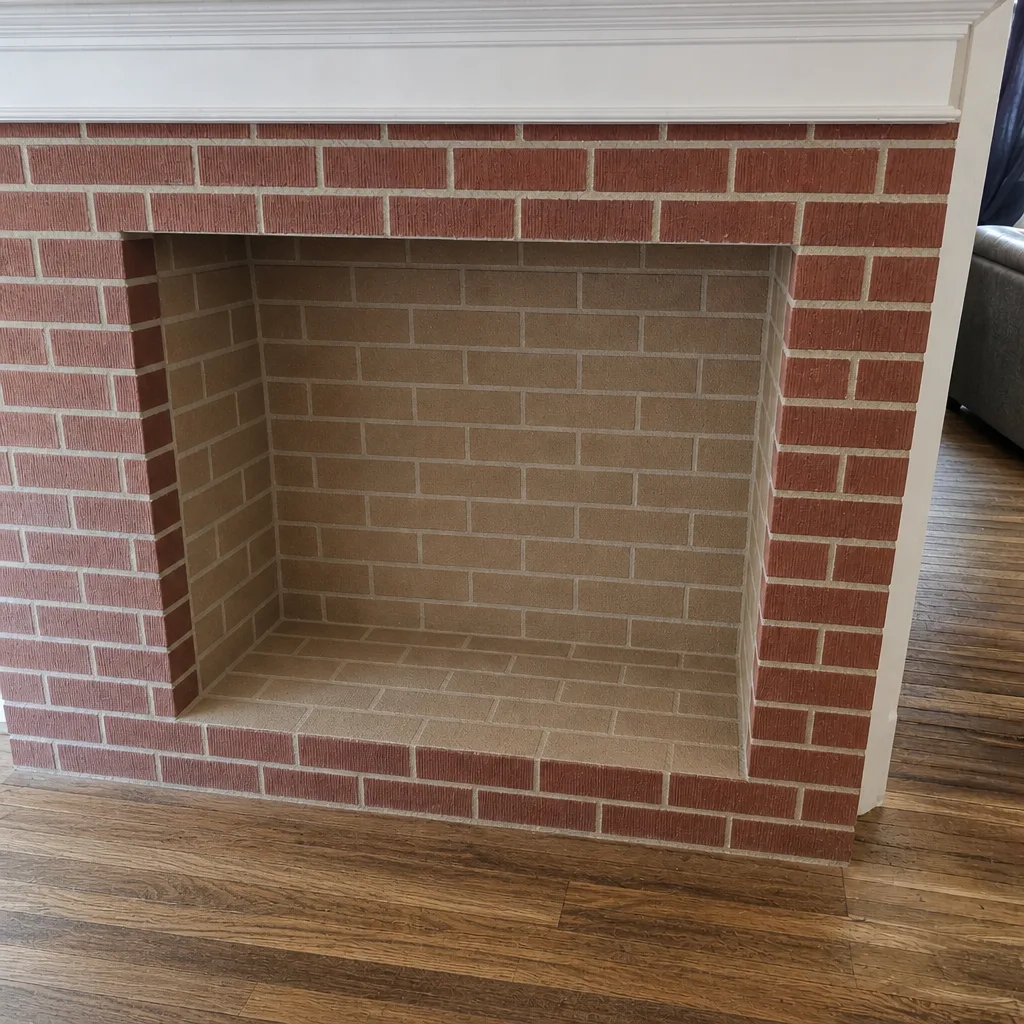
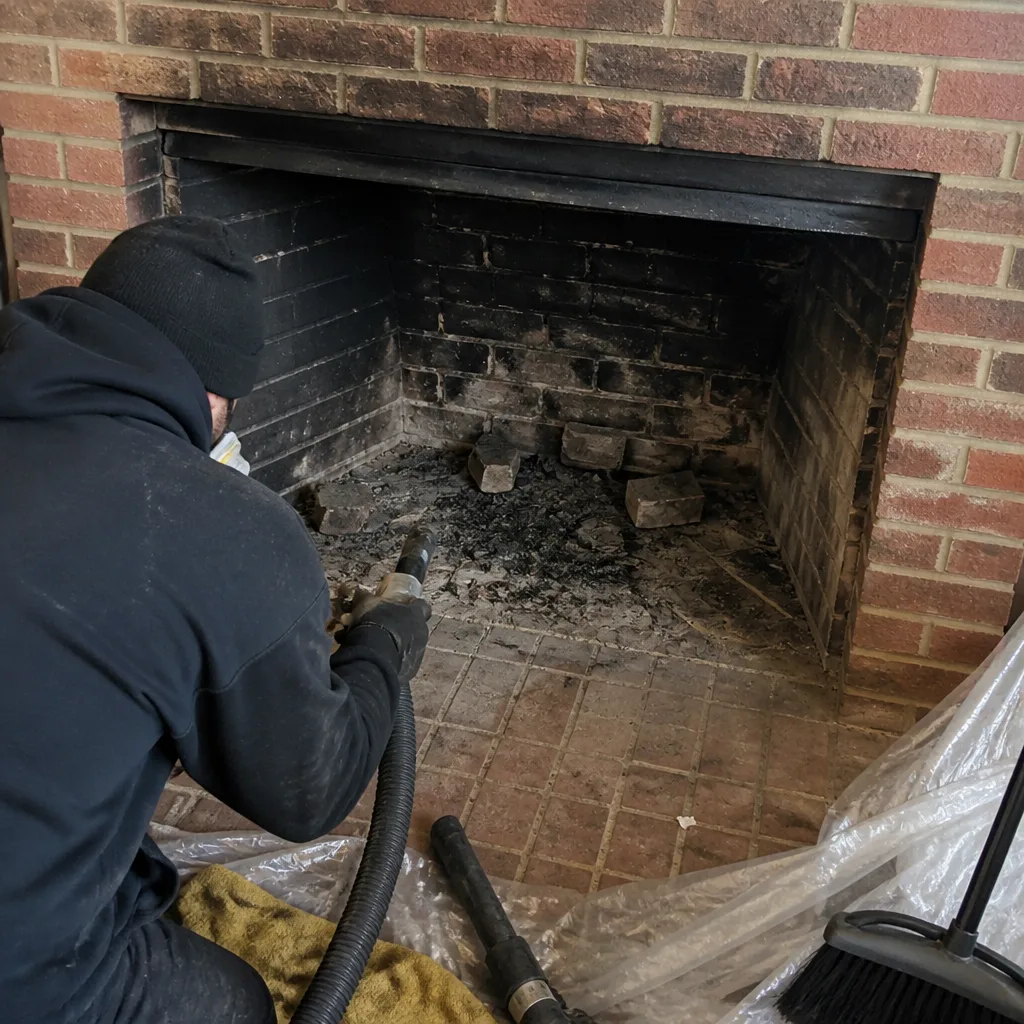
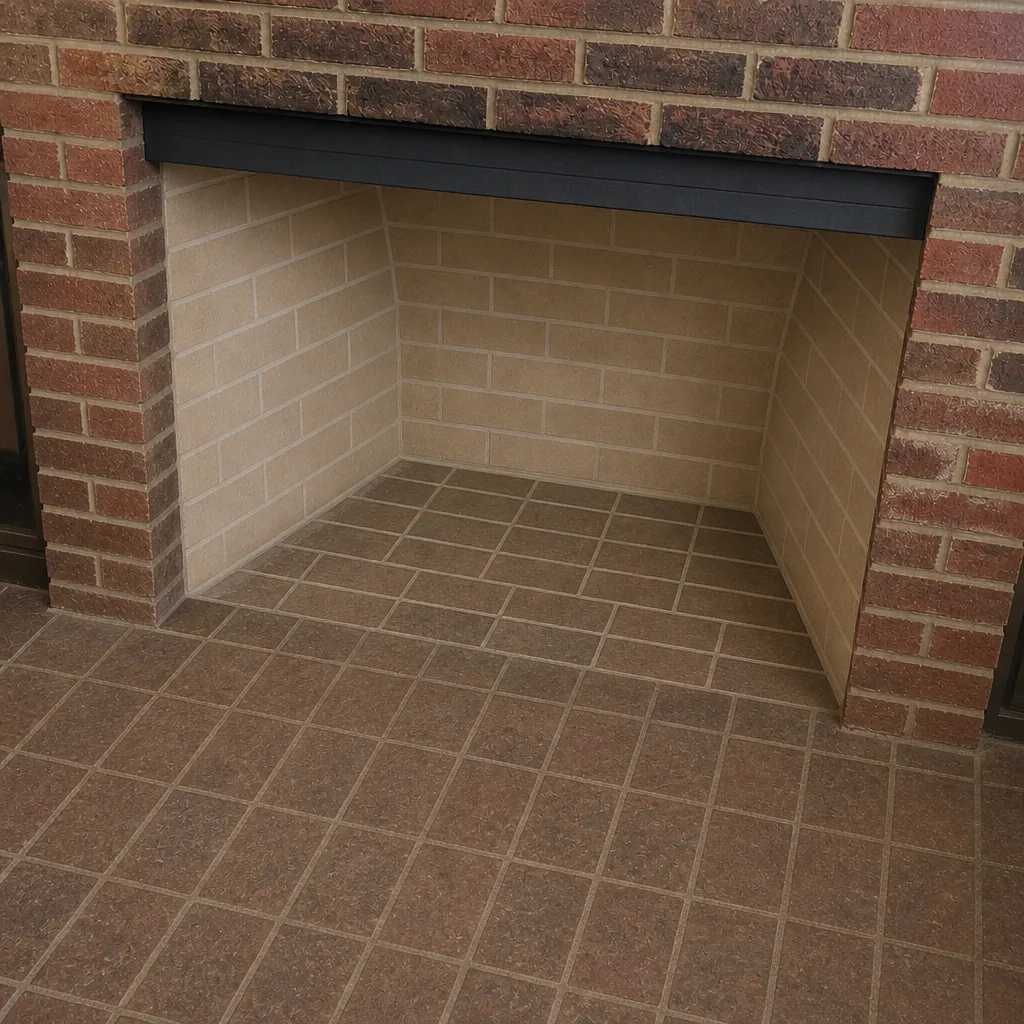
See the difference
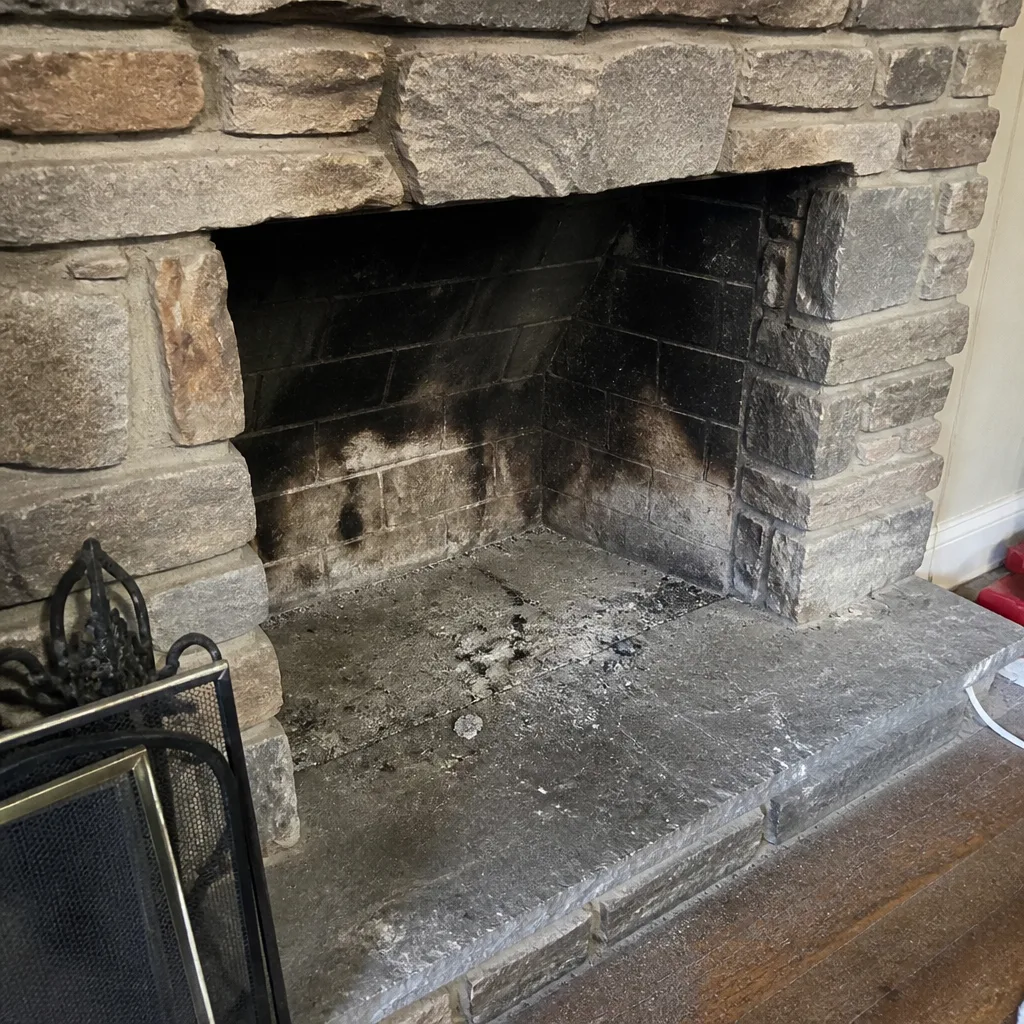 Before
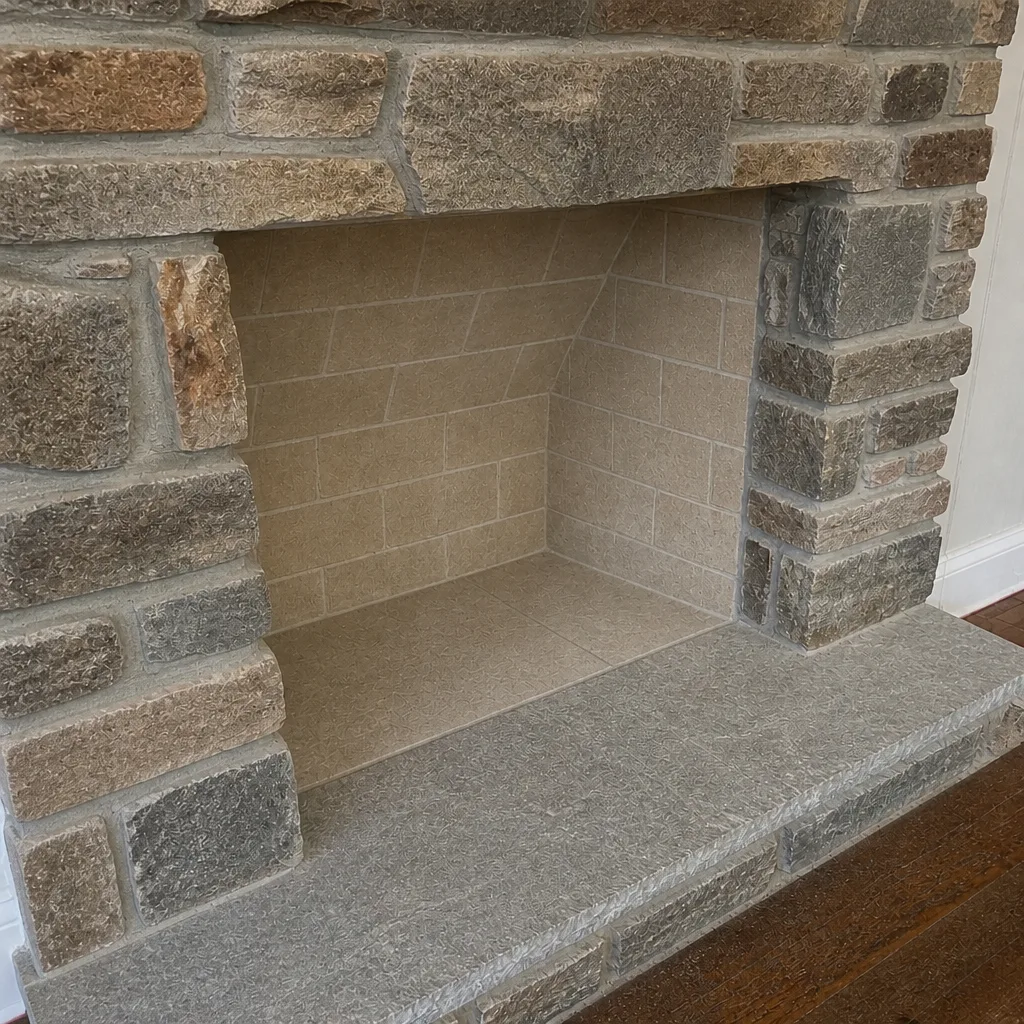 After
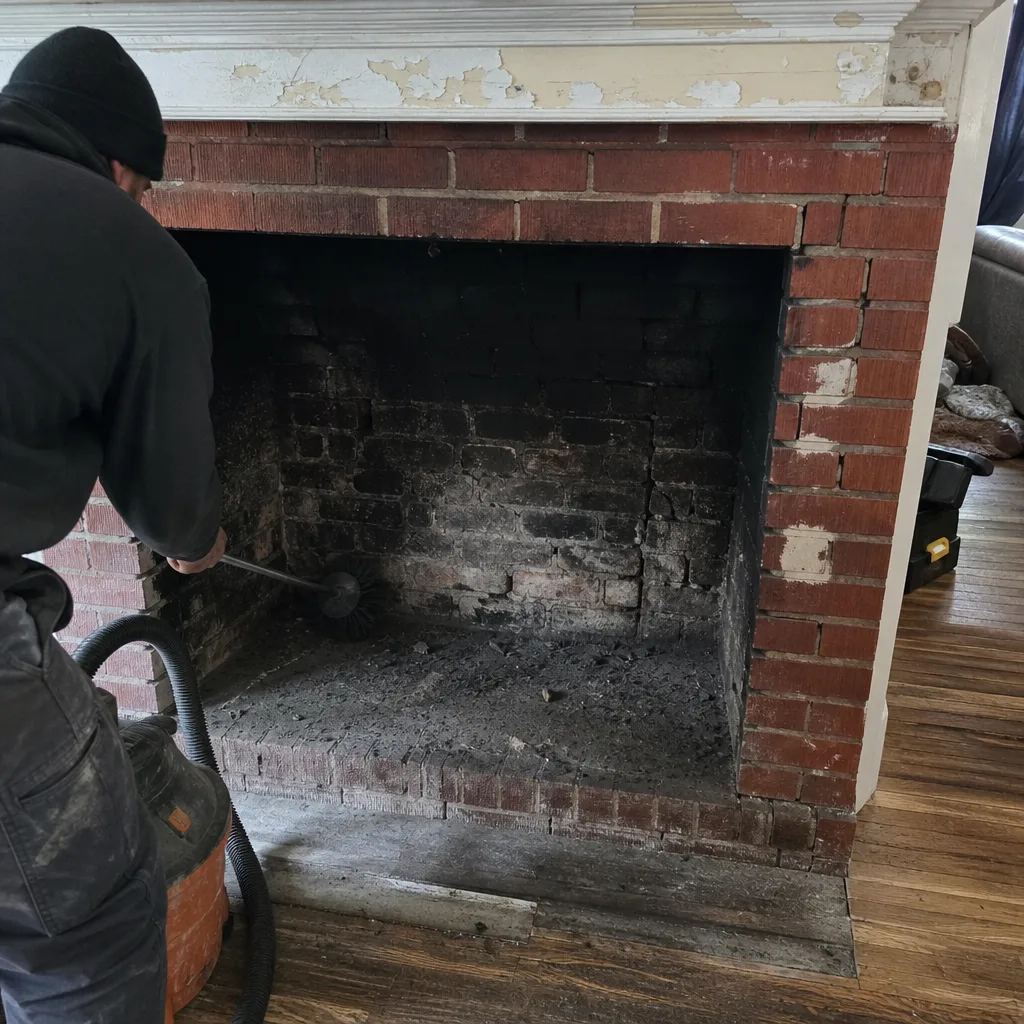 Before
 After
 Before
 After
Common Mistakes to Avoid
- Booking on the flyer price alone. The $79 sweep is a real service, but the quote you’ll get after the technician has been in the house is the quote that matters. Compare total costs, not entry prices.
- Skipping the inspection to save a few dollars. The inspection is what tells you whether the sweep was the end of the job or the beginning. A sweep without an inspection is a missed diagnosis.
- Accepting a flat-rate quote with no line items. A legitimate estimate itemizes the sweep, the inspection, the camera, and any recommended repairs. If you can’t see what you’re paying for, you can’t compare it to anything else.
- Waiting until the first cold snap to schedule. Canarsie’s chimney demand spikes hard once the weather turns, and the schedule fills accordingly. Booking in the off-season gives you more choice of appointment and, often, a shorter wait.
- Assuming a sweep fixed the cap and crown. It didn’t. Those two parts of the chimney are where water gets in, and a sweep doesn’t touch either. If your last visit didn’t include a look at the top of the stack, the job is half done.
- Taking a “replace the whole chimney” recommendation at face value. Ask to see the camera evidence for the recommendation. If it isn’t there, get a second opinion.
- Hiring a company that doesn’t service what it finds. If the same visit can’t close the loop on a small repair, you’ll be booking a second company for a second visit, at a second cost.
When to Call a Professional
Some chimney issues are safe to watch. Others aren’t. Call in a technician if you’ve noticed any of the following: smoke spilling back into the room when the fire is lit, a persistent smell from the firebox even when there’s no fire, a visible crack in the crown or any part of the chimney masonry, a cap that’s loose or missing, water stains on the ceiling near the chimney, a chimney that hasn’t been swept in more than two seasons, or a recent home purchase where the chimney’s history is unknown. The other reason to call is simpler: you’re due. A cleaning you can price and plan around costs less than the liner repair that skipped cleanings make likely. Chimney sweep appointments in Canarsie are scheduled by call, and the estimate is free.
Chimney Sweep Canarsie offers free estimates in Canarsie. Call (833) 508-9953. We answer 24/7. Fast dispatch from 7am to 7pm, Sunday through Friday.
Frequently Asked Questions
A standard sweep with a Level 1 inspection in Canarsie typically runs $300 – $400 for a single flue. Adding a camera-assisted Level 2 inspection brings the visit to $400 – $600, and a full-service cleaning that includes minor repairs like crown sealing or cap reseating lands around $500 – $900. The written estimate sets the final price. Call (833) 508-9953 for a free estimate.
Level 1 is enough for a chimney that’s been serviced regularly and hasn’t changed how it performs. Level 2 becomes worth the extra cost after a home purchase, after a chimney fire (even a small one), after a new appliance or insert, or any time you’ve noticed smoke, odor, or water where there wasn’t any before. If the technician recommends a repair you can’t see in a photo, ask for a camera run first. Call (833) 508-9953 for a free estimate.
Once a year for a chimney that sees regular use, and more often if you burn a lot of wood or notice buildup. The annual visit is what keeps the flue out of the “replace the liner” category, which is a much larger cost. Skipping two or three seasons is where the expensive repairs start. Call (833) 508-9953 to schedule a sweep and inspection. We answer 24/7, and dispatch runs 7am to 7pm, Sunday through Friday.
Creosote builds up in layers, moisture settles against the masonry, and the flue tiles start to crack. The chimney keeps working, which is the problem, until one day it doesn’t. The likely outcomes are a chimney fire, a carbon monoxide risk from a blocked flue, or a liner replacement that costs $3,000 – $8,000. A $350 cleaning is the cheaper branch of that choice. Call (833) 508-9953 for a free estimate before the season starts.
Two reasons, usually. First, a company based in Canarsie or its immediate surrounding neighborhoods has less drive time and less parking overhead to recover than a company dispatching from Manhattan or deeper into Brooklyn. Second, a company that knows the local rowhouse stock and parapet-roof access tends to price the job accurately the first time, rather than after a series of follow-up visits. The cheapest quote is often the one with the largest hidden line. Call (833) 508-9953 for a free Canarsie estimate.
Often, yes. Minor repairs like crown sealing, cap reseating, and small mortar touch-ups are frequently done on the same visit as the sweep, which is why the full-service tier exists. Larger structural work like liner resurfacing or a full relining is quoted separately, and we can work with your insurer if a claim is involved. Nothing gets recommended without camera evidence you can see. Call (833) 508-9953 for a free estimate.
The Bottom Line
Chimney cleaning in Canarsie in 2026 is a $250 – $900 service depending on tier, and what separates the low end from the high end is what’s actually being done: sweep alone, sweep with a Level 1, sweep with a camera, or sweep plus the small repairs that close the loop. The most useful thing you can do as a homeowner is read the quote before you compare it to another one, and insist that the sweep, the inspection, and any recommended repair each carry their own line. That’s how you avoid paying for a flyer price and getting a real bill.
The other number to keep in mind is the deferred one. A skipped annual cleaning doesn’t save $350; it moves your timeline closer to a $3,000 – $8,000 liner replacement. The math only favors waiting if you never plan to replace the liner, and that isn’t a choice most chimneys let you make.
Our technicians have up to 8 years of experience with sweeps, inspections, chimney cap & crown work, and chimney repair. We work with professional-grade materials, including DuraFlex flexible liners and the HeatShield flue resurfacing system, so what we install is what we can name. From the firebox to the crown, one company, one call.
If you’re ready to price a cleaning, an inspection, or a repair, call (833) 508-9953 for a free estimate. We answer 24/7. Fast dispatch from 7am to 7pm, Sunday through Friday. The estimate is free, and the written price sets the job. Chimney problems don’t get cheaper when you wait.
Written by the team at Chimney Sweep Canarsie.