
Last updated November 22, 2026
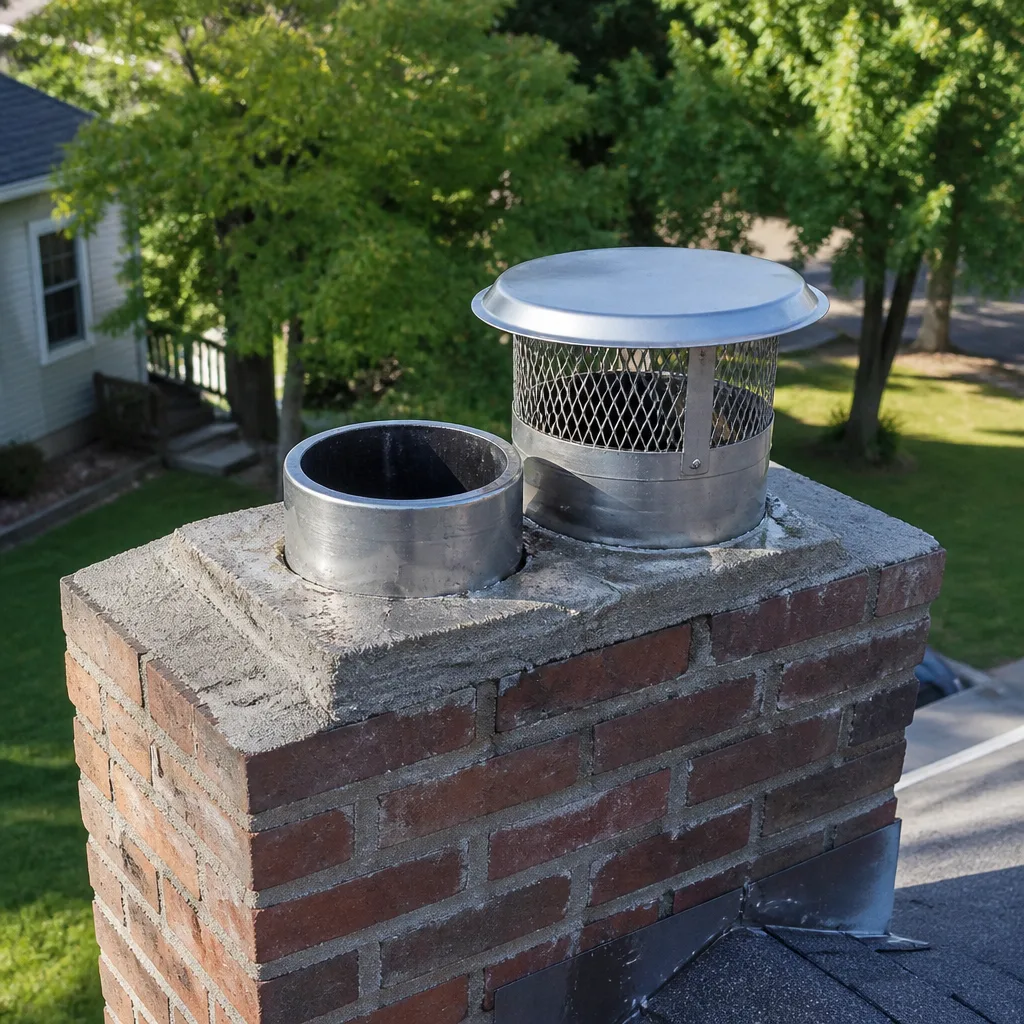 Sweep & inspection
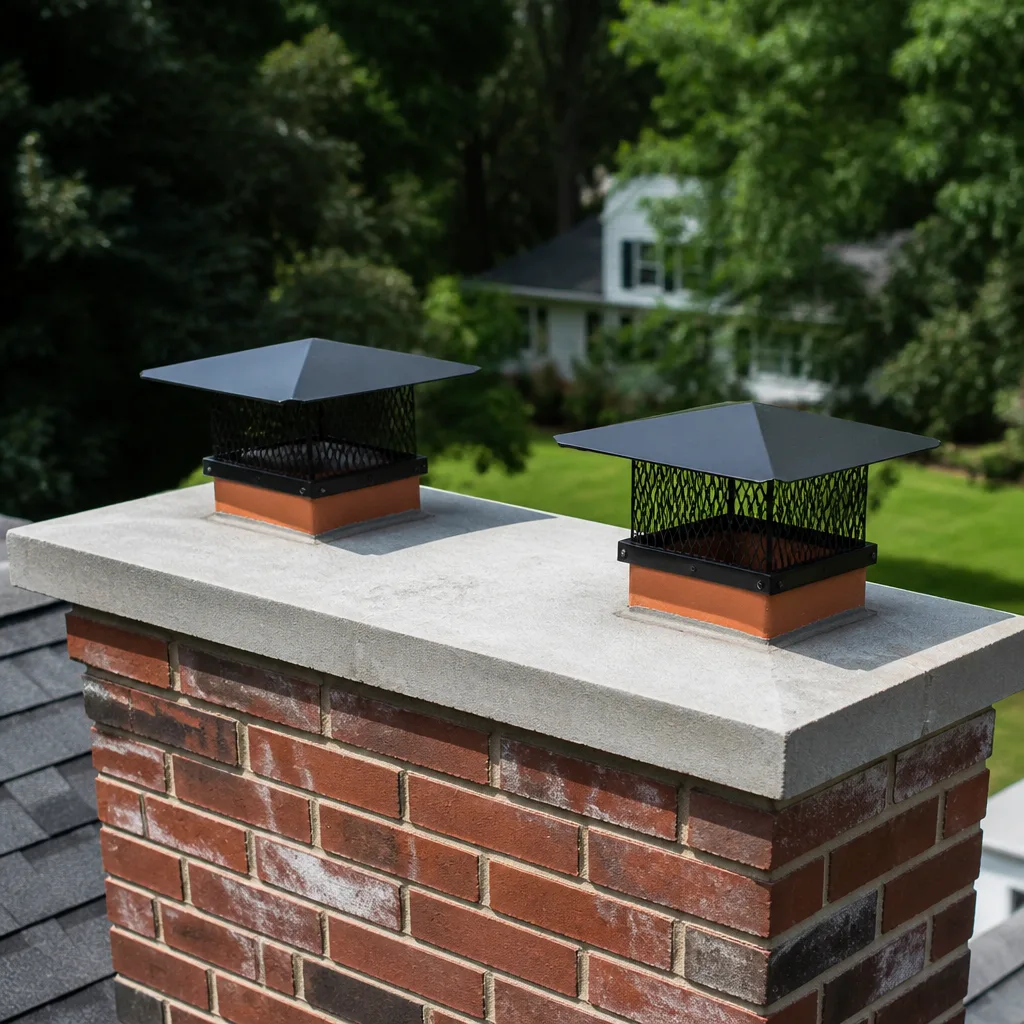 Caps & crowns
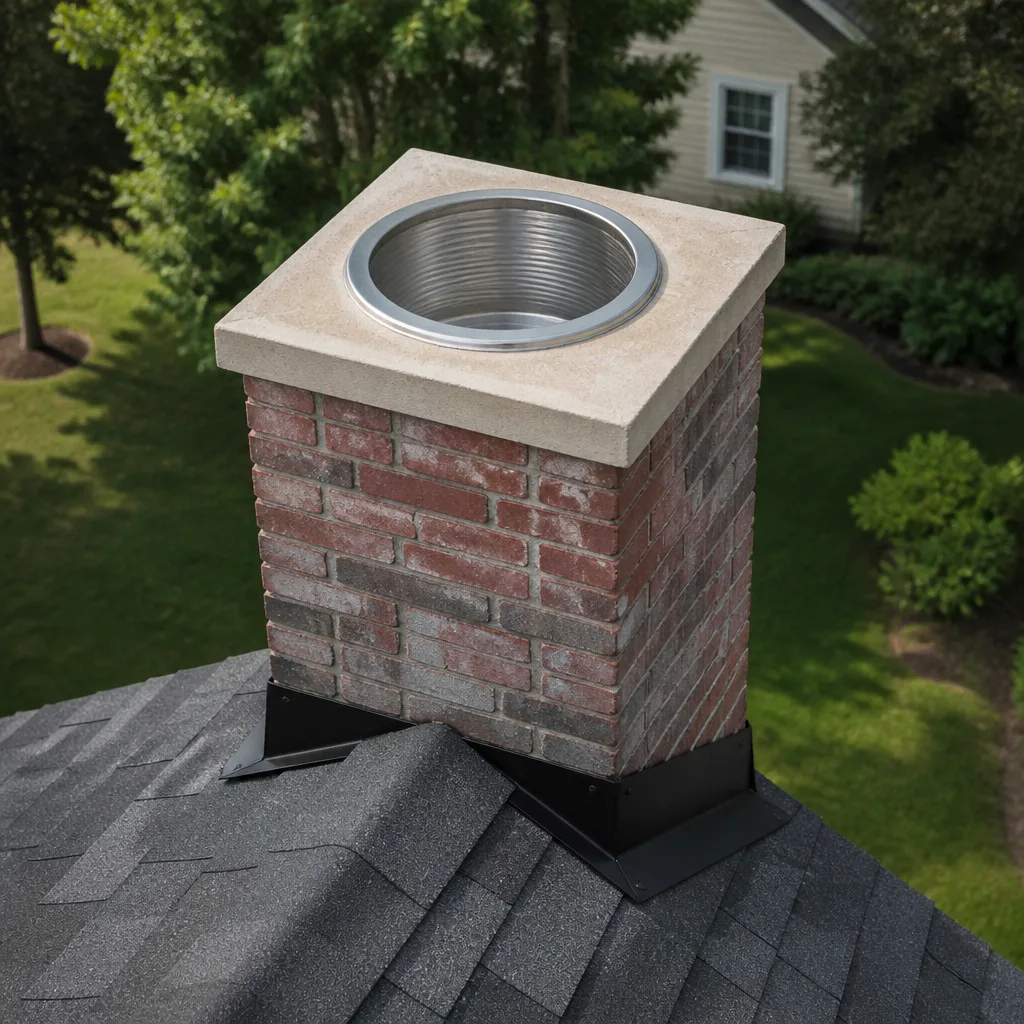 Flue relining
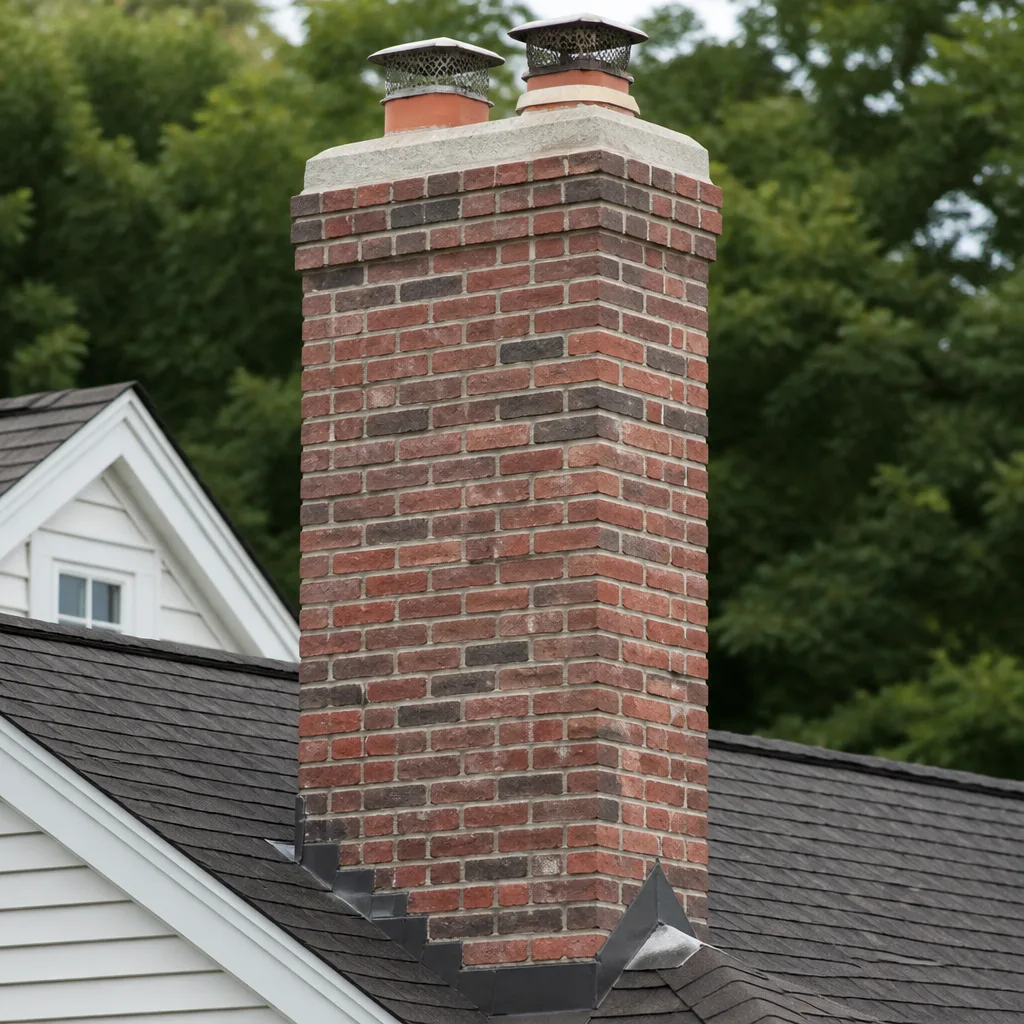 Masonry repair
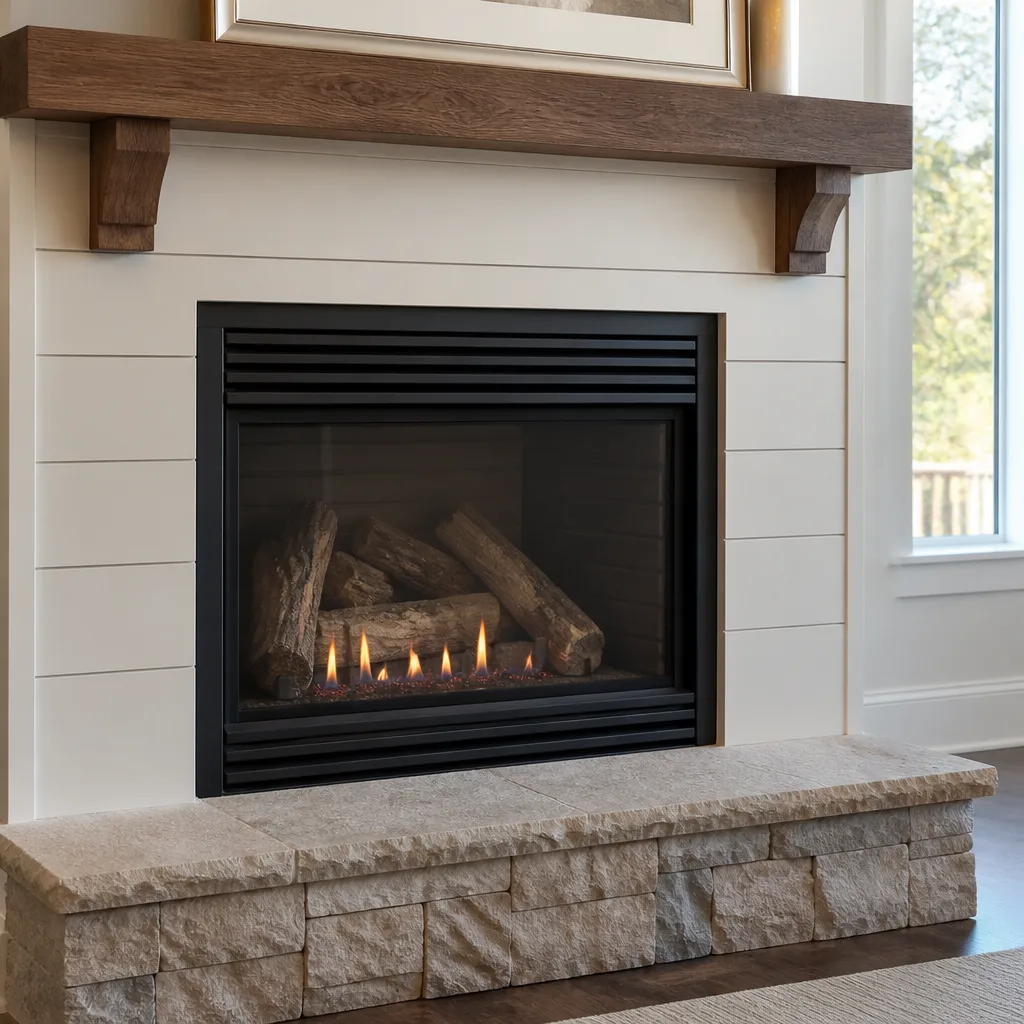 Gas fireplace service
Level 1 sweep and inspection to the NFPA 211 annual standard - flue, crown, cap, and flashing checked and photographed
Chimney sweep logs do not sweep chimneys. They loosen some creosote - which then falls where a brush and vacuum still have to collect it.
Chimney Cleaning Emergency Preparedness Guide for Canarsie Homes
Closing the damper during an active chimney fire feels like the obvious move. It can also be the worst one. Whether you should shut the flue, keep it open, or leave it alone depends on what kind of liner your chimney has and where inside the system the fire is actually burning, two things most homeowners have never been told. That gap between instinct and correct action is what we want to close here. This guide covers how to spot a chimney fire early, how a carbon monoxide event from a chimney-vented appliance differs from a fire, what to do about sudden draft loss or a blockage, what FDNY dispatch needs to hear, and what has to happen before you light another fire. It’s written for Canarsie homes that burn wood, and it’s built to be read long before you ever need it.
Quick Answer
For a suspected chimney fire: get everyone out, call 911, and don’t shut the damper until you know your liner type and where the fire is, because closing it can push smoke and heat back into the house. For a suspected carbon monoxide event from a wood stove, insert, or other chimney-vented appliance, the answer is even simpler: get out first and call from outside, then call 911 or the gas utility. After either event, don’t relight until a certified inspection at the proper level has cleared the system. The rest of this guide explains how to read the warning signs before an emergency and what to do in the ten minutes that matter most.
Styles & brands we work with
- Sweep & inspection
- Caps & crowns
- Flue relining
- Masonry repair
- Gas fireplace service
Table of Contents
- How to Tell You’re Having a Chimney Fire
- The Damper Decision: Why Instinct Can Be Wrong
- Carbon Monoxide: Why “Get Out First, Call Later”
- Sudden Draft Loss or Blockage: Testing Without a Fire
- What to Tell FDNY Dispatch
- After the Emergency: Before You Light Again
- Prevention: The Canarsie Checklist
- Common Mistakes to Avoid
- When to Call a Professional
- Frequently Asked Questions
How to Tell You’re Having a Chimney Fire
A chimney fire isn’t always the dramatic wall of flame people picture. Many are slow-burning and happen high up in the flue, where you’ll never see flames from the room. In our experience, the clues show up in your senses before your eyes. You hear it, you smell it, you feel it, and then you see it.
Here’s the sequence we walk Canarsie homeowners through so they can read the signs:
- Sound. A roaring, rumbling, or popping noise from the chimney is one of the most reliable signals of an active fire. It often sounds like a distant train or a low-flying plane. The popping is creosote igniting in stages as the fire moves up the flue.
- Smell. A sharp, acrid, hot-metal smell in the room, or the sudden return of a strong smoke odor you thought you’d cleared, means something is burning that shouldn’t be.
- Heat. The fireplace surround, the mantel, or the wall behind the chimney gets hot to the touch when it shouldn’t. Don’t test it with your palm; hold the back of your hand a few inches away.
- Smoke from the top. From outside, dense smoke or visible sparks and flames coming from the chimney cap is a clear indicator of an active fire. Black smoke with no visible flame is often a slower, hotter burn inside the flue.
- Pinging or tapping. In a metal liner, you may hear metallic ticking as the steel expands with heat. In a masonry flue, you may hear cracks or chunks falling.
Any two of these signals together is enough to act. You don’t wait for confirmation. Canarsie has plenty of older homes with wood-burning fireplaces that haven’t been swept in years, and that build-up of creosote is exactly the fuel a chimney fire feeds on. Once you suspect a fire, move to the next section immediately.
The Damper Decision: Why Instinct Can Be Wrong
The single most misunderstood step in a chimney fire is the damper. Most people’s instinct is to close it to smother the fire and keep smoke out of the room. Sometimes that’s the right call. Often it isn’t, and the wrong choice can be dangerous.
Here’s why it depends:
- If the fire is confined to the firebox or the base of the flue and you have a properly rated liner, closing the damper can limit oxygen and help starve the burn while you wait for the fire department. But you need to know your liner’s rating and its condition, which is exactly the sort of thing an inspection documents.
- If the fire is high in the flue or in a masonry flue without a properly rated liner, closing the damper can trap heat and pressure inside the system, push smoke back into the room, and, in the worst case, drive heat into adjacent combustibles. Keeping the flue open lets the fire vent upward where the fire department can reach it.
- If you don’t know your liner type, leave the damper open. That’s the safer default, and it’s the one we recommend homeowners remember without having to think. If you’ve never had an inspection that documents your liner, you don’t have the information to do anything else.
This is why an inspection matters long before an emergency. A sweep documented in a report tells you what you’re working with. A chimney sweep combined with a proper inspection tells you what you’re working with, and it’s the only way to know your liner before you need to make a decision in the middle of one.
While you wait for the fire department: get everyone out, close the fireplace doors if you have them and can do so safely, and call 911. Don’t throw water on it. Don’t go onto the roof. Don’t open windows on the far side of the house trying to “help the smoke escape,” as that can create a draft that feeds the fire. The fire department is trained for this; your job is to get out and describe accurately.
Carbon Monoxide: Why “Get Out First, Call Later”
Carbon monoxide doesn’t announce itself the way fire does. You can’t see it, smell it, or taste it. That’s why the protocol for a CO event from a chimney-vented appliance is even simpler than the fire protocol, and even more important to follow without hesitation. Get out first. Call from outside. Don’t investigate.
The early symptoms of CO exposure, headache, dizziness, nausea, and shortness of breath, are easy to blame on something else. That’s the trap. A sudden headache during the first fire of the season, when a chimney has been sitting all summer and may have developed a blockage or a split liner fitting, is a classic CO signal. If you’re experiencing those symptoms and a chimney-vented appliance has been running, get everyone, including pets, outside to fresh air, and call from your cell phone or a neighbor’s phone.
Chimney-vented appliances, wood stoves, fireplaces, inserts, and any appliance that exhausts through a flue, are only as safe as the flue that carries the exhaust. A cracked flue, a bird nest, a collapsed liner, or a clogged cap can turn a normal fire into a CO event. That’s why what’s above the firebox matters as much as what’s inside it.
Canarsie homes near the waterfront and around the neighborhoods that see a lot of older housing stock often have liners that were never properly fitted for the appliance they now serve. We’ve seen it repeatedly in our inspections. A liner that was adequate for an open fireplace can be undersized for a newer insert, and an undersized liner is a CO risk. If you’ve moved in recently and don’t know the liner history, get an inspection before the first burn of the season.
Sudden Draft Loss or Blockage: Testing Without a Fire
A sudden loss of draft, or a sudden return of smoke into the room from a fire that was previously drawing well, usually means a blockage has developed. Bird nests, squirrel nests, collapsed liner debris, storm-blown material, or a blocked cap are common culprits in Canarsie. The dangerous mistake is to relight a fire to “test” whether the blockage cleared. Don’t.
Here’s the safe sequence for determining whether the system is obstructed:
- Look up. From the ground, check the chimney top with binoculars. A visible nest, a capped-out crown, or debris spilling from the cap is a strong indicator of a blockage.
- Feel for air. With no fire burning and the house cold, hold your hand near the open firebox with the damper open. A properly drafting chimney will pull a cool breeze up the flue. No pull, or a downdraft, suggests a blockage.
- Use a flashlight. Shine a light up the flue from the firebox. You’ll be able to see if there’s obvious debris near the smoke shelf. Anything deeper than the shelf needs a camera.
- Check the carbon monoxide detectors. Confirm they’re working and within date. If you get any reading at all, treat it as a CO event and follow the protocol in the previous section.
- Don’t relight. A chimney that has lost its draft is not a chimney to test with a fire. Call for a professional inspection; a camera inspection will find the blockage without risking a small fire becoming a big one.
Storm damage is another common source of sudden blockage in Canarsie. High winds can dislodge a cap, crack a crown, or send a branch or debris down the flue. If your chimney has a cap and crown in good repair, you’re far ahead of a chimney without one, since the cap is the first line of defense against every one of these blockages. Water intrusion through a damaged crown is also one of the most common ways a flue interior deteriorates silently, which is why we treat the chimney cap & crown as part of the safety system, not just cosmetics.
What to Tell FDNY Dispatch
The quality of what you tell FDNY dispatch directly affects the equipment and response they send. A chimney fire and a CO event are different calls with different needs, and giving dispatch the right information in the first thirty seconds matters. Here’s what to say for each.
For a suspected chimney fire, tell them:
- Your address and whether everyone is out of the house.
- That it’s a suspected chimney fire, and the type of chimney (masonry or factory-built metal).
- What you’re seeing and hearing: roaring, popping, visible flame or sparks from the top, dense smoke, and for how long.
- Whether the fire is confined to the firebox or appears to be higher in the flue.
- Whether your damper is open or closed, and if you know it, your liner type.
- Whether there are any accessible openings, an alley access, or a fire escape that could affect how they position equipment.
For a suspected CO event, tell them:
- Your address and whether everyone is out.
- That you suspect carbon monoxide, and what the symptoms are (headache, dizziness, nausea, confusion) and who is affected.
- What appliance was running, and for how long.
- Whether a CO detector is sounding and what it reads.
- Whether anyone is unconscious, unable to walk, or showing confusion, which elevates the response.
The difference matters. A chimney fire may call for heights equipment, ladder trucks, and thermal imaging; a CO event usually calls for hazmat monitoring and ventilation protocols. Give dispatch the details and let them decide what to send. Then get out of the way and let them work. In our experience, homeowners who’ve thought through these questions once, calmly, give better information under stress than the ones who haven’t, which is exactly why this section exists.
After the Emergency: Before You Light Again
Here’s the part that gets skipped. After a chimney fire, a CO event, or a serious blockage, the system has been stressed, and it must be inspected at the proper level before it’s returned to service. That is not a formality. A fire can crack a liner, damage the crown, warp a cap, or loosen a flue joint in ways that aren’t visible from inside the room. Lighting a fire on a damaged flue is how a contained event becomes a second, worse one.
The steps after an event, in order:
- Get a post-event inspection. After a fire or a CO event, the appropriate inspection is a Level 2 inspection, which includes a camera inspection of the flue interior. Some events call for an even more detailed evaluation depending on what the fire department found. Don’t relight until the system is cleared in writing.
- Document everything for insurance. Photograph the firebox, the flue, the crown, and the cap. Save the fire department’s report and the inspection report. Most homeowners’ policies will ask for both.
- Use an inspector who didn’t miss the condition. This is one reason we don’t recommend relying on the same sweep who cleaned the chimney to self-certify its safety after an event, especially when a previously missed condition may have caused it. The company that finds a problem during an inspection is the same one qualified to fix it, and the company that cleaned it isn’t always the right one to decide it’s safe afterward. If you want an independent inspection after an event, ask for one.
- Get the repair documented in writing. If the inspection finds a cracked liner, a damaged crown, or other damage that needs fixing, you want photos, a report, and a written scope of work before any repair begins. A camera inspection you can see for yourself is the standard; a verbal “you need a new liner” is not.
That’s the process, and it’s the same one we follow for every post-event chimney repair in Canarsie. Nothing gets recommended without camera evidence you can see yourself. If the fire department’s response and the inspection report agree, you have a documented record for insurance and a clear list of what needs fixing.
Prevention: The Canarsie Checklist
Most chimney emergencies trace back to something that was preventable with a yearly sweep and inspection. Canarsie’s mix of older homes, wood-burning fireplaces, and heating appliances makes this especially worth taking seriously. Here’s the checklist we walk homeowners through every year.
- Annual sweep and inspection. Sweep at least once a year, more often if you burn frequently. A sweep without an inspection is a missed diagnosis; the sweep clears the flue, the inspection tells you what shape it’s in.
- Camera inspection at least once. A camera inspection documents the flue interior and catches cracked liners, joint separation, and obstructions that can’t be seen from the firebox. If you’ve never had one done in your home, do it before the next heating season.
- Functional carbon monoxide detectors. At least one on every level of the home and outside sleeping areas. Test them monthly and replace them on the manufacturer’s schedule.
- Working cap and crown. A cap keeps birds, squirrels, rain, and debris out of the flue. A sound crown keeps water from getting behind the flue tiles and into the masonry. We source caps and covers from Gelco, Famco, and other brands chimney professionals specify, not consumer-grade retail substitutes.
- Burn proper fuel. Seasoned, dry hardwood. No trash, no wrapping paper, no construction scraps. Creosote buildup is the fuel for most chimney fires, and what you burn directly affects how fast it accumulates.
- Never test a draft with a fire. Use the safe test in the blockage section above.
Burning season in Canarsie runs long enough that a flue can go from clean to dangerous within a single heating year. Chimney problems don’t get cheaper when you wait, either; a cracked crown that’s caught early is a repair, and one that’s let go is a rebuild.
Common Mistakes to Avoid
- Closing the damper without knowing your liner type. This is the mistake that causes the most confusion during a fire. If you don’t know your liner, leave the damper open and get out. You’ll have time to learn your liner type before the next season, not during this one.
- Relighting to “test” whether the blockage cleared. A relight on a blocked flue can turn into a CO event or a fire in seconds. Use the safe blockage test instead and call for an inspection.
- Treating a post-fire inspection as optional. Even if the fire looked small, the flue may not be intact. A post-event inspection at the appropriate level is the only way to know, and it’s the step that makes the difference between resuming fires safely and not.
- Trusting an inspection that wasn’t a camera inspection. A visual look from the firebox won’t find a cracked liner high up in the flue or a joint that’s started to separate. Ask for camera documentation.
- Letting the same sweep self-certify after a missed condition. Independence matters after an event. If you have any doubt about what was or wasn’t caught before, get a second inspection from a company that wasn’t involved in the original sweep.
- Skipping the CO detectors. Roughly every home with a wood-burning appliance needs at least one working CO detector on every level. This is the cheapest protection there is against the failure mode that gives you the least warning.
- Ignoring a damaged crown through the off-season. Water intrusion over a summer can crack flue tiles silently and set up a CO risk for the first fire of the fall. Have the crown checked before the season, not after.
When to Call a Professional
Call a professional if you’ve experienced a chimney fire or a suspected CO event, if your fireplace has lost draft or is smoking back into the room, if you’ve noticed a cracked crown, a loose cap, or water stains on the ceiling near the chimney, if you’ve moved into a Canarsie home and don’t know the flue’s history, or if it’s simply been more than a year since your last sweep. Call a professional, too, if your liner’s age or suitability for your appliance is unknown, since that’s exactly the information that decides what to do during a fire. Chimney Sweep Canarsie offers free estimates in Canarsie: call (833) 508-9953. We answer 24/7. Fast dispatch from 7am to 7pm, Sunday through Friday. Our technicians have up to 8 years of experience, and every estimate is a written scope set per job. If what you need is a routine Chimney Sweep Canarsie service rather than an inspection, that’s the same call. The starting point is the same: a sweep, a camera inspection, and photo documentation you can see for yourself.
Frequently Asked Questions
The price is set per job by the written estimate, not by a phone quote. Canarsie-market pricing depends on the flue configuration, the appliance type, the amount of build-up, and whether an inspection is being added. The estimate is free, and it’s confirmed in writing before the work is booked. Call (833) 508-9953 for an exact quote.
Not always, but you need a camera inspection to know. A post-fire inspection at the appropriate level will document whether the liner is intact, whether joints have separated, and whether the crown or cap sustained damage. Some fires leave the system fully serviceable; some don’t. Nothing should be recommended without camera evidence you can see for yourself, and if the liner is damaged, resurfacing with a product like HeatShield is sometimes an alternative to a full liner replacement. Call (833) 508-9953 for an exact quote.
At least once a year, and more often if you burn frequently or burn for long stretches through the season. A single sweep a year catches most of what causes chimney fires and sudden blockages. Add a camera inspection at least once to establish a baseline. Call (833) 508-9953 for an exact quote.
Creosote builds up, the flue can narrow or become obstructed, and the risk of a chimney fire or a carbon monoxide event rises with each season you wait. A skip isn’t always dramatic; sometimes the chimney just quietly gets more dangerous. Chimney problems don’t get cheaper when you wait, so the sweep you do this year costs less than the repair you do next year. Call (833) 508-9953 for an exact quote.
A chimney fire is combustion inside the flue, usually fueled by creosote, and its signals are sound, smell, heat, and smoke. A CO event is the leakage of carbon monoxide into the living space from a chimney-vented appliance whose flue is compromised or blocked. The fire protocol is “get out, call 911, leave the damper open unless you know your liner.” The CO protocol is “get out first, call from outside, don’t investigate.” Call (833) 508-9953 for a free inspection to know which risks your chimney currently carries.
No. A visual look from the firebox won’t find a cracked liner high in the flue or a joint that’s started to separate. A post-event inspection at the appropriate level, with camera documentation, is the only way to know. Call (833) 508-9953 for an exact quote.
The Bottom Line
A chimney emergency is the wrong time to learn your liner type, the wrong time to look up what to tell dispatch, and the wrong time to guess whether a blockage cleared. The information in this guide is what makes the difference between a stressful event and a dangerous one. Sweep every year, inspect with a camera, keep the cap and crown sound, know your liner, and treat carbon monoxide as a get-out-first situation. If you want to be ready for next season, start now with a sweep and inspection. Whether you’re in Canarsie or anywhere in the neighborhood, call (833) 508-9953 for a free estimate. We answer 24/7, fast dispatch from 7am to 7pm, Sunday through Friday.
Written by the team at Chimney Sweep Canarsie.
See the difference
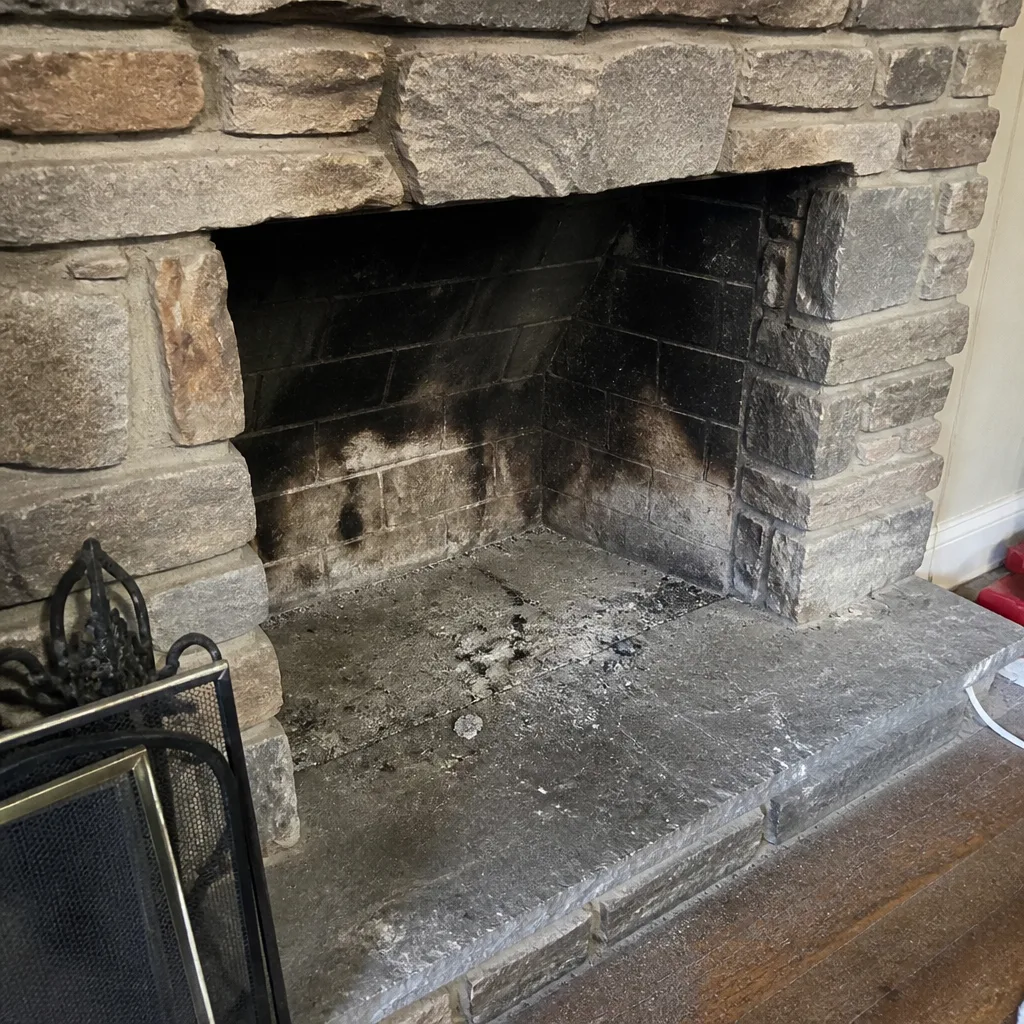 Before
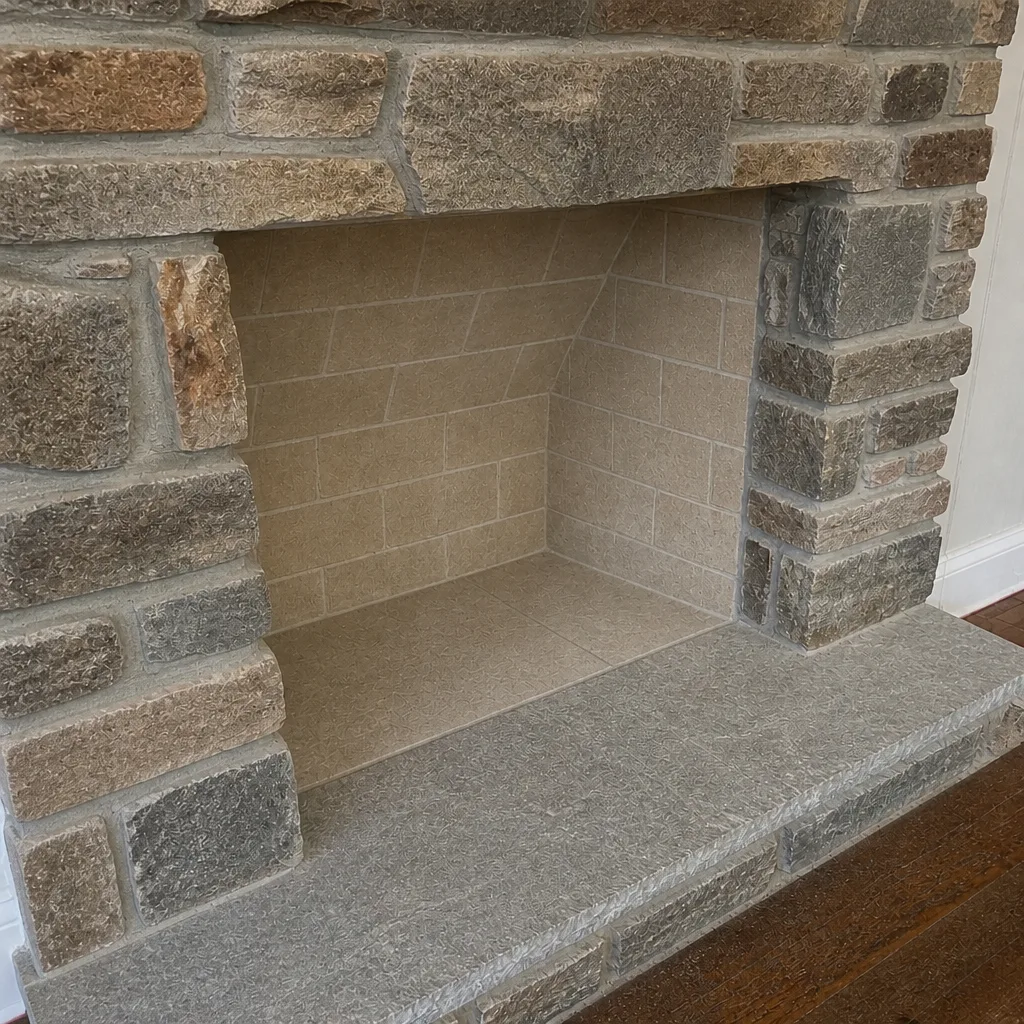 After
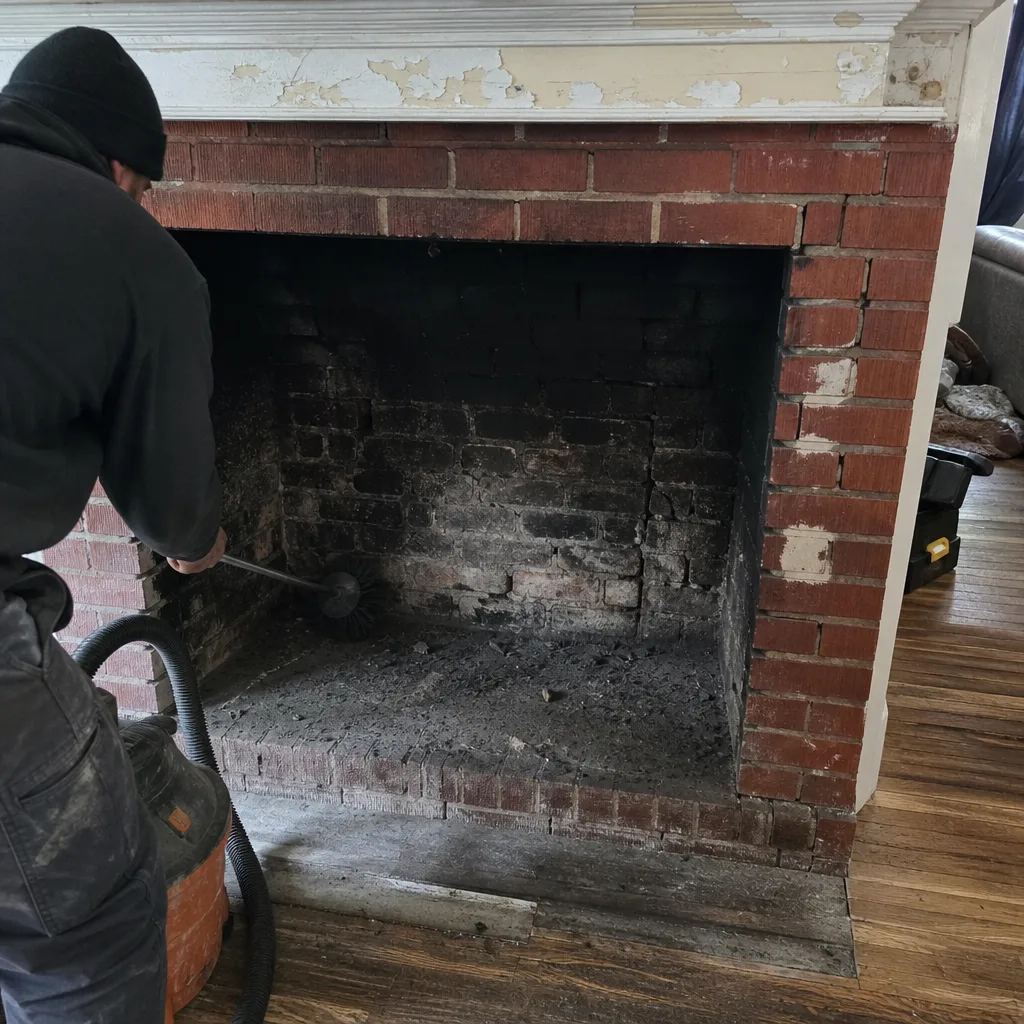 Before
 After
 Before
 After