
Last updated November 22, 2026
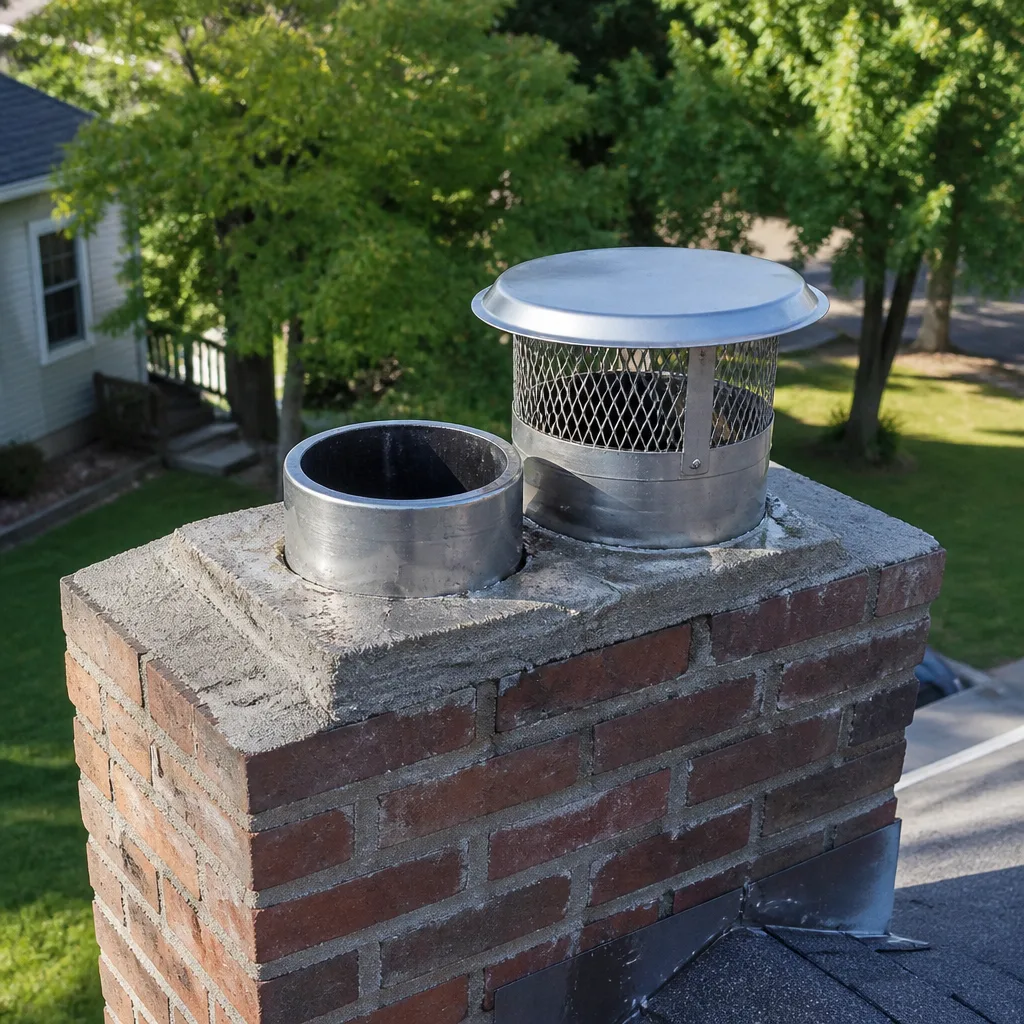 Sweep & inspection
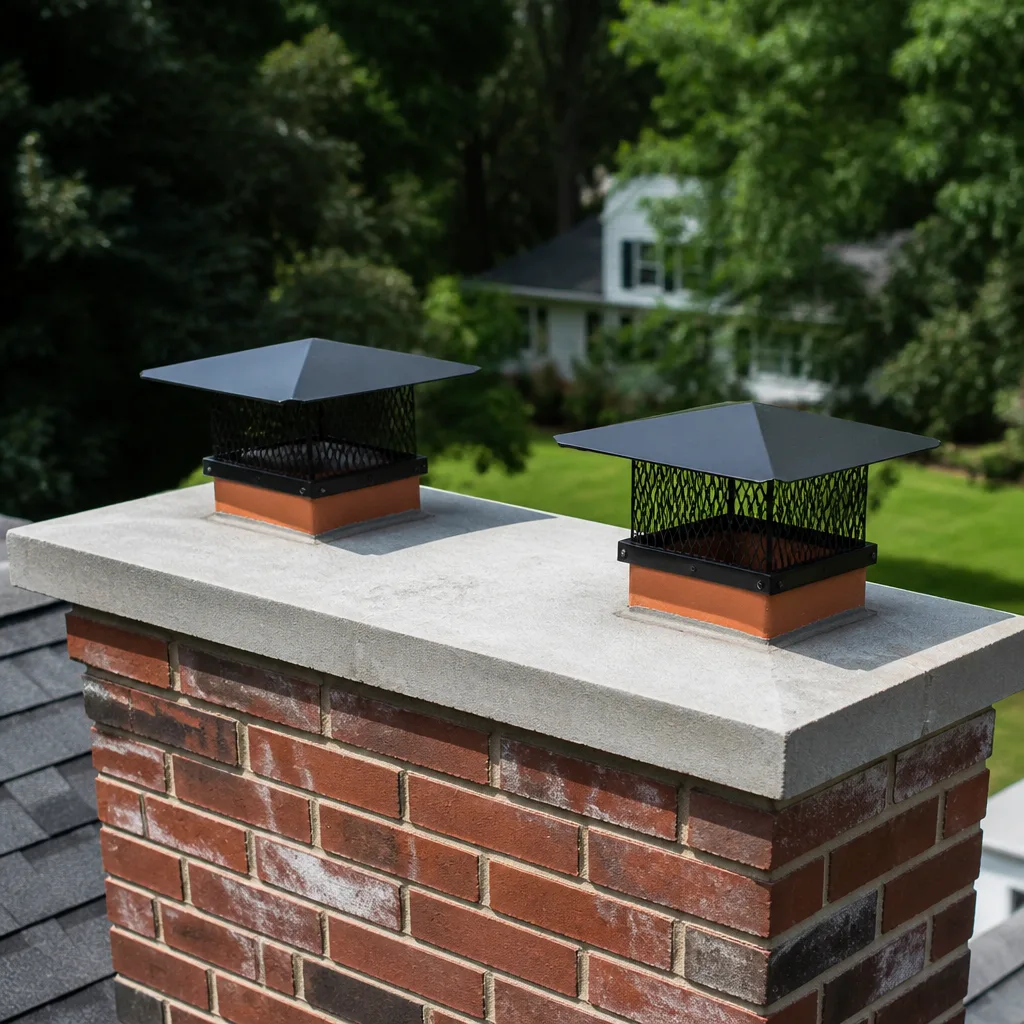 Caps & crowns
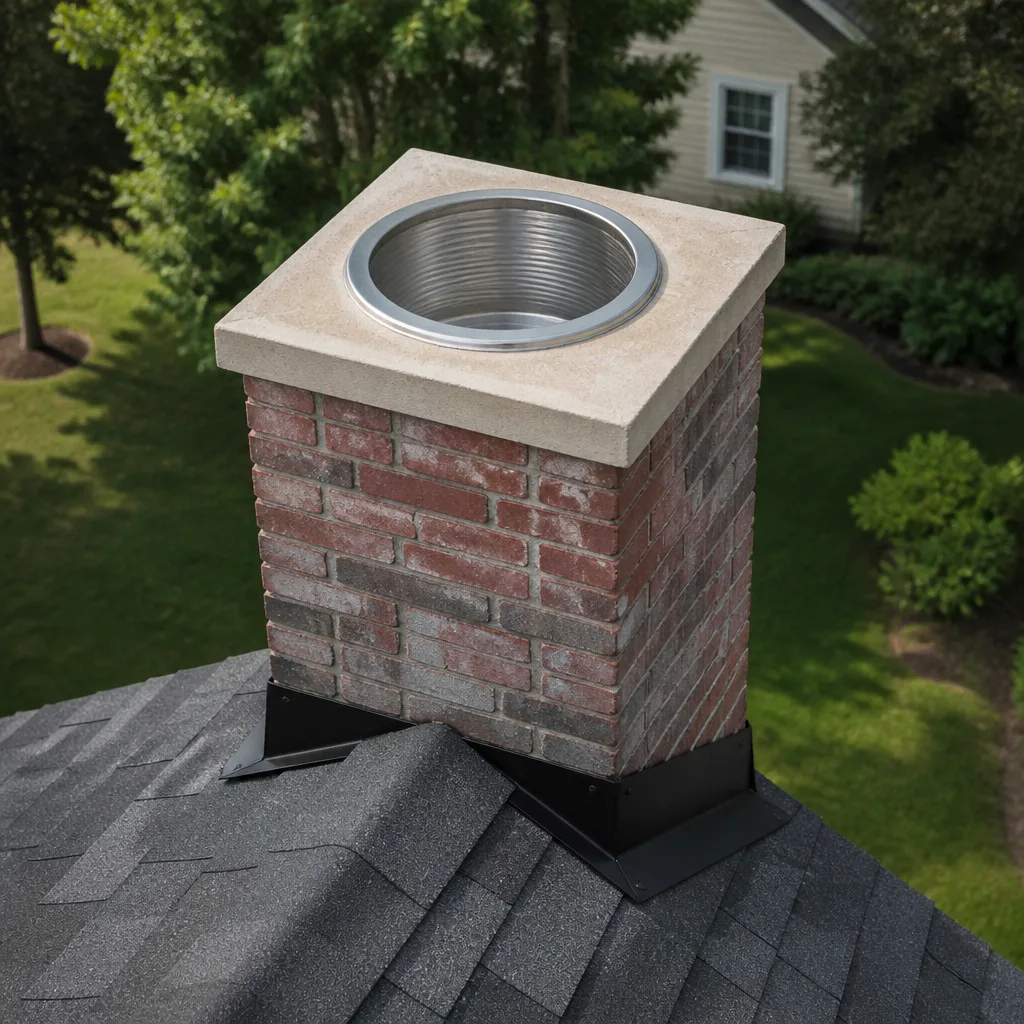 Flue relining
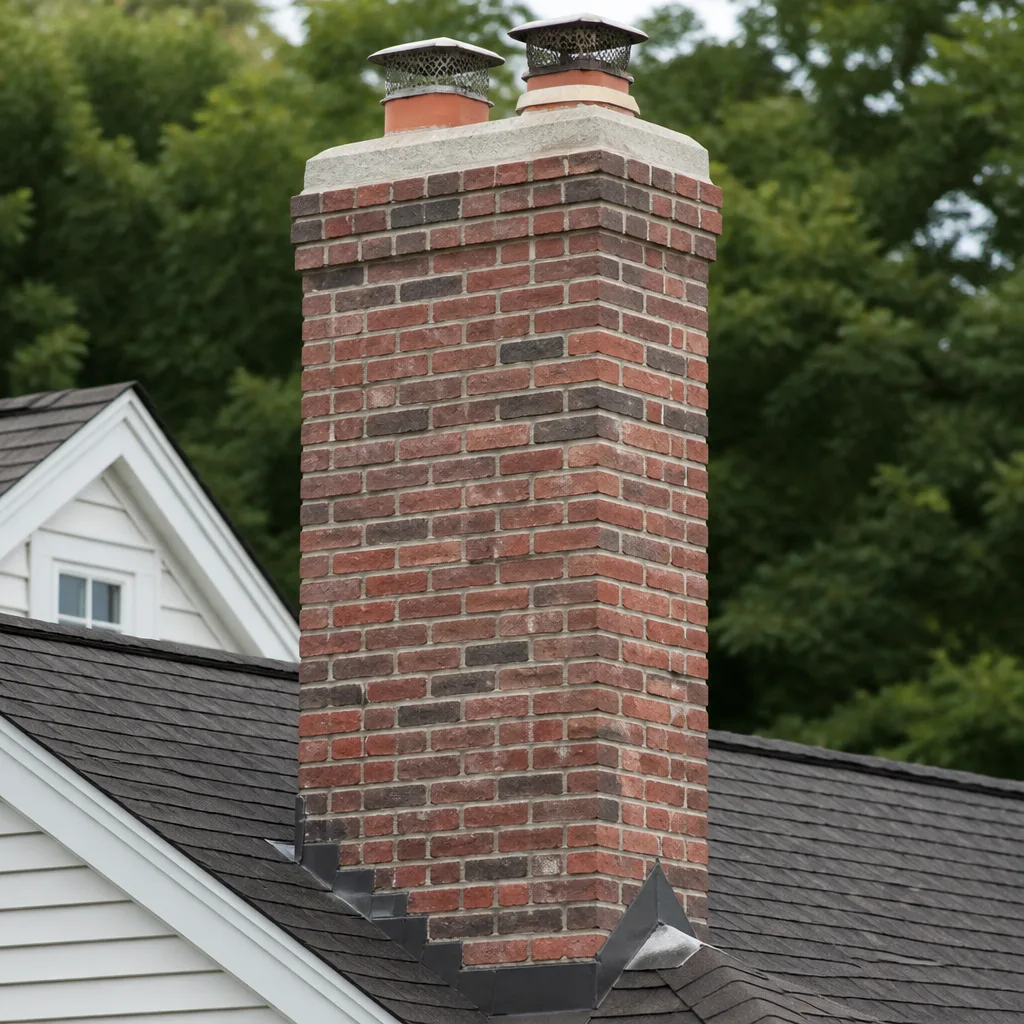 Masonry repair
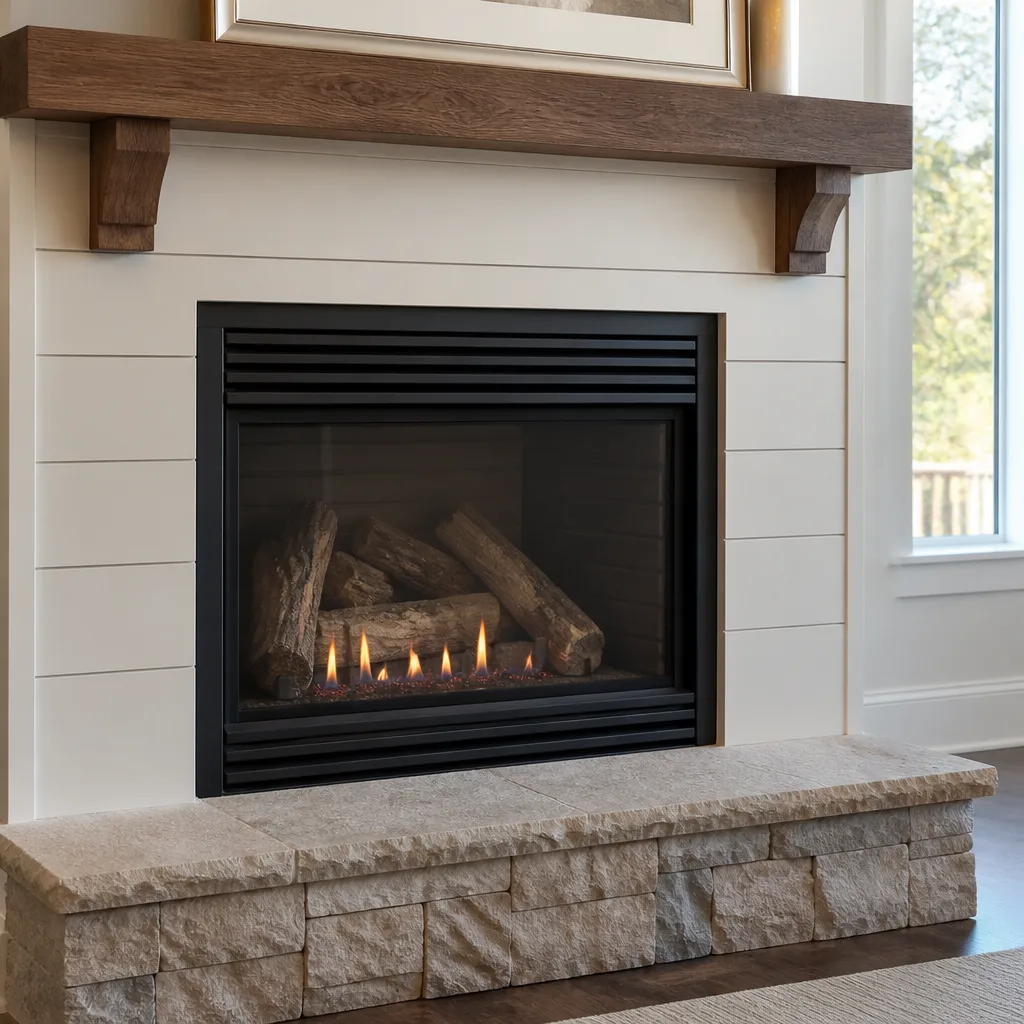 Gas fireplace service
Level 1 sweep and inspection to the NFPA 211 annual standard - flue, crown, cap, and flashing checked and photographed
Chimney sweep logs do not sweep chimneys. They loosen some creosote - which then falls where a brush and vacuum still have to collect it.
DIY vs Professional Chimney Cleaning: The Canarsie Homeowner’s Decision Guide
Brushing a flue yourself handles the soot you can see. It cannot tell you whether your liner is cracked, what stage your creosote has reached, or how your draft behaves under load, and those three things decide whether your chimney is safe to burn. That gap between cleaning and diagnosing is where most DIY decisions get made on the wrong basis. This guide maps exactly where a homeowner’s own work legitimately ends and where professional judgment has to begin. You’ll learn what you can safely check yourself in Canarsie, what needs rotary equipment and cameras, what the tool costs actually are, and how to decide without guessing.
Quick Answer
A homeowner can safely inspect the cap from the ground, test the damper, look at exterior mortar, and empty ash from the firebox. Actual flue cleaning, creosote staging, liner assessment, and draft testing belong to a professional sweep with rotary equipment and a camera. Quality brush sets, rods, and a HEPA vacuum capable of flue work run roughly $300-$600, which shrinks the DIY savings to almost nothing for a one-time job while leaving the diagnosis undone.
Styles & brands we work with
- Sweep & inspection
- Caps & crowns
- Flue relining
- Masonry repair
- Gas fireplace service
Table of Contents
- What You Can Legitimately Do Yourself
- What Requires Professional Equipment
- The Three Stages of Creosote and Why They Matter
- The Tool Cost Reality Check
- The Liability Gap: Why Documentation Matters
- Canarsie-Specific Risk Factors for DIY Cleaning
- How a Professional Sweep Actually Works
- A Decision Framework for Your Home
What You Can Legitimately Do Yourself
There’s real work a homeowner can do, and doing it well makes the professional visit shorter and cheaper. None of it involves putting a brush in the flue. Think of it as the walkaround a careful homeowner does before calling anyone.
From the ground, with binoculars, you can examine the chimney cap and spark screen. Look for a missing or rusted cap, a screen torn open, or birds nesting in the flue opening. A cap is the single most common entry point for water, and a damaged one is easy to spot from the yard. You can also look at the exterior mortar joints on the chimney stack. Crumbling mortar between the bricks, white chalky staining, or visible gaps are worth noting and describing when you call.
Indoors, you can operate the damper and confirm it opens, closes, and seats fully. A damper that sticks or won’t seal is a real finding. You can also remove ash from the firebox once the fire is fully out and the ash is cold, using a metal container with a lid. Ash removal keeps the firebox clear and makes the sweep’s job easier, but it does not touch the flue itself.
- Cap and screen inspection from the ground with binoculars
- Exterior mortar assessment on the visible chimney stack
- Damper operation check to confirm full open and full close
- Cold ash removal from the firebox into a lidded metal can
- Recording what you find in notes or photos to share with the sweep
What this list has in common: it all happens outside the flue. The moment you’re thinking about reaching into the chimney, you’ve crossed into the professional zone, and the reasoning there is covered in the next section.
What Requires Professional Equipment
The flue is where the real work is, and the tools for it are not the tools a homeowner buys. Rotary cleaning systems, closed-circuit cameras, smoke testing, and flue gas analysis on vented appliances all require equipment and the judgment to read what it shows.
- Rotary cleaning for stage 2 creosote. A standard hand brush removes loose soot. Glazed, hardened creosote needs a rotary head on flexible rods, run at controlled speed, so the flue surface is cleaned without damaging the liner.
- Closed-circuit camera inspection. A camera run down the flue shows cracks, gaps, missing mortar joints, and liner separation that no amount of brushing reveals. This is how a sweep knows whether the flue is sound.
- Smoke draft testing. A test smoke charge confirms the chimney pulls correctly. Poor draft means smoke and carbon monoxide can back into the living space instead of leaving the house.
- Flue gas analysis on vented appliances. For chimneys serving a boiler or furnace alongside a fireplace, combustion analysis confirms the appliance is venting safely and not spilling exhaust indoors.
Each of these answers a question brushing can’t. A brush tells you the flue is cleaner than it was. A camera and a draft test tell you whether it’s safe to use, which is the question that actually matters before the heating season. In our experience, the homeowner who brushes diligently and skips the inspection is the one most likely to be surprised by a finding that a camera would have caught months earlier.
For the flue work itself, we use professional-grade components. When a liner needs attention, we work with chimney repair materials like DuraFlex flexible liner systems, and for damaged flue interiors we apply HeatShield resurfacing rather than defaulting to a full liner replacement. Those are trade-standard materials, not hardware-store substitutes, and the difference shows up in how long the repair lasts.
The Three Stages of Creosote and Why They Matter
Creosote is the residue left behind when wood smoke cools in the flue, and it builds up in three recognizable stages. Knowing them explains why a brush alone isn’t a cleaning plan.
Stage 1 is light, flaky soot that a brush removes easily. Stage 2 is a hardened, crusty, sometimes glazed deposit that clings to the flue wall and needs rotary equipment and more time. Stage 3 is a dense, glazed, tar-like coating that’s the hardest to remove and the most concerning to find, because it’s highly combustible and can ignite.
You cannot reliably tell Stage 1 from Stage 3 by looking up from the firebox. The camera sees it. The rotary head addresses it. That’s the practical reason creosote staging is a professional judgment and not a homeowner self-assessment. It’s also why a sweep’s report carries a stage notation: it tells you what you’re burning against and how often the flue needs attention.
- Stage 1: light soot, brush-clean, low risk if removed on schedule
- Stage 2: hardened or glazed crust, needs rotary cleaning, higher risk
- Stage 3: dense glazed tar, hardest to remove, most combustible
The takeaway for a Canarsie homeowner: the value of a professional chimney sweep isn’t the brushing, it’s the staging and the plan that follows. A flue with Stage 1 soot and a sound liner is a routine job. A flue with Stage 2 glazing over a cracked liner is a different conversation entirely, and one you want to have before the first cold snap.
The Tool Cost Reality Check
Here’s the part DIY guides rarely say plainly. The tools to clean a flue correctly aren’t a $40 brush from a hardware store. A quality brush set sized to your flue, a set of rods sturdy enough to reach the full run, and a HEPA vacuum capable of capturing fine soot without blowing it back into the room run roughly $300-$600. For a one-time job, that’s the entire savings margin gone before you’ve addressed the diagnosis.
Ask yourself what you’re buying with that money. The tools get the flue partially cleaned once. They don’t tell you the liner condition, they don’t stage the creosote, and they don’t test draft. The savings evaporate when you factor in the cabinetry or drywall you trust the vacuum to protect, and they disappear entirely if the DIY attempt misses a glazed patch because the brush couldn’t reach it.
| DIY Approach | Professional Sweep |
|---|---|
| Brush set, rods, HEPA vacuum: roughly $300-$600 | Booked visit with rotary equipment, camera, and draft test |
| Cleans soot you can reach; no staging or liner assessment | Sweeps the full flue, stages creosote, inspects the liner |
| No written record of condition | Written inspection and photo record of the flue |
| One-time use for most households | Service you book on a schedule matched to your burning |
| No path to repair if something is found | Same company assesses, quotes, and does the repair |
We’ve seen homeowners buy the gear, clean once, then store it because the job was harder and messier than expected. The honest math is that for most Canarsie households burning through the season, the professional visit is the lower-cost, more useful choice.
The Liability Gap: Why Documentation Matters
This is the part most homeowners don’t think about until they need it. A professional sweep leaves a written record: date, what was found, what was cleaned, and the condition of the liner. That record matters if you ever file a homeowner’s insurance claim tied to a chimney-related incident, because it shows the chimney was inspected by a qualified party and what condition it was in.
A DIY cleaning leaves no such trail. If a chimney fire or a smoke or carbon monoxide event follows, the insurer will look for evidence of maintenance, and “I brushed it myself” isn’t the same as a dated inspection report. We’re not making an insurance claim for you, but we do make sure the record exists, and in our experience that documentation is worth as much as the cleaning itself.
There’s a second reason the record matters: it establishes a baseline. If a crack in the liner is documented this season and worsens next, you have a clear history. If the flue was never inspected, there’s no way to know when a problem started or whether it’s new. For a home in the older Canarsie housing stock, that baseline is worth having from the first winter you own the place.
Canarsie-Specific Risk Factors for DIY Cleaning
Canarsie has housing characteristics that make a professional sweep more valuable, not less. Much of the neighborhood’s housing was built before 1980, which means the chimney in many Canarsie homes predates modern liner materials. If you don’t know the liner history, a camera inspection is the only way to find out what’s actually inside the flue.
Older flue tiles in these homes are prone to hairline cracks that don’t show up from above or below. Those cracks let heat and gases reach combustible framing, and a brush can’t find them. A camera can, and that’s the difference between a cleaning and a diagnosis.
The other factor specific to Canarsie is the number of chimneys serving more than one appliance. A single chimney flue can vent both a fireplace and a boiler, and mixed-use flues carry a different set of draft and venting considerations than a fireplace-only chimney. A brush doesn’t tell you whether two appliances are venting correctly together. A flue gas analysis does.
- Pre-1980 housing stock: unknown liner history, so a camera inspection is the starting point
- Older flue tiles: prone to hairline cracks a brush can’t detect
- Mixed-use chimneys: fireplace and boiler sharing a flue need venting analysis, not just cleaning
None of that means every Canarsie home needs work. It means the cheap DIY cleaning is more likely to miss the thing that matters in this housing stock. We connect Canarsie homeowners with local professionals who sweep, inspect, and can do chimney cap & crown work so the whole chimney is protected, not just the visible part of the flue, and we name what we install so you know exactly what’s protecting your home.
How a Professional Sweep Actually Works
A good sweep follows a sequence, and knowing it helps you judge what you’re paying for. It also shows you why the brush stroke is only one step in the process.
- Exterior and interior survey. The sweep checks the cap, crown, flashing, and visible mortar, then the firebox and damper inside, noting anything that looks off before touching the flue.
- Protection of the living space. Drop cloths and a HEPA vacuum are set up so soot stays in the chimney, not on your floor.
- Flue cleaning. Rods and a properly sized brush run the full length of the flue. For hardened deposits, a rotary head does the work rather than a hand brush.
- Camera inspection. A closed-circuit camera runs the flue to check liner integrity, tile condition, and any obstructing nests or debris.
- Draft and venting check. A smoke test confirms the pull, and for chimneys serving an appliance, flue gas analysis confirms safe venting.
- Written report and photo record. The findings go on paper so you have documentation and a clear statement of what, if anything, needs repair.
Notice that cleaning is step three of six. The survey before it and the inspection after it are what turn a cleaning into a real assessment. When we send a local pro, the report includes photo evidence of the flue, so you’re looking at what the camera saw, not taking a verdict on faith. That matters when the recommendation is a repair, because nothing gets suggested without camera evidence you can see for yourself. And when a repair is needed, the same company that found it is qualified to do it, so you’re not handed off to a second contractor. A sweep without an inspection is a missed diagnosis, and it’s the reason we treat the two as one job.
A Decision Framework for Your Home
Use these questions to decide quickly. The answers point to either DIY-only checks or a professional sweep, and they’re honest about which is which.
- Do you know your flue’s liner history? If you don’t, start with a professional camera inspection. A brush can’t answer this.
- Have you burned through at least one full heating season? If so, book a sweep and inspection before burning season starts.
- Does the chimney serve more than a fireplace? A boiler or furnace on the same chimney means venting analysis, which is professional territory.
- Are you buying or insuring the home? A documented inspection gives you the record you’ll want for insurance and resale.
- Do you only want to keep the firebox tidy? Then cap inspection, damper check, and ash removal are yours to do, and the flue is still the pro’s job.
If more than a couple of these point to the professional side, the decision is made for you. The reason is simple: chimney problems don’t get cheaper when you wait, and the inspection is what lets you decide between a routine cleaning and a repair while the repair is still small.
Common Mistakes to Avoid
- Brushing a flue without inspecting it. The brush cleans what it touches and tells you nothing about liner cracks. Skip the camera and the cleaning can hide a problem instead of revealing it.
- Cleaning with a hardware-store brush on a flex-rod. An undersized or too-stiff brush can scrape a liner and misses glazed creosote the rotary head would remove. A brush sized to the flue matters as much as the cleaning itself.
- Assuming older Canarsie flue tiles are fine because nothing’s happened. Hairline cracks often stay quiet until they don’t. The camera is how you confirm condition in pre-1980 housing rather than assuming it.
- Cleaning only the firebox and calling it maintenance. The flue is where creosote builds and where the risk lives. A spotless firebox with a dirty, uninspected flue is the classic false comfort.
- Skipping the cap and crown check. Water intrusion from a failed cap or crown does the slow damage that leads to structural repair. It’s easy to inspect from the ground and worth doing every season.
- No written record of the cleaning. A DIY sweep has no date and no findings, which you may need for insurance. A professional report gives you the paper trail.
- Letting a multi-appliance chimney go without a draft check. A mixed-use flue that isn’t venting correctly can spill exhaust indoors silently. Flue gas analysis is the only way to know.
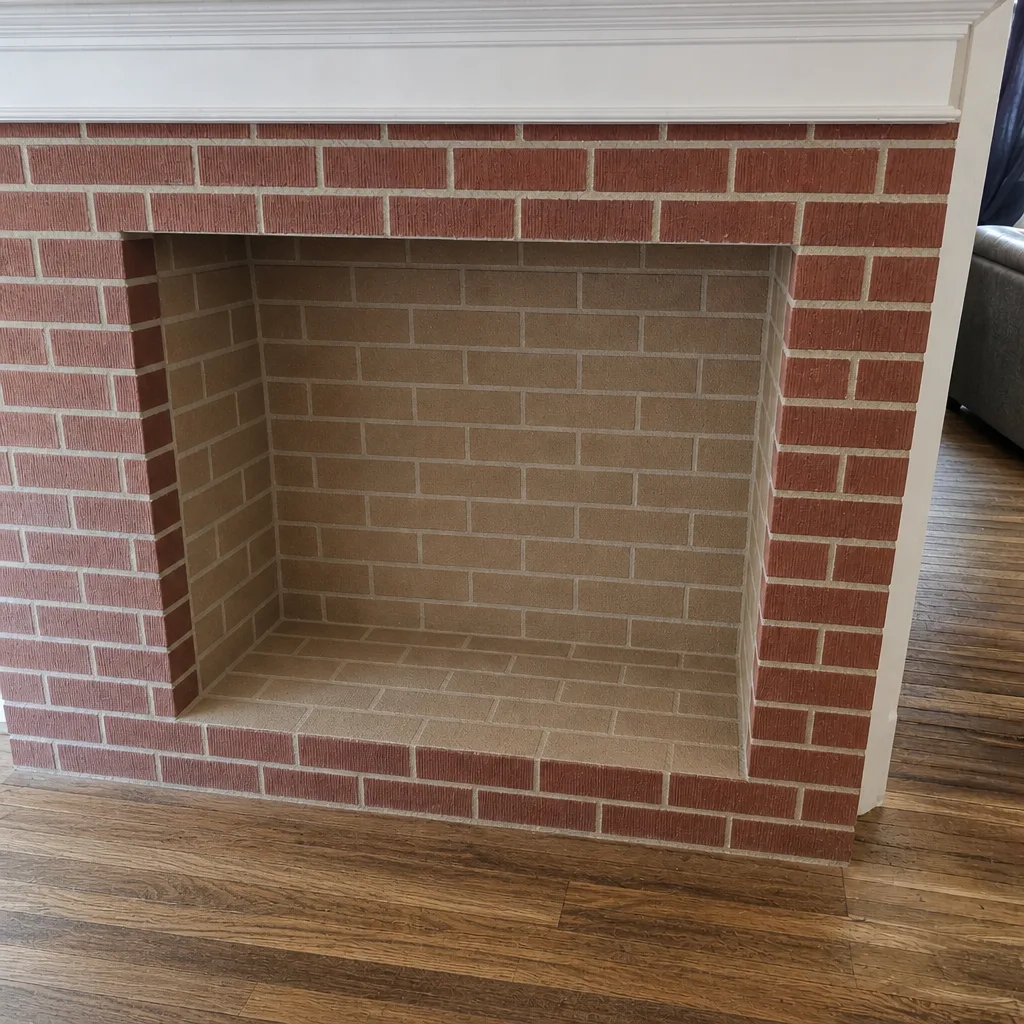
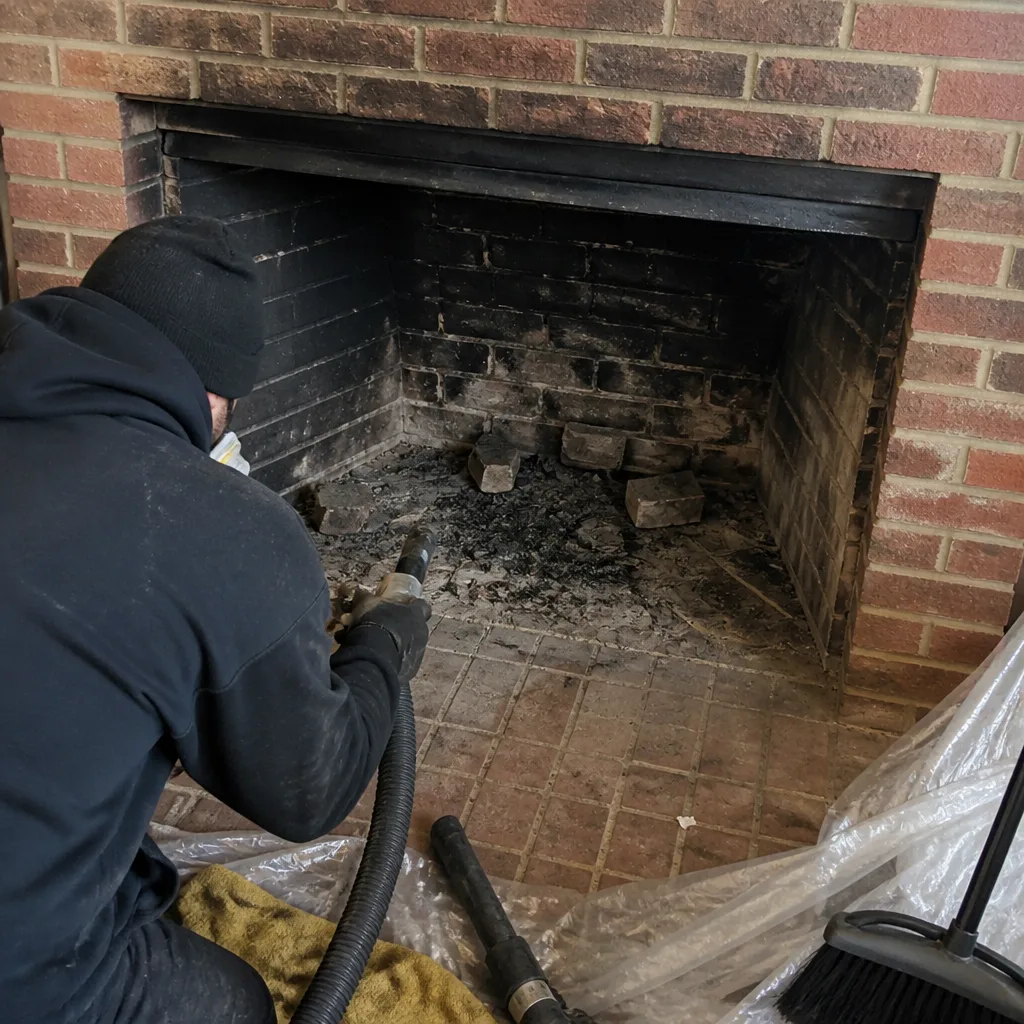
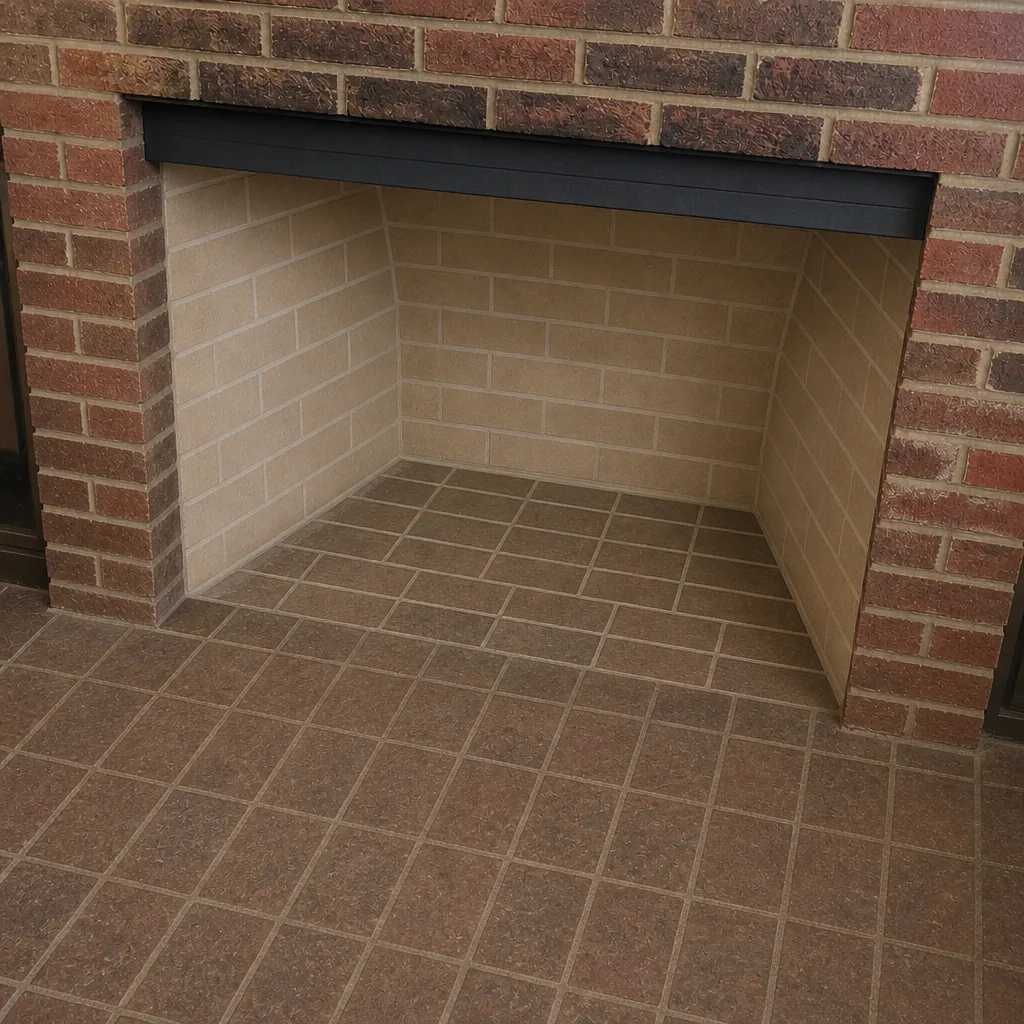
See the difference
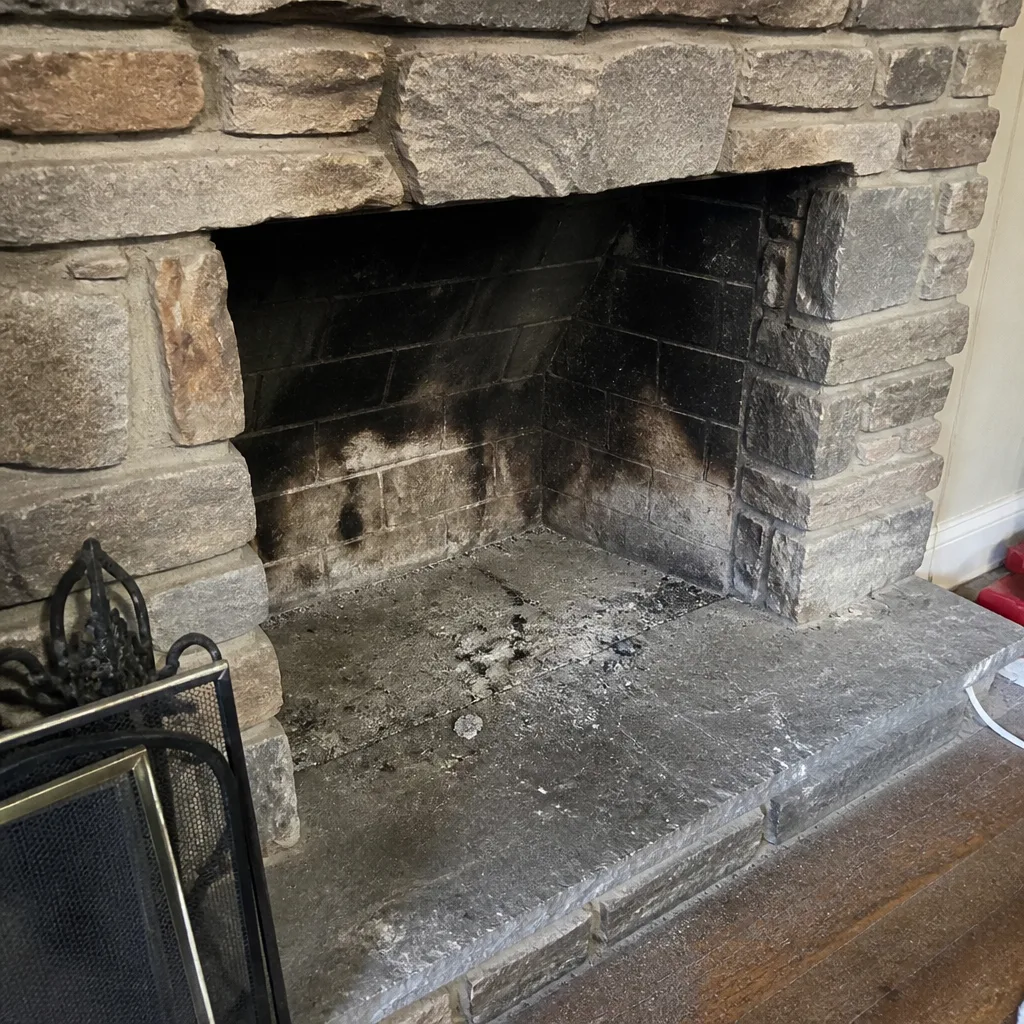 Before
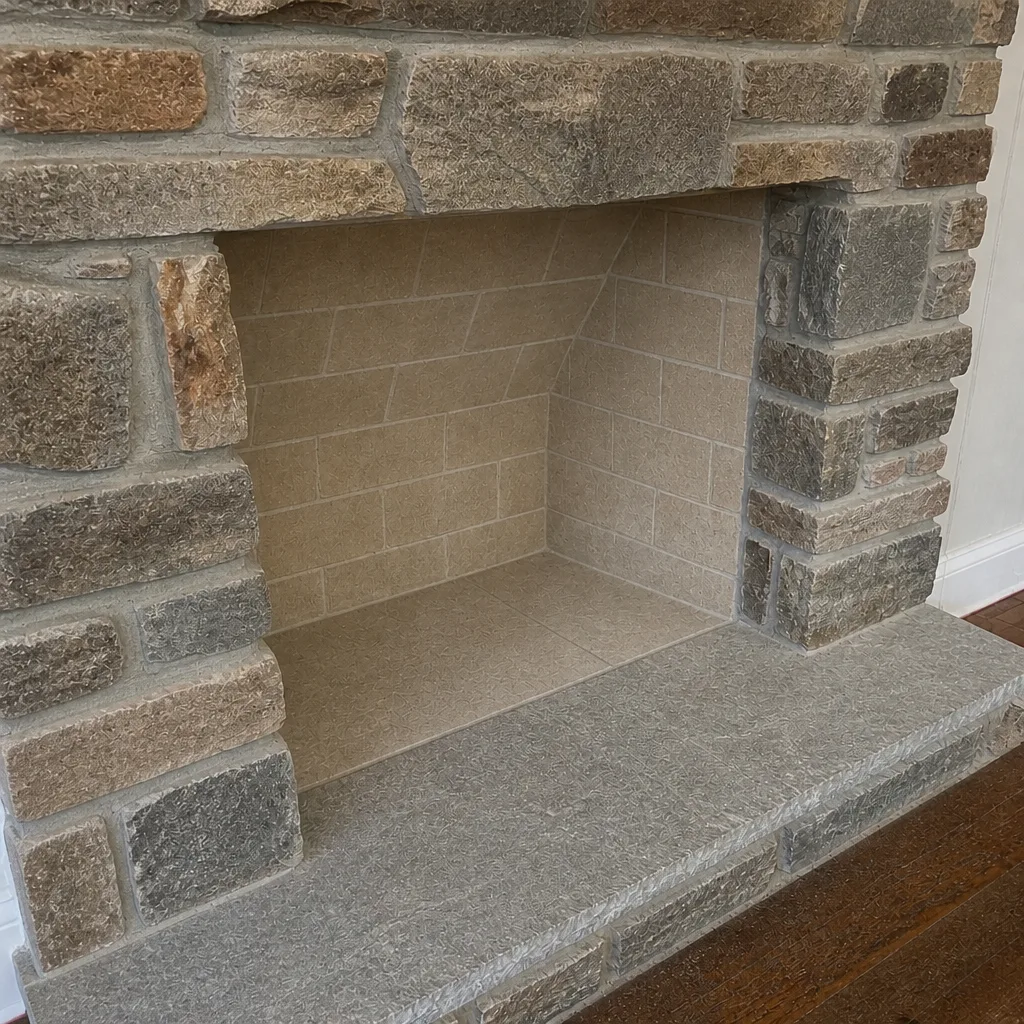 After
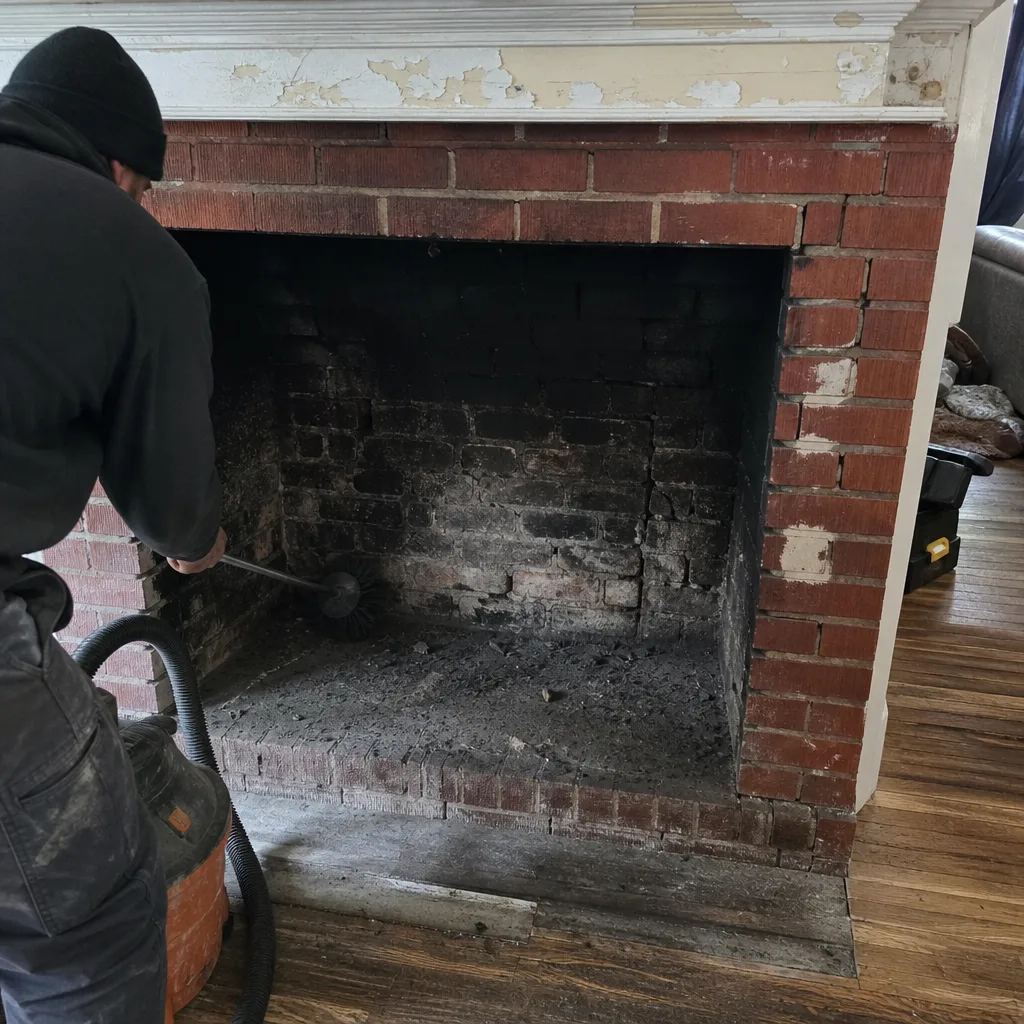 Before
 After
 Before
 After
When to Call a Professional
Call a professional when you don’t know your liner history, when the chimney serves a boiler or furnace alongside a fireplace, when you’ve burned through a season without an inspection, or when you’re buying or insuring a home and need documentation. The same is true if you found a damaged cap, a rusted screen, or crumbling mortar on the exterior, because those findings mean the flue should be looked at properly rather than patched from the yard. For a routine cleaning on a single fireplace you know well, you can still book a sweep and let the inspection come with it. A local licensed chimney professional from Chimney Sweep Canarsie handles both the sweep and the repair under one roof, so you’re not chasing a second contractor. Chimney Sweep Canarsie offers free estimates in Canarsie; call (833) 508-9953 to get one. We answer 24/7, with fast dispatch from 7am to 7pm, Sunday through Friday.
Frequently Asked Questions
You can clean the parts you can reach safely, which means inspecting the cap from the ground, checking the damper, and removing cold ash from the firebox. Cleaning the flue itself is where DIY ends, because you need rotary equipment, a camera, and a draft test to know whether the chimney is safe, not just tidier. Call (833) 508-9953 for an exact quote on a professional sweep: estimates are free.
A professional sweep in Canarsie is priced per job by a written estimate, and the estimate is free, so the figure that matters is your own. The DIY alternative isn’t free either: brush sets, rods, and a HEPA vacuum capable of flue work run roughly $300-$600 for a one-time job. Call (833) 508-9953 and we’ll give you a flat estimate before you book.
You need a new liner only if the camera shows the old one is cracked, separated, or failing, and nothing is recommended without camera evidence you can see for yourself. If the flue is sound, a cleaning is the whole job. When resurfacing can save a damaged flue, we use HeatShield rather than defaulting to replacement, and we’ll say plainly when work can safely wait. Call (833) 508-9953 with your camera report and we’ll walk you through it; estimates are free.
Most households that burn regularly should have the flue swept and inspected once a year, ideally before the heating season starts. If you burn heavily or notice draft problems, more frequent checks are worth it. The inspection tells you what your specific use pattern requires. Call (833) 508-9953 to book a sweep and get the inspection in the same visit.
Creosote builds in stages, and heavier deposits are more combustible and harder to remove, while a small liner crack can go unnoticed until it’s a larger repair. Skipping also leaves you without a documented inspection history, which matters for insurance. None of that means a problem is certain, but the risk grows quietly. Call (833) 508-9953 for an inspection; estimates are free.
A DIY cleaning leaves no written record of the chimney’s condition, which can complicate a claim tied to a chimney incident because the insurer will look for evidence of maintenance. A professional sweep provides a dated report and photo record the insurer can read. We can work with your insurer on the documentation side. Call (833) 508-9953 to schedule an inspection and get the record in place.
The Bottom Line
The DIY chimney cleaning decision isn’t about whether you can hold a brush. You can. It’s about what happens after the brush, and that’s where the risk and the value both live. A homeowner can inspect the cap, test the damper, and clear ash. Actual flue cleaning, creosote staging, liner assessment, and draft testing need a professional with rotary equipment and a camera. The tools run roughly $300-$600, the savings evaporate for one-time use, and the diagnosis stays undone. For older Canarsie housing with unknown liner history and possible mixed-use chimneys, a professional sweep and inspection is the more useful dollar spent. Call (833) 508-9953 for a free estimate. We answer 24/7. Fast dispatch from 7am to 7pm, Sunday through Friday.
Written by the team at Chimney Sweep Canarsie.