
Last updated November 22, 2026
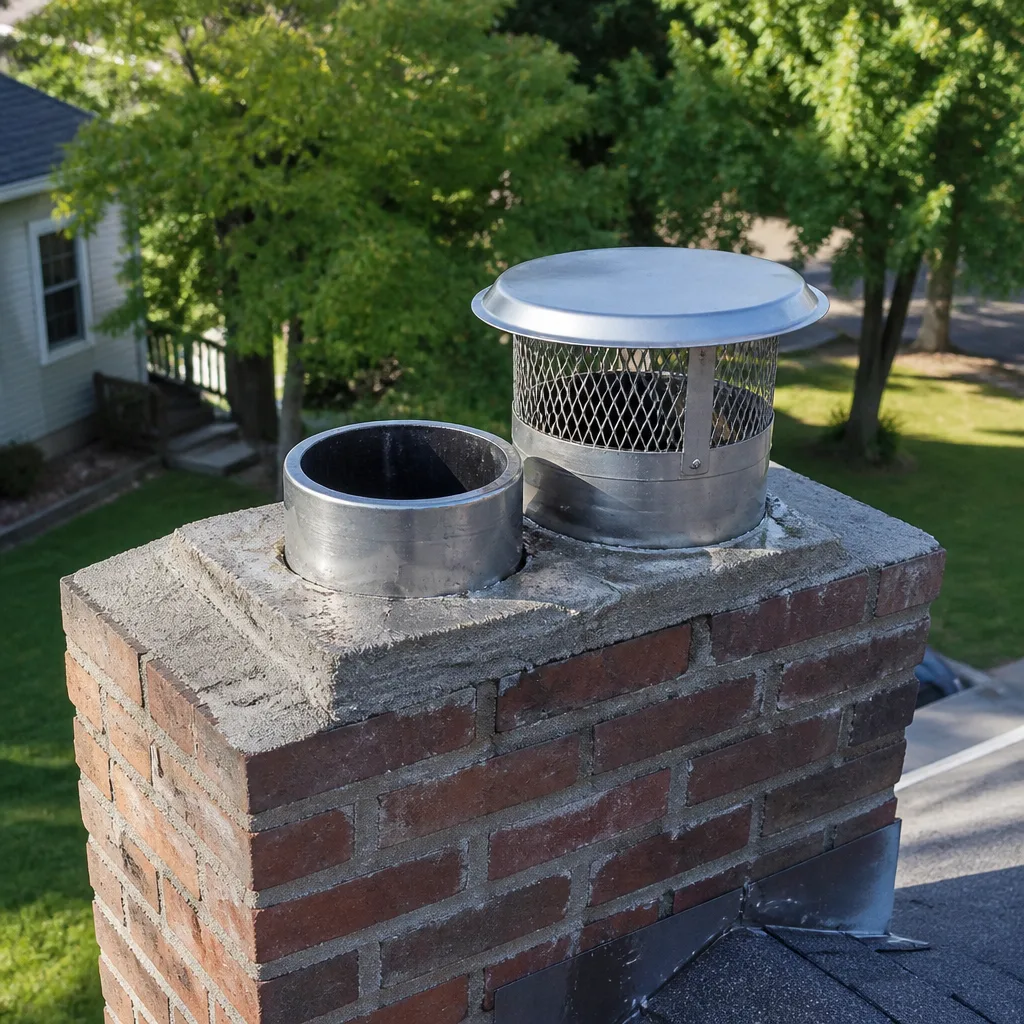 Sweep & inspection
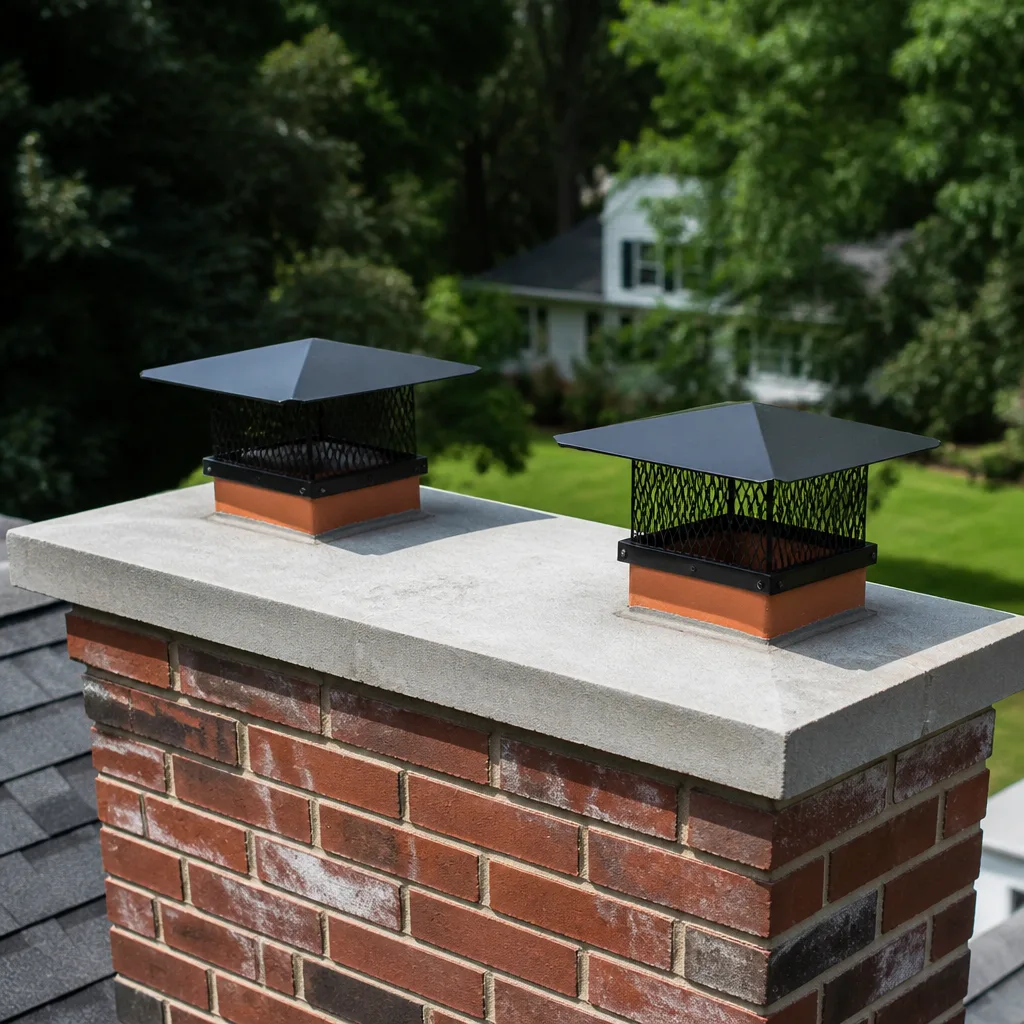 Caps & crowns
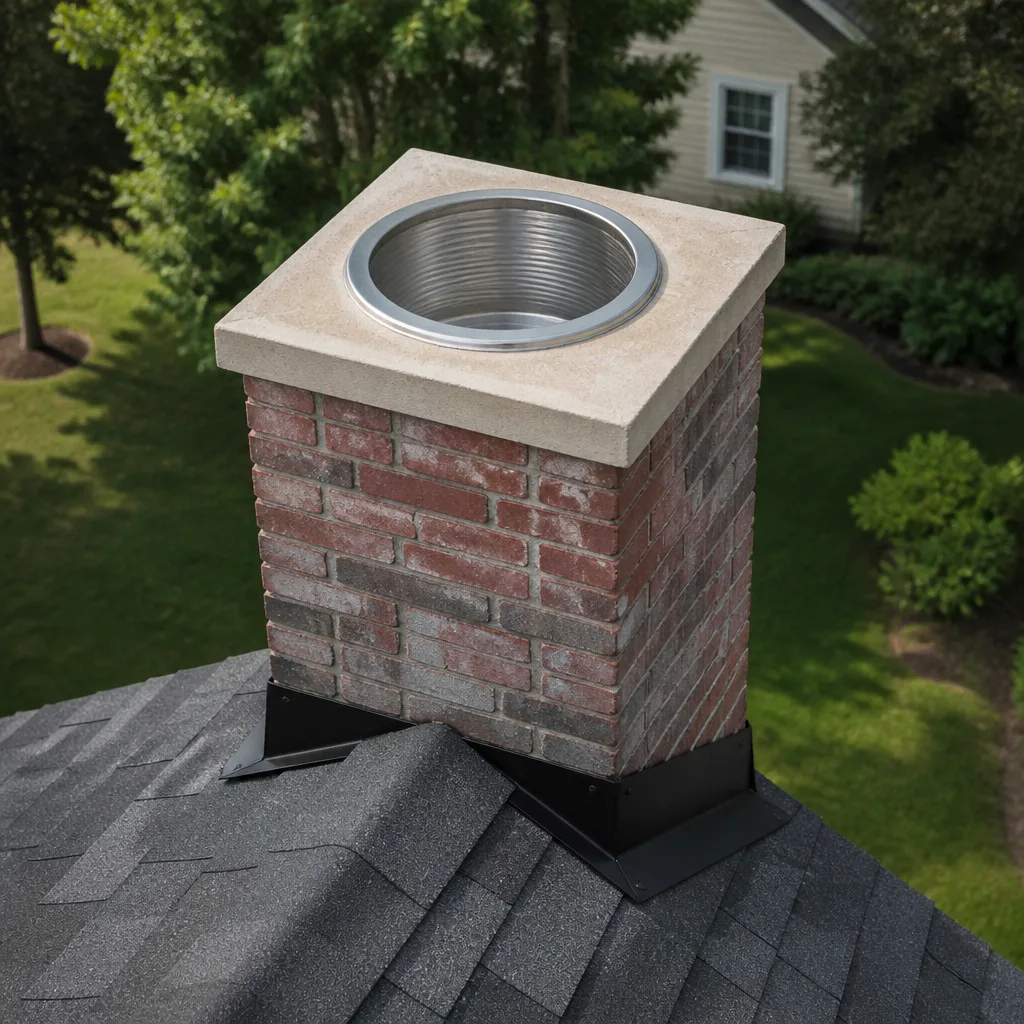 Flue relining
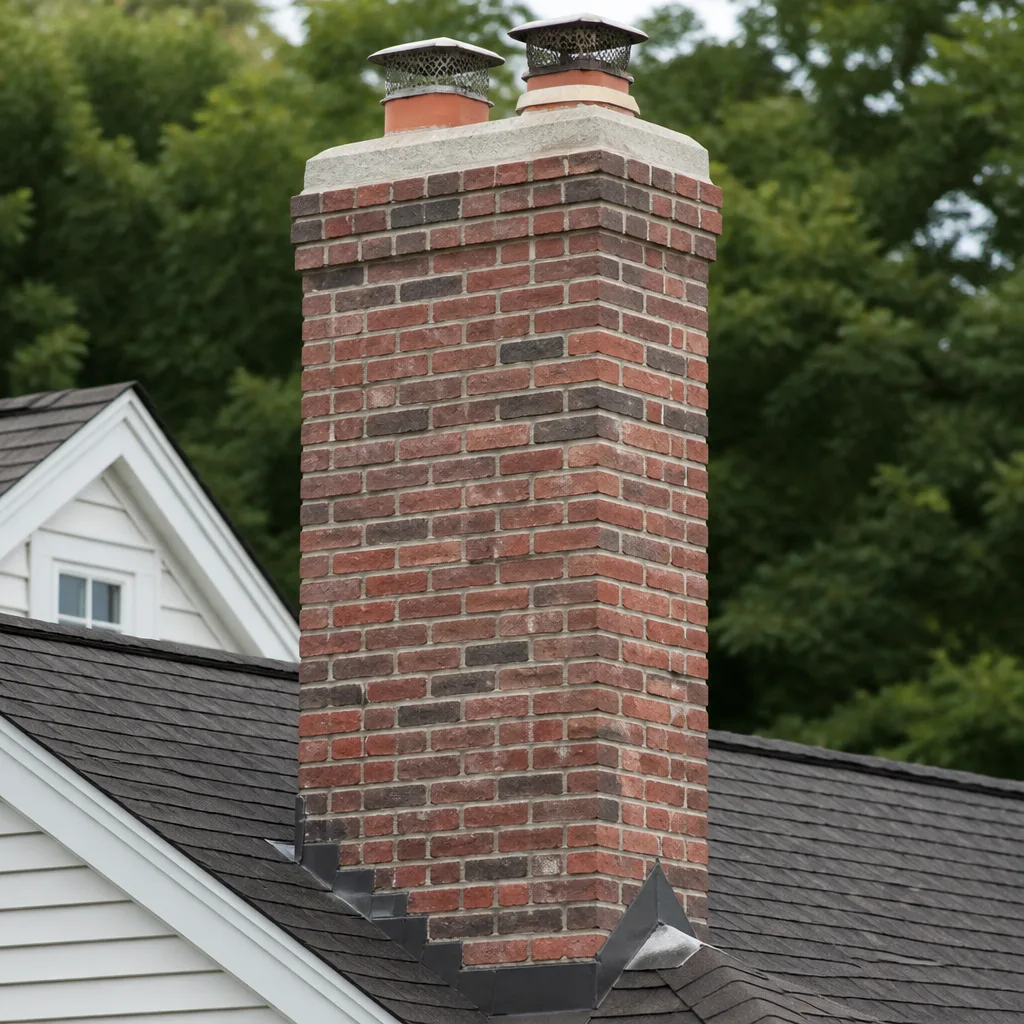 Masonry repair
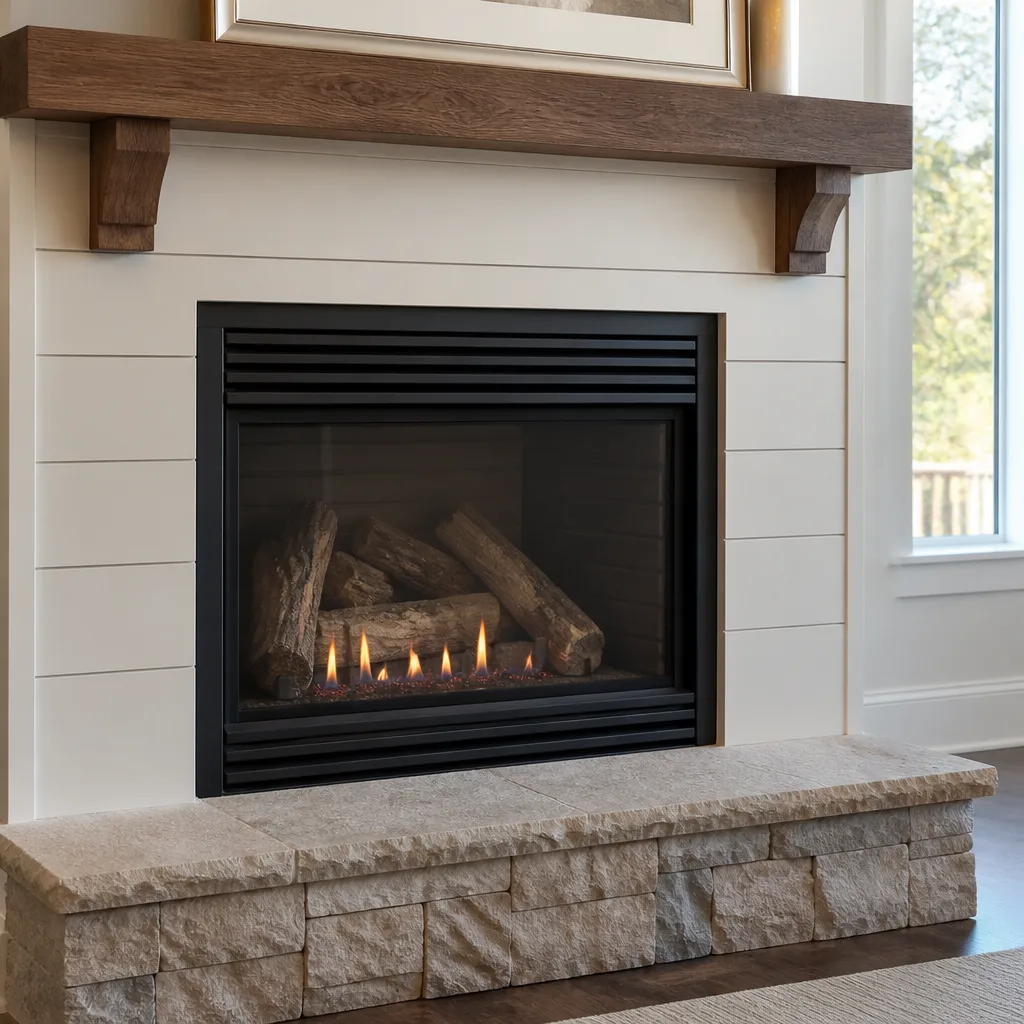 Gas fireplace service
Level 1 sweep and inspection to the NFPA 211 annual standard - flue, crown, cap, and flashing checked and photographed
Chimney sweep logs do not sweep chimneys. They loosen some creosote - which then falls where a brush and vacuum still have to collect it.
How to Hire a Chimney Cleaning Contractor in Canarsie: A Step-by-Step Guide
Most homeowners in Canarsie hire a chimney contractor the way they hire a locksmith: something went wrong, they search, they call whoever answers first. That is the wrong sequence, and it is why so many of these relationships start under pressure and end in doubt. The job looks simple from the curb – a truck, a brush, a vacuum. But the brush is the easy part. What separates a real chimney professional from a guy with a ladder is what happens after the brush comes out: the inspection, the written findings, the capacity to fix what’s found, and the credentials to prove it all in writing. This guide walks you through how to hire a chimney cleaning contractor in Canarsie step by step, so you can tell the difference before anyone climbs onto your roof.
Quick Answer
To hire a chimney cleaning contractor in Canarsie, verify three things in this order: a CSIA Certified Chimney Sweep number you can look up on csia.org, proof of liability insurance with a certificate that names you as the homeowner, and a written service scope that covers inspection as well as cleaning. Then ask one more question: can the contractor who finds a problem fix it themselves? If the answer is no, you’re looking at a subcontracted repair with markup and a finger-pointing problem waiting to happen. Our technicians have up to 8 years of experience, and we treat those three checks as the floor, not the ceiling.
Styles & brands we work with
- Sweep & inspection
- Caps & crowns
- Flue relining
- Masonry repair
- Gas fireplace service
Table of Contents
- Step 1: Verify CSIA Certification
- Step 2: Check the Contractor’s Legal Standing
- Step 3: Confirm the Insurance Certificate
- What a Legitimate Pre-Work Conversation Should Include
- How to Evaluate the Quote Itself
- Ask Whether the Contractor Can Fix What They Find
- Canarsie-Specific Vetting
- Common Mistakes to Avoid
- When to Call a Professional
- Frequently Asked Questions
What Makes Hiring a Chimney Contractor in Canarsie Different?
Canarsie is not a chimney town in the historic New England sense, where flues were built into the original housing stock and have been swept for a century. Most of Canarsie’s housing was built in a compressed window during the mid-twentieth century, which means the chimneys here are of a similar vintage and construction: masonry flues with a similar mix of unlined and clay-tile-lined interiors, and a similar record of decades of use. When you hire a contractor in Canarsie, you need someone who understands that housing pattern and the specific problems it produces – not a sweep from a neighboring market who assumes every flue is the same.
Canarsie also sits where a lot of homeowners are first-time or recent buyers, often of older homes where the previous owner’s maintenance history is unclear. A fireplace that looks fine from the living room can have a heavily glazed flue interior, a cracked crown, a missing cap, or years of neglect behind it. That makes inspection-first pricing more valuable here than in a market where homes have full maintenance paper trails. When someone quotes you a flat sweep by phone without asking a single question about the chimney, that’s worth noting. In our experience, the sweep-only quote is usually the beginning of the real conversation, not the end.
One more local consideration: Canarsie is dense, with rowhouses and semi-detached homes packed close together. When a chimney crown fails or a cap goes missing, water intrusion does not stay neatly within one property. That’s a good reason to take cap and crown work seriously here, and to choose a contractor who treats it as part of chimney care rather than an upsell. If your neighbor’s chimney is failing, it’s worth getting yours looked at too before the next freeze.
Step 1: Verify CSIA Certification
CSIA certification is not a gold star. It is a baseline. The Chimney Safety Institute of America certifies sweeps through an exam and a code of ethics, and the certification is tied to a verifiable number you can look up in their online directory. That number is the first thing you should request, and the first thing you should actually look up. A contractor who cannot produce a CSIA number, or whose number doesn’t resolve when you search it, is telling you something.
Here is how to verify, in order:
- Ask for the CSIA Certified Chimney Sweep number on the call, not after the job is booked.
- Go to csia.org and search the directory yourself.
- Confirm the name on the certification matches the company that will actually be doing the work – not a parent company or franchisee.
- Ask whether every technician on the job is certified, or only the owner. The answer matters when a crew of two or three shows up.
In our experience, the certification itself rarely surprises anyone. What catches homeowners off guard is that a company will advertise a CSIA logo while sending uncertified technicians to do the work. So ask the second question, not just the first. The certification is the beginning of the vetting, not the end of it.
Beyond CSIA, look for membership in the National Chimney Sweep Guild (NCSG). It is not required, but it signals a contractor who invests in the trade beyond the minimum. Neither credential tells you whether the person who shows up is competent. Together they tell you the company has at least made a commitment to a standard. That’s the floor you should accept.
Step 2: Check the Contractor’s Legal Standing
New York State requires home improvement contractors to be licensed, and New York City has its own home improvement contractor licensing regime administered by the Department of Consumer and Worker Protection. Ask for the license number, then check it against the DCWP’s online license lookup. A contractor who cannot or will not provide a license number for work of this value is a contractor you should not hire, no matter how attractive the price.
The other half of legal standing is insurance. This is where most homeowners stop short and where most of the real risk lives:
- General liability insurance – covers damage to your home if a ladder falls, a tarp slips, or a technician cracks masonry while working on your roof.
- Workers’ compensation insurance – covers the technician if they’re injured on your property. Without it, you can be exposed personally.
- A certificate of insurance naming you as the certificate holder – a certificate addressed to the company itself or to nobody in particular is not the same thing.
Ask for the COI before the visit, not after. Any licensed contractor expects this request and will not be surprised by it. A contractor who treats the insurance request as an inconvenience is a contractor who has probably never been asked. Ask the office to send the COI directly from their insurance broker. That way you know the certificate is real, not a PDF someone generated.
One more check: ask whether the company carries any past complaints or judgments with the NYC Department of Buildings or the DCWP. Both maintain public records. It takes a few minutes and it tells you more than any review count.
Step 3: Confirm the Insurance Certificate
Here’s the part homeowners skip. Even an insured contractor can drop the ball if the certificate has expired, or if it covers a different entity than the one actually doing the work. Before the technician arrives:
- Read the certificate – the named insured must match the contractor you hired.
- Check the policy period – make sure it is currently in force on the date of the visit.
- Confirm the coverage limits are meaningful for the value of the work.
- Keep the certificate on file. If anything goes wrong, that document is your leverage.
This step is also a useful filter. A contractor who actively sends you a certificate before you ask is telling you they run a real operation. A contractor who sends a blurry screenshot when pressed, or sends a certificate from a different company name than the quote, is telling you something else. You are trusting a stranger with a ladders-on-your-roof situation. Take the two minutes.
For a broader view of what a properly run local service looks like, the front page at Chimney Sweep Canarsie lays out the full service model – cleaning, inspection, cap and crown, repair, and fireplace work. That structure is a good reference point when you’re comparing bids.
What a Legitimate Pre-Work Conversation Should Include
The phone call before the visit is where you learn the most about a contractor. A real chimney professional asks questions before quoting. A quick quote is a warning sign, not a courtesy. Here is what a legitimate pre-work conversation should cover:
- Appliance type – is it a wood-burning fireplace, a wood stove insert, a gas appliance, or an oil or gas furnace flue? Each has its own service requirements and inspection scope.
- Last service date – when was the chimney last swept or inspected, and by whom? If the homeowner can’t remember, most contractors will assume the flue needs a full inspection.
- Recent changes – has anything been added to the heating system, converted from wood to gas, or had an insert installed? Changes to the appliance change what the flue needs to handle.
- Visible problems – any staining, cracking, spalling, missing caps, or water coming in around the chimney? These shift the visit from routine sweep to diagnostic.
- Access – is the cleanout accessible, is the roof walkable, is there anything on top of the chimney?
A contractor who asks those five categories is going to arrive prepared and quote accurately. A contractor who quotes a flat fee over the phone without those questions either doesn’t know enough to ask, or intends to revise the price once they’re on the roof. Both are worth avoiding. In our experience, the clear pre-work conversation is where trust is built – long before anyone climbs the ladder.
How to Evaluate the Quote Itself
Chimney contractors quote two ways in Canarsie, and the difference tells you a lot about how the company operates. The first is a flat-rate sweep with inspection bundled in. The second is a separate inspection-first quote, with the sweep priced as part of the inspection visit. Both are legitimate formats. The question is what each signals.
| Quote format | What it signals | What to ask |
|---|---|---|
| Flat-rate sweep, inspection mentioned as a line item | Volume operation; inspection may be brief | What does the inspection cover – camera or visual only? |
| Inspection-first quote, sweep on top | Diagnostic approach; findings drive the work | Will I get a written report with photos? |
| “We’ll take a look and see” | No fixed price, open-ended billing | What is the maximum this visit will cost? |
| Quote with a long list of repairs pitched before the inspection | Commission-driven sales; findings may be inflated | Can I see the camera footage before any repair is recommended? |
Two rules we recommend to every homeowner. First, get the scope in writing, including what the inspection covers. Second, get a written estimate with a flat price before any repair starts. A contractor who will not put the price in writing before the work begins is a contractor you shouldn’t start the work with. Chimney problems don’t get cheaper when you wait, but they also don’t get cheaper when you sign first and ask questions later.
A chimney sweep is a maintenance service, but it’s also a diagnostic visit whether the contractor calls it one or not. Look for a company that includes camera inspection and a written report as part of the visit. That’s the standard we hold ourselves to, and it’s a good screening question for anyone else you’re considering. You can see how we structure a standard chimney sweep to include the inspection step – it’s a useful benchmark when you compare quotes in Canarsie.
Ask Whether the Contractor Can Fix What They Find
This is the question the guide exists for. A chimney inspection can find serious problems: a deteriorated flue interior that needs relining, a cracked crown that is letting water into the masonry, a rusted damper, a firebox in need of repair, or a cap that’s come loose. What happens next tells you what kind of company you hired.
Sweep-only contractors subcontract repairs. That means:
- The repair crew is a separate company with its own schedule and its own pricing.
- You pay the sweep one invoice and the repair crew another, and the sweep’s markup is baked into the second.
- If the repair goes wrong, you have two companies each pointing at the other.
- The relationship resets each time – the repair crew never saw the inspection in person.
A full-scope chimney contractor closes the loop. They inspect, clean, repair, and protect, and the company that found the issue is the company that fixes it. That’s the model we work by – from chimney repair to chimney cap & crown work, the same team is on both ends of the conversation. When a contractor tells you they found a problem but can’t fix it themselves, ask what the second contractor’s quote looks like before they schedule anything. Sometimes you’ll find that the “urgent repair” their sub recommended is not urgent at all.
Also apply this test to materials. A sweep-only contractor may install a generic liner or a low-grade cap they had to order from a hardware store. A full-scope contractor works with professional-grade materials – DuraFlex flexible liner systems on relining work, HeatShield for flue resurfacing, Olympia Chimney components for venting, and caps from Gelco or Famco. The brands say something. They tell you the contractor sourced to a trade standard, not a retail one. We name what we install for exactly this reason.
Canarsie-Specific Vetting
Most of what you read about vetting a contractor online is generic. Here is what to do differently in Canarsie.
Check NYC DOB records. The Department of Buildings publishes complaint and violation history. Look up the contractor’s license and see whether there are open complaints, permit violations, or past enforcement actions. A clean record is not a guarantee, but a dirty one is a warning. This step takes five minutes and it is the single most underused vetting tool available to NYC homeowners.
Ask for Brooklyn references, not online reviews. A five-star review on a national platform tells you almost nothing about a contractor’s work in Canarsie specifically. Ask for two or three recent customers in Brooklyn you can actually call, ideally within a couple miles of your home. If a contractor’s customer list is entirely in another borough or county, they may not understand your local housing stock or roof types. For a service that depends on reading a chimney’s specific condition, local matters.
Confirm they know NYC permit requirements. Most chimney repairs of a structural nature – a crown rebuild, a partial rebuild, a flue relining that alters the chimney’s configuration – will involve a permit. Ask the contractor whether the specific job they’re quoting requires one. A contractor who tells you a permit isn’t needed for a crown rebuild is telling you they cut corners on paperwork, which usually means they cut corners elsewhere.
Ask how they handle Brooklyn roof access. Canarsie rowhouses and semi-detached homes have varying roof pitches and access patterns. A contractor who has no plan for safe roof access before arriving is a contractor who may end up working from an unsafe position. This is a safety question for the technician on your roof as well as for your property.
Finally, pay attention to how fast the phone is answered and how the conversation goes. A contractor who runs a real operation can confirm a CSIA number, a license number, and insurance in a single call. A contractor who has to check and get back to you is unofficially telling you they don’t have all three ready.
How Often Should a Chimney Be Swept in Canarsie?
The standard recommendation is annual inspection and sweeping as needed for any chimney serving a wood-burning appliance. For most homes with regular fireplace use, that means once a year. For occasional use, the sweep can sometimes stretch to every two years, but the annual inspection still matters – inspection is diagnostic, and problems can develop without use.
Canarsie-specific: our winters involve a real heating season, not the mild coastal pattern some parts of the country get. That means fireplaces here get used enough to build up real creosote, and the cold season matters for what happens afterward too. A cold snap followed by a freeze can push water into a cracked crown or flue. Sweeping before burning season starts – typically in the fall – is the right ordering. Sweeping in the spring after the last fire of the year is the second-best option. What you don’t want is a first call in November after the flue has been sitting since the previous winter.
If the appliance is gas or oil, the interval is different. Gas flues typically need less creosote sweeping but need inspection more often, because gas appliances can produce moisture that degrades the flue interior. Oil flues need their own service pattern. When in doubt, get inspected, and let the inspection findings set the sweep interval.
What Actually Happens During a Chimney Sweep
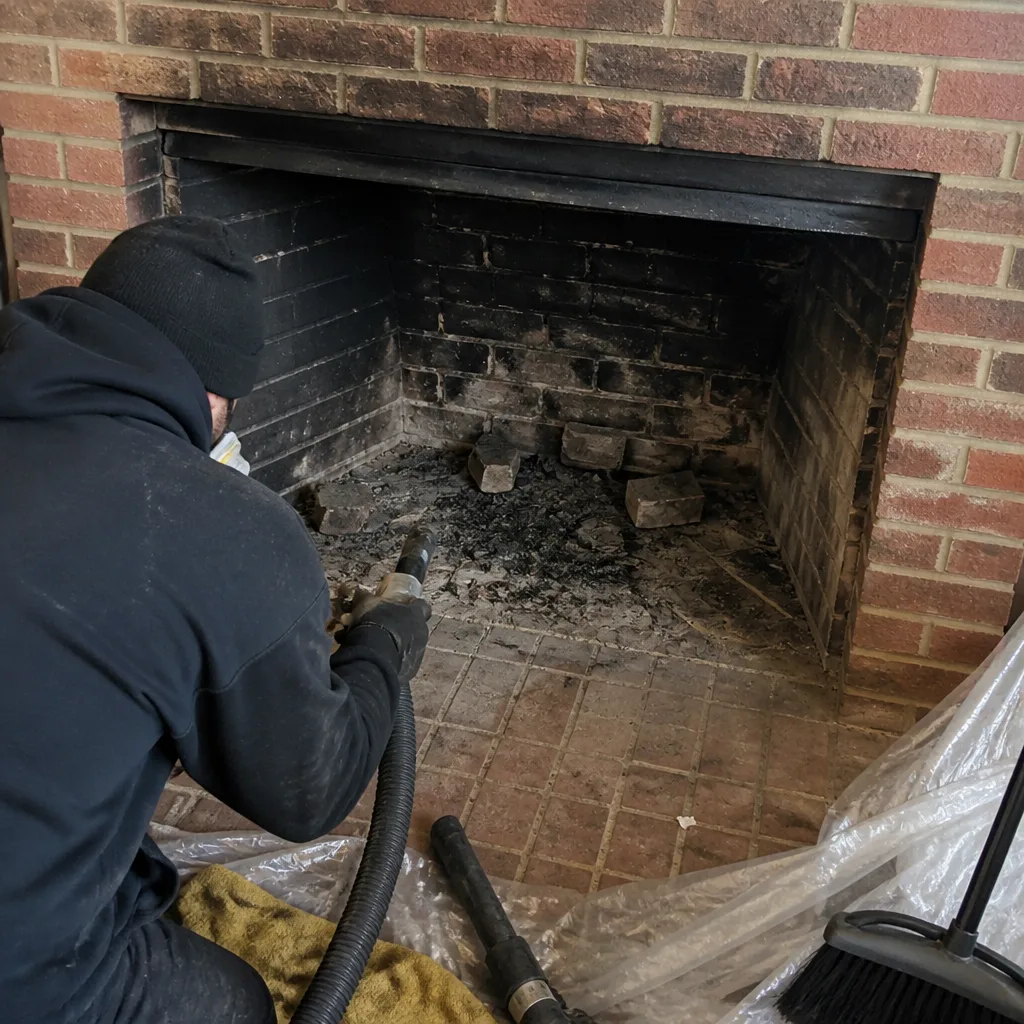
Homeowners who don’t know what a sweep visit involves tend to undervalue it – thinking it’s a quick brush – or overvalue it, thinking it’s some kind of mystical service. Here is the actual sequence:
- Drop cloths and prep. Sealed work area around the hearth so soot does not migrate into the home.
- Visual inspection of the firebox and accessible flue. Look for cracks, gaps, glazing, and any obvious damage.
- Sweeping with a rod-driven brush sized to the flue. This is the noisy part. It’s not a quick pass – it’s a controlled sweep from the firebox up.
- Camera inspection. A camera is run up the flue to see what a visual from below cannot: the full flue interior, the smoke chamber, the top of the flue, and the crown and cap.
- Debris cleanup and disposal. The collected creosote and ash is removed and bagged.
- Written report with photos. What was found, what condition the flue is in, and anything that needs attention before the next heating season.
Notice what is not on that list: an immediate recommendation to spend money. A properly run sweep produces a report, not a sales pitch. Any recommended work should reference something visible in the camera footage you can review yourself. If nothing needs doing right now, the report should say nothing needs doing right now. If a contractor leaves the visit without a written report, you didn’t get an inspection. You got a cleaning.
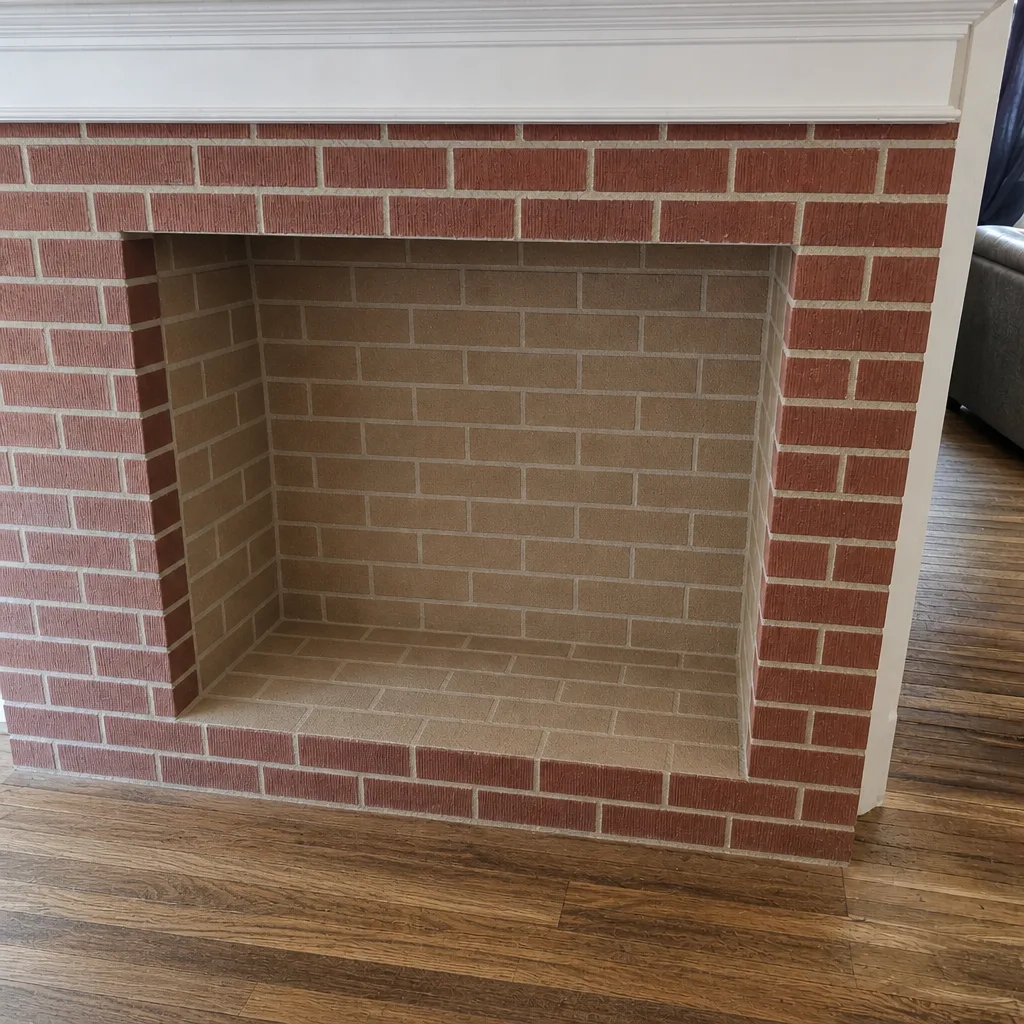
See the difference
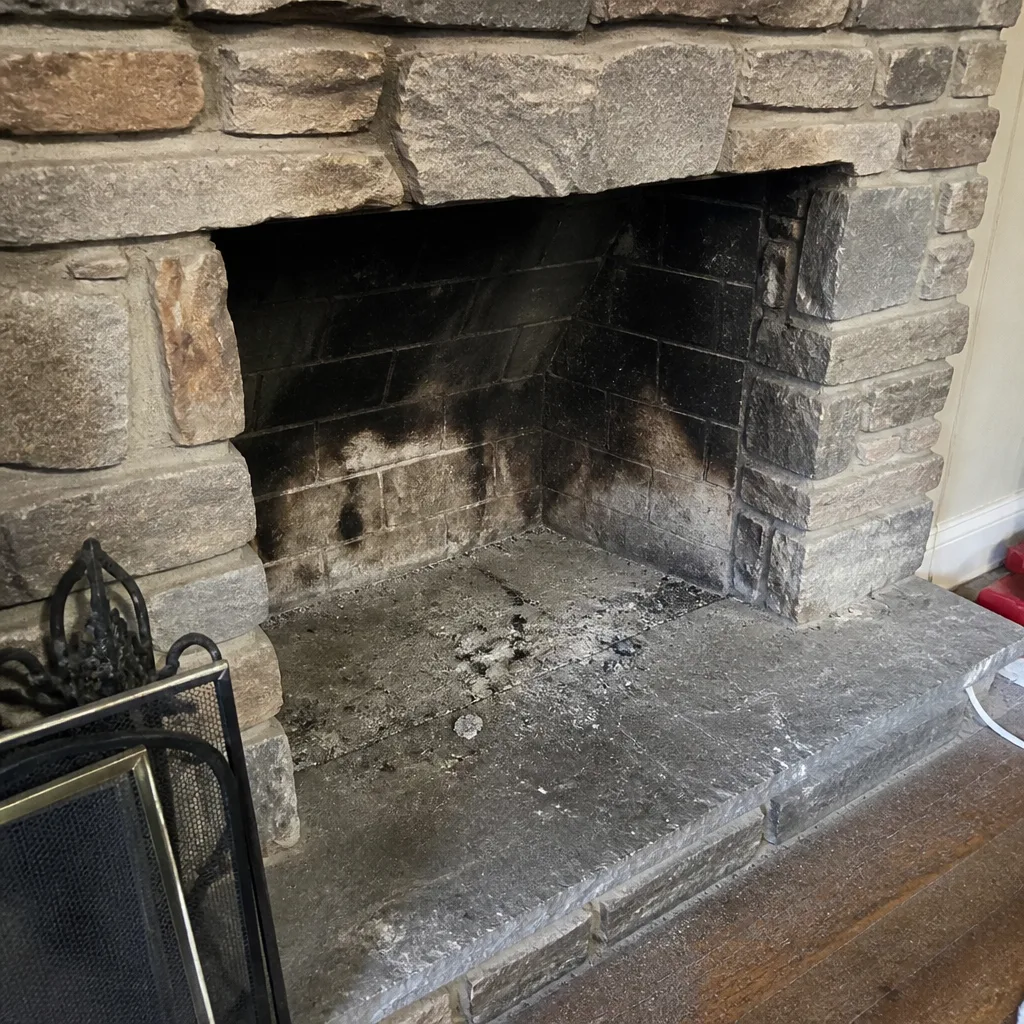 Before
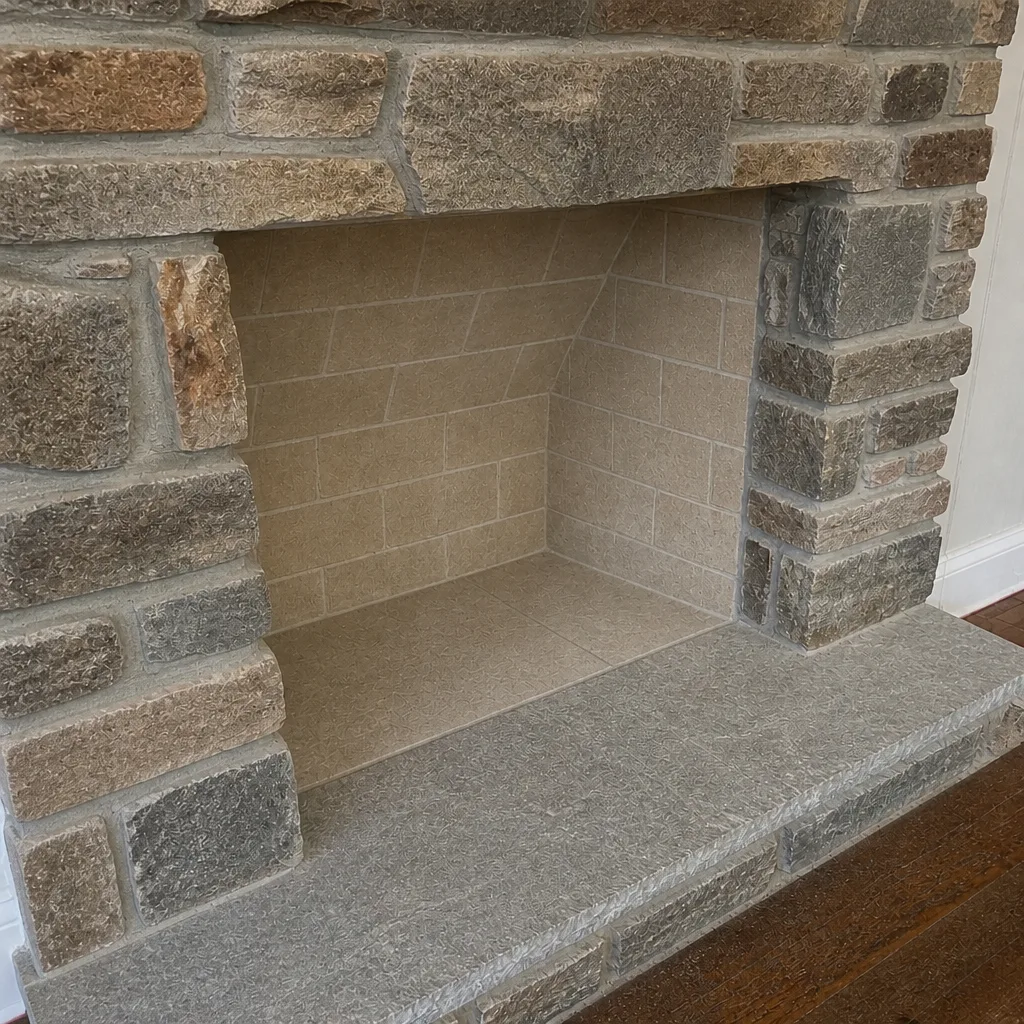 After
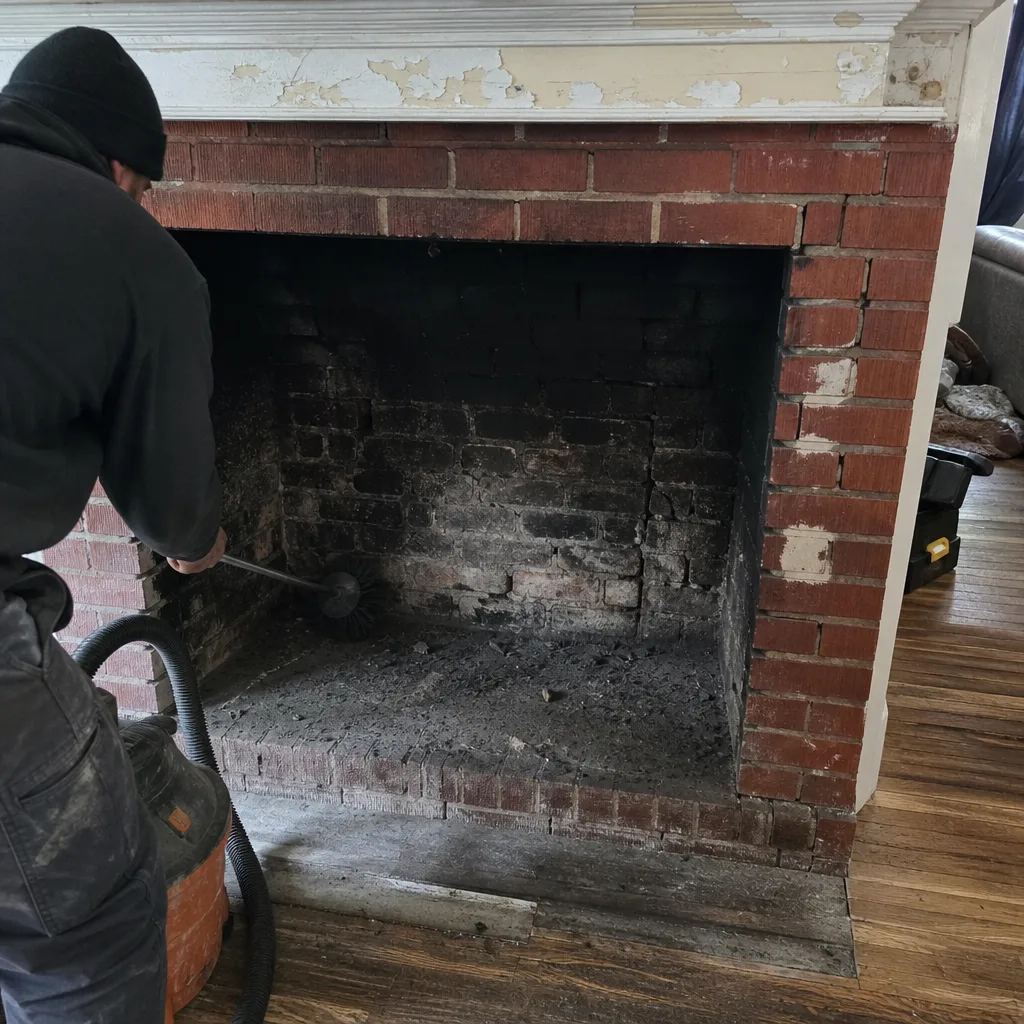 Before
 After
 Before
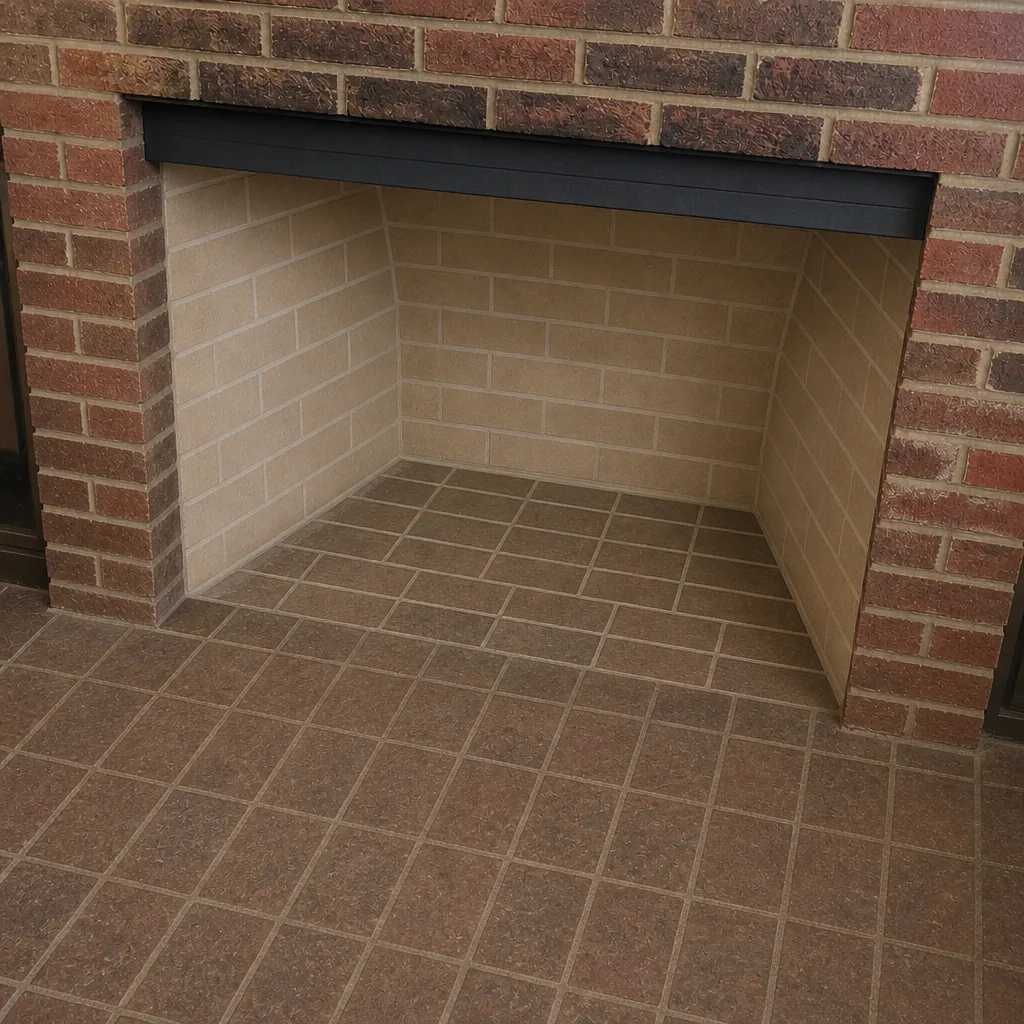 After
Common Mistakes to Avoid
- Hiring on price alone. A quote that undercuts every other quote in Canarsie is a quote that will be revised once the technician is on the roof. The written estimate sets the final price for a reason.
- Accepting a phone quote without pre-work questions. If the contractor doesn’t ask about appliance type, last service date, and any changes to the heating system, they aren’t quoting your chimney. They’re quoting an average chimney.
- Skipping the insurance certificate. A contractor who is insured but can’t produce a certificate naming you as certificate holder is a contractor whose insurance may not cover your specific visit. Ask before the visit.
- Not verifying the CSIA number. Certification is verifiable. Take the two minutes. The number either resolves or it doesn’t.
- Splitting inspection and repair. When the inspector and the repair contractor are two companies, the finger-pointing starts the moment something goes wrong. One company, one call.
- Approving repair work before seeing the camera evidence. Nobody can recommend a liner replacement in good conscience without camera footage showing the liner condition. Ask to see it.
- Putting off the annual inspection. Chimney problems don’t get cheaper when you wait, and they don’t get safer either. A creosote-heavy flue is a fire hazard regardless of whether it’s on your mind.
- Treating a cap and crown as cosmetic. The cap and crown are the chimney’s first defense against water intrusion. Most chimney damage in Canarsie starts at the top.
- Assuming the contractor is licensed because they have a website. Some of the most professional-looking chimney websites belong to companies working without a NYC home improvement license. Look up the license number.
When to Call a Professional
Some chimney work is a maintenance decision. Some is urgent. Call a professional in Canarsie when any of these apply: you smell smoke or creosote in the house when the fireplace is not in use; you see staining on the chimney breast, ceiling, or attic wall; you notice that the fire burns sluggishly or smokes into the room; the chimney cap is missing or damaged; there’s crumbling mortar around the crown or visible spalling on the exterior masonry; you’ve just purchased a home and don’t have a maintenance history for the chimney; or the last sweep or inspection is more than a year old. Call a professional if you ever suspect a chimney fire has occurred, even a small one – the flue interior can be compromised in ways you cannot see. Chimney Sweep Canarsie offers free estimates in Canarsie – call (833) 508-9953. We answer 24/7. Fast dispatch from 7am to 7pm, Sunday through Friday.
Frequently Asked Questions
Chimney sweep pricing in Canarsie depends on the appliance type, the flue condition, whether a camera inspection is included, and whether any repair is bundled in. The written estimate sets the final price. Call (833) 508-9953 for an exact quote – estimates are free.
Once a year for wood-burning appliances, with inspection at least that often. Gas and oil flues typically need less creosote sweeping but need inspection at least annually. Let the inspection findings set the exact interval. Call (833) 508-9953 to schedule a sweep and inspection together.
Creosote accumulates on the flue interior, and glazed creosote is combustible. Skipping the annual sweep also means skipping the annual inspection, which is how small cracks, loose caps, and failing crowns turn into water intrusion and structural damage. It’s a slow problem, not a sudden one. Call (833) 508-9953 for a free estimate.
Only if the camera inspection shows the current liner is failing – cracked, deteriorated, or never installed in the first place. Nobody can tell you that over the phone. Ask to see the camera footage before approving any relining. HeatShield flue resurfacing is an alternative to full replacement when the existing flue can be saved. Call (833) 508-9953 for an inspection-based estimate.
Ask this before you book, not after. A full-scope contractor can clean, inspect, and repair in the same visit sequence. A sweep-only contractor will subcontract repair work with markup and coordination issues. Chimney Sweep Canarsie handles sweeping, inspection, cap and crown work, chimney repair, and fireplace repair in-house. Call (833) 508-9953.
Five questions matter most: What is your CSIA Certified Chimney Sweep number? What is your NYC home improvement license number? Can you send a certificate of insurance naming me as the certificate holder? Does the quote include a camera inspection with a written report? And can you handle any repair the inspection finds without subcontracted help? Call (833) 508-9953 if you’d like those answers in writing.
The Bottom Line
Hiring a chimney contractor in Canarsie is not a complicated decision once you reframe it. It’s not about finding the cheapest sweep or the fastest truck. It’s about verifying three credentials in writing, asking what the pre-work conversation covers, reading the quote for what it says about how the company operates, and confirming they can fix what they find. Get those four things right and the sweep visit takes care of itself. Get them wrong and you’ll be calling someone else next season for repairs the first contractor should have recommended. Chimney care is a long game, and the right contractor is the one you keep. For a free estimate, call (833) 508-9953. We answer 24/7. Fast dispatch from 7am to 7pm, Sunday through Friday.
Written by the team at Chimney Sweep Canarsie.