
Last updated November 22, 2026
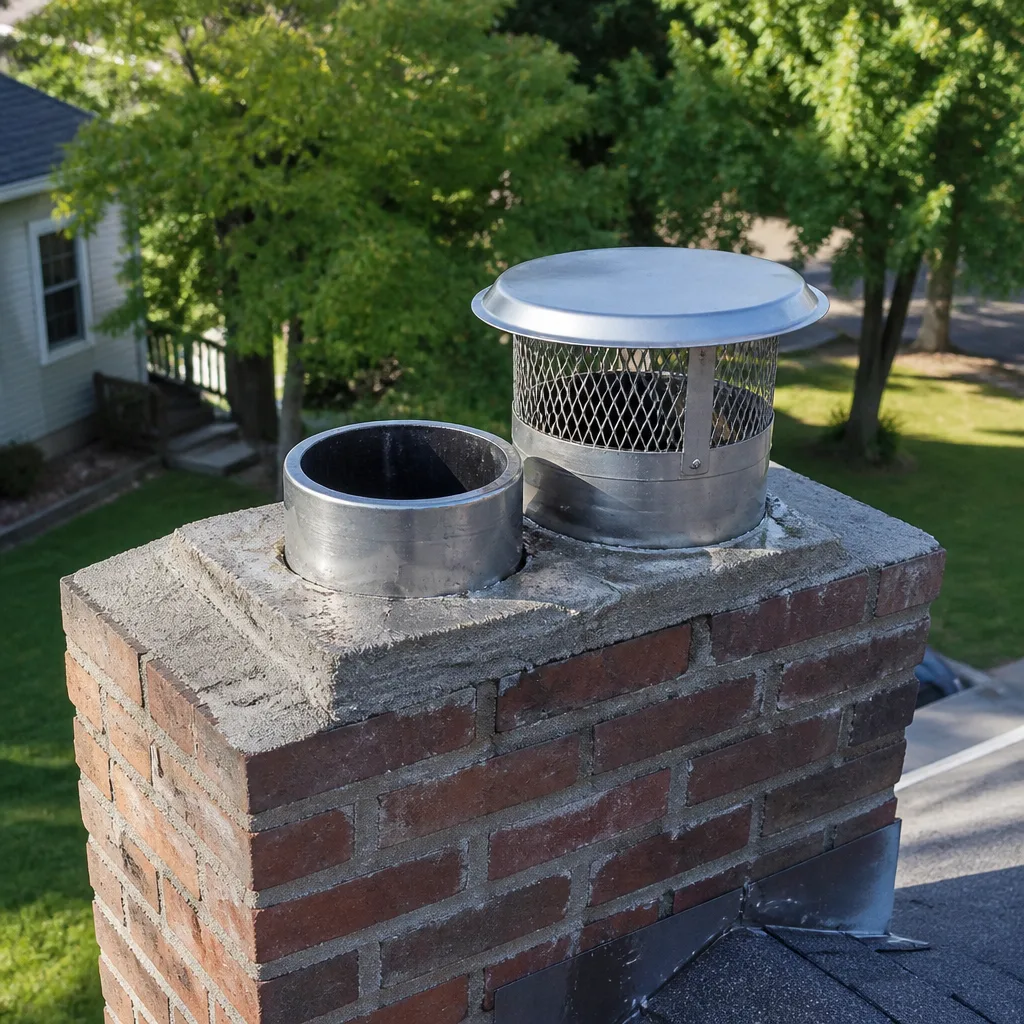 Sweep & inspection
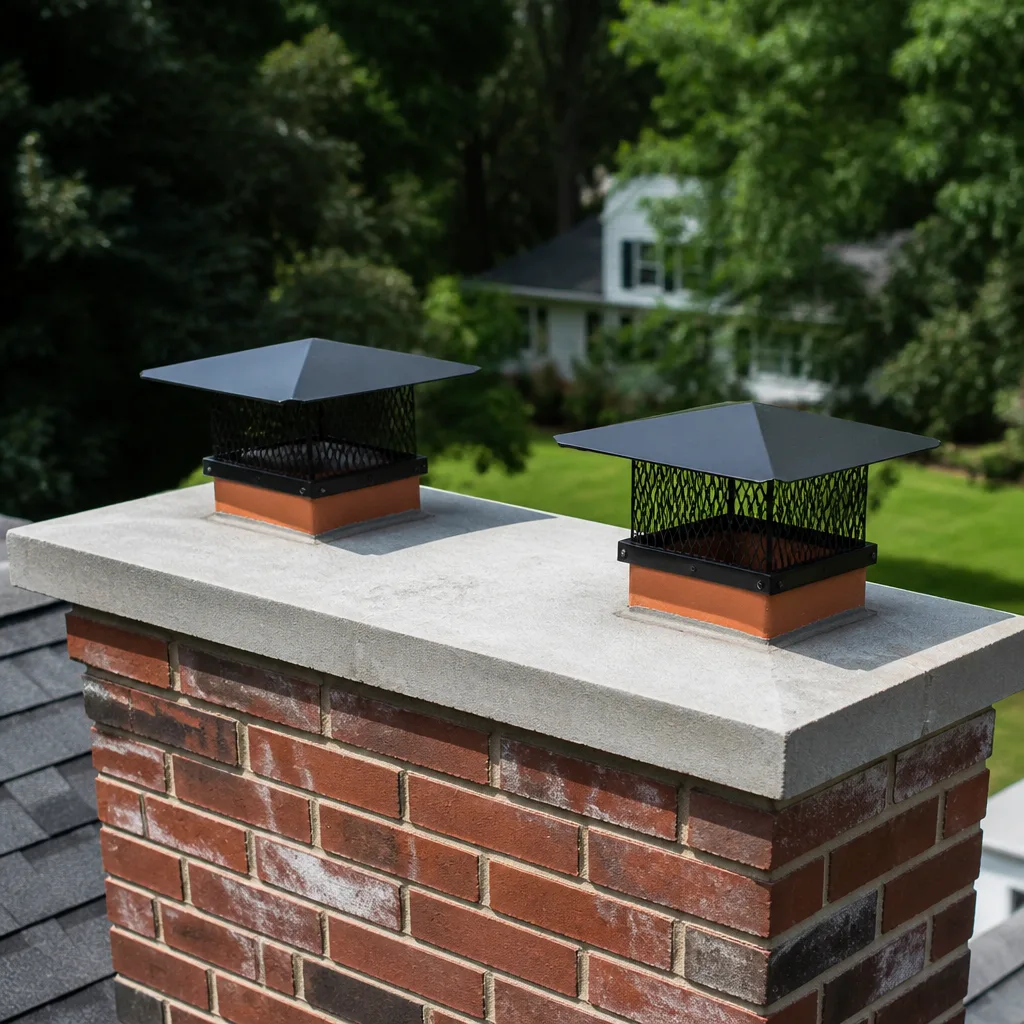 Caps & crowns
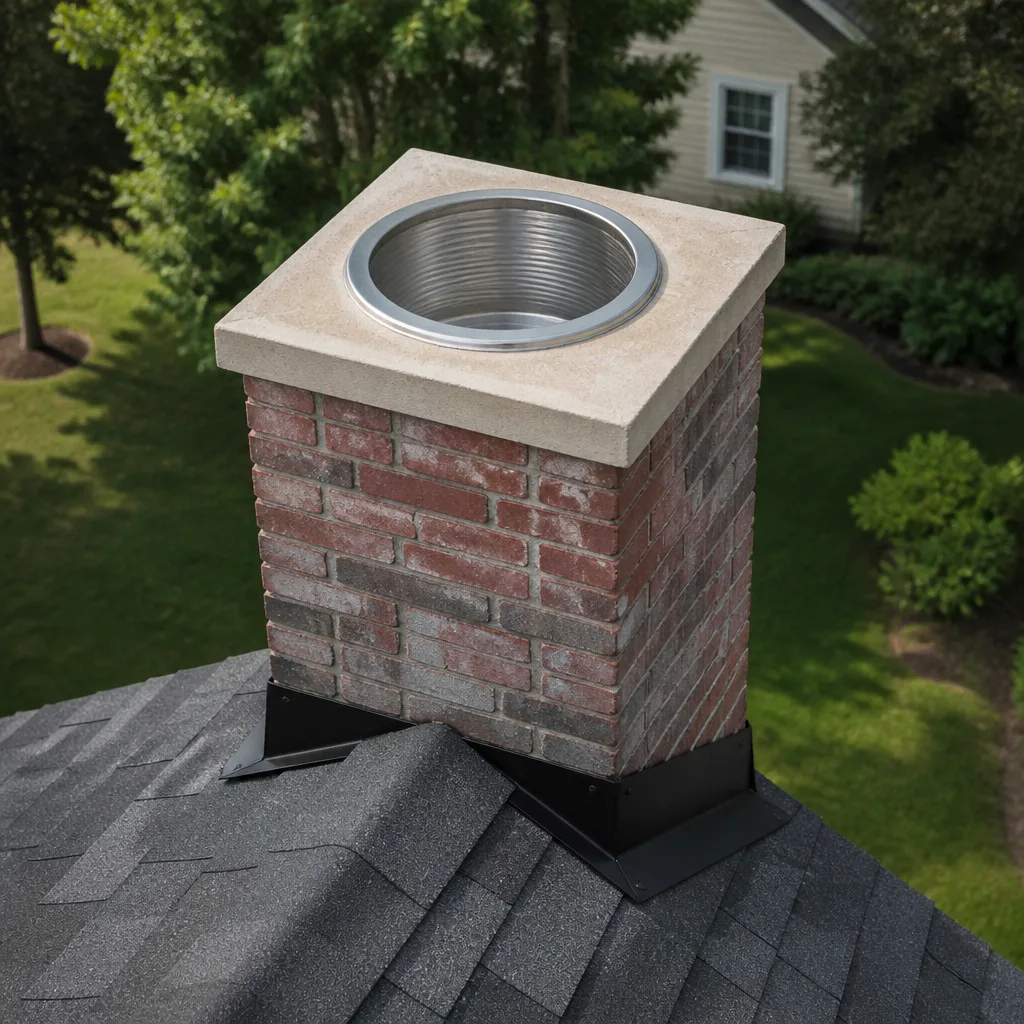 Flue relining
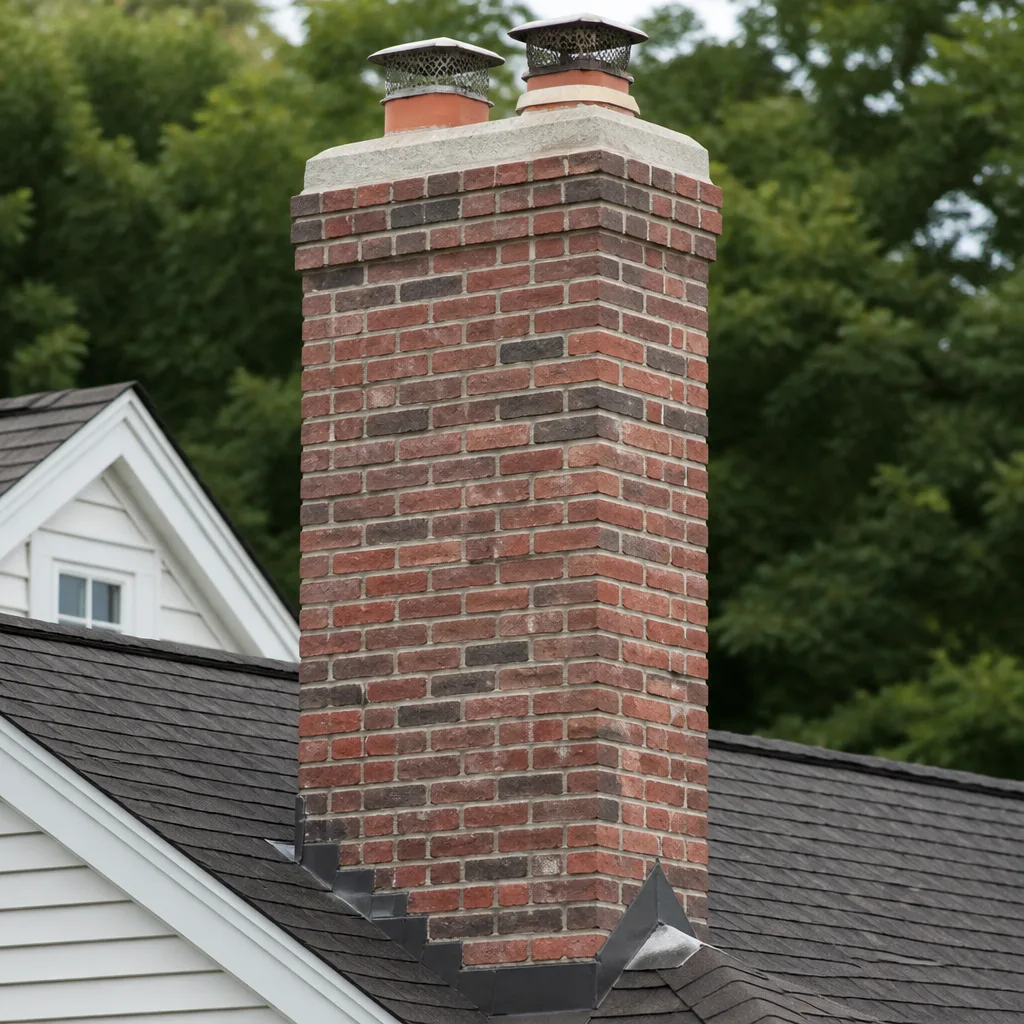 Masonry repair
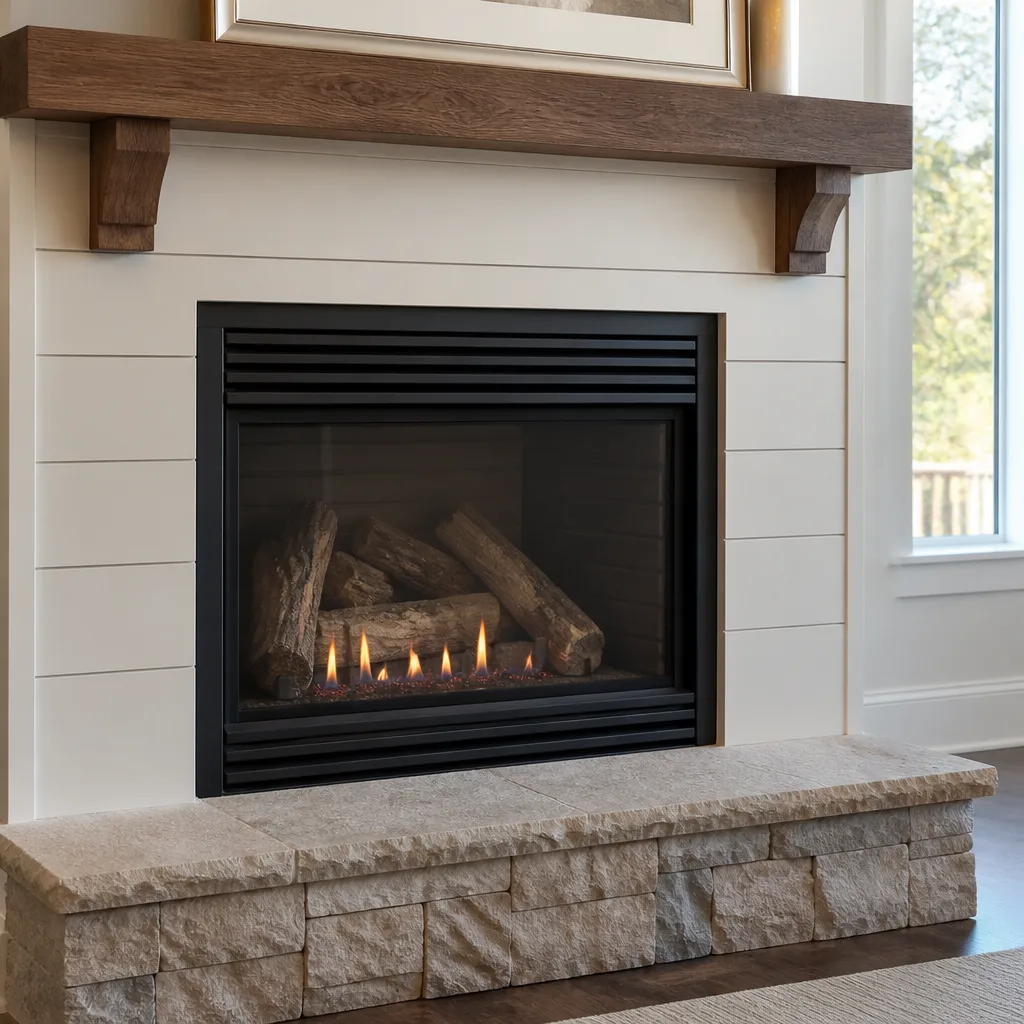 Gas fireplace service
Level 1 sweep and inspection to the NFPA 211 annual standard - flue, crown, cap, and flashing checked and photographed
Chimney sweep logs do not sweep chimneys. They loosen some creosote - which then falls where a brush and vacuum still have to collect it.
The Complete Guide to Chimney Cleaning in Canarsie
Most chimney fires don’t start in neglected flues. They start in flues that were “cleaned” without anyone measuring creosote stage or checking the liner condition behind the buildup. A brush goes up, a brush comes down, the technician packs up, and the homeowner is left with a tidy-looking firebox and absolutely no idea what’s actually happening inside the chimney. In Canarsie, where older rowhouses and detached colonials carry decades of mixed fuel use, that gap between “looks clean” and “is clean” is where real problems hide. This guide maps the full cleaning process against the specific realities of Canarsie housing, so you know exactly what a thorough job looks like, what to ask for, and what paperwork a legitimate sweep should leave behind.
Quick Answer
A proper chimney cleaning in Canarsie removes creosote, soot, and blockages, but a real job also includes a Level 1 or Level 2 inspection, a measured creosote assessment, and a documented report of liner and crown condition. If a technician only brushes the flue without inspecting the interior, you’ve paid for half the work. Routine annual cleaning is the baseline for any wood-burning fireplace in Canarsie that sees regular winter use, and a cleaning is only finished when you have written documentation of what was found.
Styles & brands we work with
- Sweep & inspection
- Caps & crowns
- Flue relining
- Masonry repair
- Gas fireplace service
Table of Contents
- Why Chimney Cleaning in Canarsie Is Different
- The Three Stages of Creosote and Why They Matter
- What a Cleaning Actually Includes: Level 1 vs. Level 2 Inspections
- How Canarsie Housing Stock Changes the Cleaning Approach
- What a Thorough Cleaning Looks Like, Step by Step
- What a Documented Cleaning Leaves Behind
- Signs You’re Overdue for a Cleaning
- Common Mistakes to Avoid
- When to Call a Professional
- Frequently Asked Questions
Why Chimney Cleaning in Canarsie Is Different
Canarsie sits on the southern rim of Brooklyn along Jamaica Bay, and that geography shapes what happens inside the chimneys here in ways a generic guide can’t account for. Bay humidity is persistent, especially from spring through fall, and masonry absorbs that moisture season after season. Mortar joints soften, brick faces spall, and the crown, the concrete cap at the very top that sheds water, starts to develop hairline cracks. Once water finds a path into the chimney structure, the interior flue surface stays damp longer, and damp surfaces are exactly where creosote bonds hardest and where mortar begins to fail from the inside out.
This isn’t a reason to panic. It’s a reason to clean and inspect on schedule rather than “when you remember.” A chimney in Canarsie that goes two or three seasons without a sweep is a very different proposition from one on an annual cycle. The difference shows up in how much the technician can actually remove with a standard brush, whether chemical treatment is needed first, and whether the liner behind the soot is still sound. Homes near the water in the Flatlands edge of Canarsie and the neighborhoods closer to the Belt Parkway tend to show moisture-related mortar wear sooner than homes set further inland, simply because they’re exposed to more humid air over more of the year.
The other local factor is fuel. Canarsie has a real mix of wood-burning fireplaces, older coal-converted fireboxes, and homes where a wood stove was added to a chimney originally built for something else. Each fuel type leaves a different residue profile. Wood leaves creosote. Older conversion setups can leave mineral scale and deteriorated parging on the flue walls. When we schedule a chimney sweep, we’re asking about fuel type first, because it determines the tools we bring and the amount of time the job takes. Chimney cleaning in Canarsie has to start with what’s being burned, not just whether the fireplace is used.
The Three Stages of Creosote and Why They Matter
Creosote is the residue left behind when wood smoke cools against the flue walls. It’s not one substance. It exists in three recognized stages, and the stage determines what cleaning actually involves. A sweep who doesn’t classify the creosote before starting work is guessing, and guessing is how “cleaned” chimneys catch fire.
- Stage 1 creosote is light, flaky soot. It brushes off the flue walls easily with standard poly or wire brushes. This is what most homeowners picture when they think of a chimney sweep.
- Stage 2 creosote is a hard, crusty, tar-like deposit that clings to the flue surface. Brushing alone removes some of it and burnishes the rest, which can actually make the surface harder to clean next time. Stage 2 deposits typically require chemical treatment to break the bond before brushing.
- Stage 3 creosote is glazed, shiny, and rock-hard. It’s the most combustible classification and the hardest to remove. It almost always signals restricted draft, incomplete combustion, or a flue that’s been running cold for a long time. Stage 3 requires chemical treatment and possibly liner resurfacing afterward if the flue wall has been damaged.
Why does this matter to a Canarsie homeowner? Because a technician who brushes for fifteen minutes and calls it done is only effective on Stage 1. If your chimney has Stage 2 or Stage 3 buildup and the job is rushed, you pay for a cleaning that leaves most of the hazard in place. In our experience, older Canarsie chimneys that have gone several seasons without service commonly show Stage 2 deposits on the upper flue and around the smoke chamber, the sloped transition between the firebox and the flue. That’s the area where draft slows and creosote collects fastest.
When we find Stage 2 or Stage 3, the fix isn’t more elbow grease. It’s the right treatment sequence: apply a chemical agent formulated to soften the deposit, allow it to work, then remove the softened creosote mechanically. If the flue wall underneath turns out to be spalled or cracked from moisture damage, that’s a separate issue, and it’s where resurfacing capability matters. HeatShield is the industry’s leading flue resurfacing system, and we work with it at applicator level, which means a Stage 3 find doesn’t automatically mean a full liner replacement. Sometimes the flue can be resurfaced and saved. That distinction is worth a lot to a homeowner facing a hard decision.
What a Cleaning Actually Includes: Level 1 vs. Level 2 Inspections
A sweep without an inspection is a missed diagnosis. The cleaning removes what’s in the flue; the inspection tells you what the flue itself is doing. In practice, which inspection applies to your cleaning visit depends on your situation.
Level 1 Inspection
This is the standard inspection that accompanies an annual cleaning. It covers readily accessible portions of the chimney: the firebox, damper, smoke chamber, and the flue as far as can be seen without special tools. A Level 1 inspection is appropriate when the chimney is in continued service, you’re not changing anything about how it’s used, and there’s no known problem. If you’re burning the same fireplace the same way and it’s been serviced regularly, Level 1 is the baseline.
Level 2 Inspection
This goes further. A Level 2 inspection is appropriate when there’s been a change in the system: a new home purchase, a fuel type change, a chimney fire, a liner replacement, or a visible problem like water staining or a shifting crown. It typically involves video camera access to the flue interior, which lets the technician see the entire liner surface, including the parts no eye can reach. In Canarsie, a Level 2 is common on home purchases because the house has often changed hands without recent chimney records, and the buyer needs to know what they’re inheriting.
Our technicians have up to 8 years of experience reading the difference between a flue that’s merely dirty and one that’s quietly failing, and that judgment is the whole point of the inspection. Camera inspection with a photo report is part of how we work, and it’s how you avoid being told you need repairs you can’t verify. You see the photos. You see the deposit classification. You decide with real information.
How Canarsie Housing Stock Changes the Cleaning Approach
Canarsie’s housing is a mix, and the chimney inside a brick rowhouse is a different animal from the chimney in a detached colonial. Rowhouses often share chimney structures or sit close enough that the original flue was sized for a single heating appliance that no longer matches what’s there now. Detached homes, especially the colonials, frequently have exterior chimneys that take the full brunt of weather on three sides, which accelerates crown and flashing problems.
The most common issue we run into is flue sizing. Many older Canarsie homes were built with flues that are now undersized for the appliance connected to them, or that have been relined at some point with a liner installed by someone who didn’t match the diameter to the appliance’s requirements. An undersized flue causes poor draft, and poor draft causes faster creosote accumulation. That creates a frustrating cycle: you clean more often because the chimney dirties faster, but nobody’s addressed the reason it’s dirtying fast. Chimney cleaning in Canarsie sometimes means cleaning and also telling the homeowner that the current flue setup is working against them.
When a reline is genuinely needed, material choice matters. We install and work with DuraFlex flexible liner systems, a recognized professional-grade chimney lining product, and we source venting and liner components through Olympia Chimney. Those aren’t consumer-grade hardware-store substitutes. They’re the components that meet trade standards, and we name them so you know exactly what’s going into your chimney. If the liner’s already sound and only the flue interior surface is damaged, resurfacing may resolve it, which is how the inspection shapes the recommendation.
Water intrusion is the quiet destroyer in this neighborhood. The crown is the first line of defense, and a cracked crown lets water into the masonry every time it rains. Most sweep-only crews clean and leave. That leaves the source of the problem untouched. Our chimney cap & crown work exists because a cleaning is only the start of protecting the chimney. A properly installed cap keeps out rain, birds, and debris, and a repaired crown sends water where it belongs. For many Canarsie homes, those two items prevent the liner and masonry damage that a cleaning alone can’t stop.
What a Thorough Cleaning Looks Like, Step by Step
Here’s how a proper cleaning should proceed, from arrival to sign-off. You can use this sequence to judge any sweep you hire, in Canarsie or anywhere else.
- Interview and setup. The technician asks about fuel type, how often the fireplace is used, and any known problems. Drop cloths and a sealed work area go down before any equipment comes in. No dust escapes into the room.
- Firebox and damper check. The firebox interior and damper are examined and cleaned. The damper is checked for operation and fit. This is where you find out whether the damper actually seals when closed.
- Creosote classification. Before brushing, the technician inspects the flue surface and classifies the creosote stage. This determines whether chemical treatment is applied first.
- Chemical treatment if needed. For Stage 2 or Stage 3 deposits, a treatment agent is applied and allowed to work before mechanical removal. This step is skipped by sweeps who only brush, and it’s the step that actually gets the dangerous deposits off.
- Mechanical cleaning. The flue is cleaned with the appropriate brush type for the liner material. Rotary tools are used where buildup is stubborn. The smoke chamber and smoke shelf are cleaned, since creosote collects there heavily and it’s a common miss.
- Inspection with camera where warranted. The liner interior is inspected. For a Level 2, video is used, and the findings are recorded.
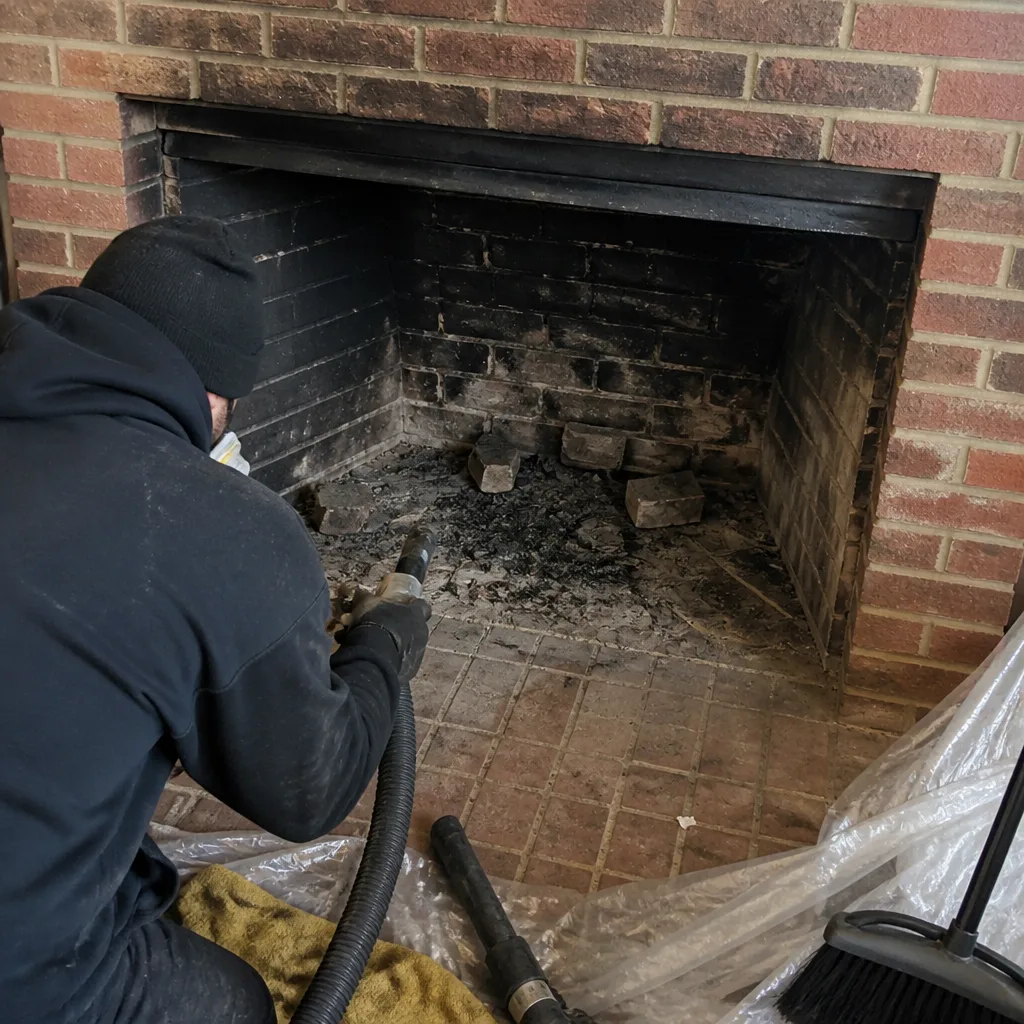
- Debris removal and cleanup. Soot and debris are bagged and removed. The work area is left as it was found.
- Documentation and sign-off. The technician walks you through what was found and provides a written report with photos where applicable.
The difference between a cleaning that’s done and one that’s documented shows up in step eight. If a sweep can’t tell you the creosote stage, the liner condition, and what was found in the smoke chamber, the job isn’t finished, regardless of how clean the firebox looks.
What a Documented Cleaning Leaves Behind
A legitimate cleaning visit produces a paper trail. This matters for insurance, for a future home sale, and for your own ability to track the chimney’s condition over time. When we finish a job in Canarsie, here’s what the homeowner receives.
- A written inspection report. The findings from the firebox, damper, flue, smoke chamber, and crown, in plain language.
- A creosote stage determination. What was found and what treatment was used.
- Photo documentation. Images of the flue interior and any problem areas, so you can see for yourself what was found.
- Clear recommendations. What needs attention now, what can wait, and what to watch. If nothing needs doing, the report should say so plainly.
The recommendation part is where a lot of homeowners get nervous, and it’s understandable. Being told you need liner or masonry work you have no way to verify is a bad feeling. Our position is simple: nothing is recommended without camera evidence you can see for yourself, and when work can safely wait, we say that too. Chimney problems don’t get cheaper when you wait, but they also don’t need to be fixed all at once. The report is there so you can decide with real information instead of a sales pitch.
If the inspection does turn up structural issues, that’s a separate conversation, and it may involve chimney repair work that goes beyond cleaning. The point of documenting the cleaning is that you’ll know when that conversation is warranted and when it isn’t.
Signs You’re Overdue for a Cleaning
Some chimneys tell you they need attention. Others wait quietly and give you no warning until a fire occurs. Since wood-burning fireplaces in Canarsie follow a seasonal cycle, most homes are best served by an annual cleaning before the heating season begins. That’s the reliable rhythm.
Beyond the annual schedule, watch for these signs:
- A strong, lingering smoke smell in the room even when the fireplace isn’t burning. That’s creosote off-gassing or a draft problem.
- Reduced draft. Smoke spills into the room instead of going up, especially when you first light a fire.
- Visible soot staining around the firebox opening or on the chimney exterior.
- A softer, duller fire than in past seasons. Restricted airflow is often the cause.
- Water stains or white mineral deposits on the chimney exterior, which point to crown or flashing problems.
- Any debris in the firebox after the chimney has been unused: leaves, twigs, or animal nesting material mean the cap has failed.
Carbon monoxide is the invisible concern with any chimney system. A blocked or restricted flue can allow combustion gases to back up into the home rather than vent outside. That’s the safety reason a blocked chimney is not something to “get to next month.” If your flue is blocked by debris or heavy creosote, the gases have nowhere to go but back into the living space. For homes using a wood-burning appliance regularly, annual inspection is how that risk gets caught before it becomes an emergency.
Common Mistakes to Avoid
- Hiring a sweep who doesn’t inspect. A brush-only visit removes Stage 1 deposits and leaves everything else in place. If there’s no inspection and no report, you don’t know what condition your chimney is in.
- Cleaning once every few years “when it needs it.” Chimneys don’t signal buildup reliably. In Canarsie’s humidity, wait longer than a year and you risk moisture-bonded creosote that takes chemical treatment to remove.
- Ignoring the crown and flashing until water appears inside. The crown is the most common entry point for water damage. Have it checked during the cleaning, not after the ceiling stains appear.
- Assuming any reline means a full replacement. A damaged flue surface can sometimes be resurfaced. If a contractor jumps straight to full liner replacement without considering options, get a second look.
- Burning unseasoned or wet wood to save money. Wet wood burns cooler and leaves far more creosote. The fuel quality directly determines how fast the flue dirties.
- Skipping a cap because the chimney “works fine.” A missing cap lets rain, birds, and debris into the flue. It’s one of the cheapest protections you can add, and it’s what keeps the chimney clean between visits.
- Not keeping the report. If you sell the house or file an insurance claim, that written record of condition matters more than you’d think.
When to Call a Professional
Call a professional if it’s been a year or more since the last documented cleaning, if you’ve had a chimney fire (even a small one you think went out), if you’re buying or selling a Canarsie home, or if you’ve noticed any of the warning signs above: smoke backing up, water staining, animal debris, or a smell that doesn’t clear. Call if you’ve changed fuel types or added a wood stove. Call if the last sweep left no report. And call if you simply don’t know the chimney’s history, because “unknown” is a reason all on its own. A cleaning and inspection isn’t expensive compared to repairing a flue that failed without warning. Chimney Sweep Canarsie offers free estimates in Canarsie. Call (833) 508-9953. We answer 24/7, with fast dispatch from 7am to 7pm, Sunday through Friday.
Frequently Asked Questions
Once a year for any fireplace or wood-burning appliance in regular winter use, timed before the heating season starts. Canarsie’s bay humidity means chimneys here tend to accumulate moisture-bonded creosote faster than in drier climates, so annual cleaning and inspection is the right baseline. If the chimney is used heavily or the wood is unseasoned, more frequent checks may make sense. Call (833) 508-9953 to get on a cleaning schedule and to ask about yours specifically.
A thorough cleaning is documented: the technician classifies the creosote stage, treats hard deposits chemically before brushing, inspects the flue (with video for a Level 2), and leaves a written report with photos. A sweep who brushes for fifteen minutes and doesn’t inspect hasn’t done the job. Ask for the report before you pay. If a company won’t provide one, that tells you everything. Call (833) 508-9953 to schedule a documented cleaning.
A Level 1 inspection covers the readily accessible parts of the chimney during a routine cleaning, appropriate when the chimney is in continued use with no known issues. A Level 2 goes further with video access to the full flue interior and is called for after a home purchase, a fuel change, a chimney fire, a liner replacement, or any visible problem. In Canarsie, Level 2 is common on home sales because the property’s chimney history is often undocumented. Call (833) 508-9953 to ask which one fits your situation.
Creosote exists in three stages, and the stage determines what cleaning actually requires. Stage 1 is light soot that brushes off. Stage 2 is hard and crusty and needs chemical treatment before brushing. Stage 3 is glazed and highly combustible, and usually points to a longstanding draft or combustion problem. A technician should tell you the stage before starting. You can’t tell from looking at the firebox. Call (833) 508-9953 to have it assessed.
Yes, but the process takes longer and involves chemical treatment to soften the glazed deposit before mechanical removal, and the flue interior should be inspected afterward to check for damage beneath the buildup. In some cases the flue surface can be resurfaced rather than relined outright. That distinction is worth asking about. Our technicians work with HeatShield resurfacing, which resolves damaged flue interiors without a full liner replacement when the liner itself is sound. Call (833) 508-9953 for an assessment.
Yes, because a chimney that sits unused still collects debris, can host animals, and continues deteriorating internally from moisture. And a rarely used chimney burns “cold,” which often means the creosote it does accumulate is harder to remove. An annual cleaning and inspection is the way to catch problems before they turn into repairs. If nothing needs doing, a proper report will say so. Call (833) 508-9953 for a free estimate.
The Bottom Line
Chimney cleaning in Canarsie is not a fifteen-minute brush job, and treating it that way is how so-called clean chimneys catch fire. A proper cleaning classifies the creosote, treats hard deposits chemically, inspects the flue at the right level, and leaves you with written documentation of what was found. The humidity coming off Jamaica Bay makes moisture damage and stubborn creosote a real concern here, and older Canarsie homes often have undersized or relined flues that make the cleaning process different from a new build. Get on an annual schedule, ask for the report, and demand camera evidence before any repair is recommended.
Chimney Sweep Canarsie handles the full picture: sweeping, inspection, chimney cap & crown work, chimney repair, and fireplace repair, all under one roof, so the company that finds a problem is the one that fixes it. We work with DuraFlex, HeatShield, Gelco, Olympia Chimney, Famco, and Copperfield because professionals don’t cut corners on materials. From the firebox to the crown, one company, one call. Call (833) 508-9953 for a free estimate. We answer 24/7. Fast dispatch from 7am to 7pm, Sunday through Friday.
Written by the team at Chimney Sweep Canarsie.
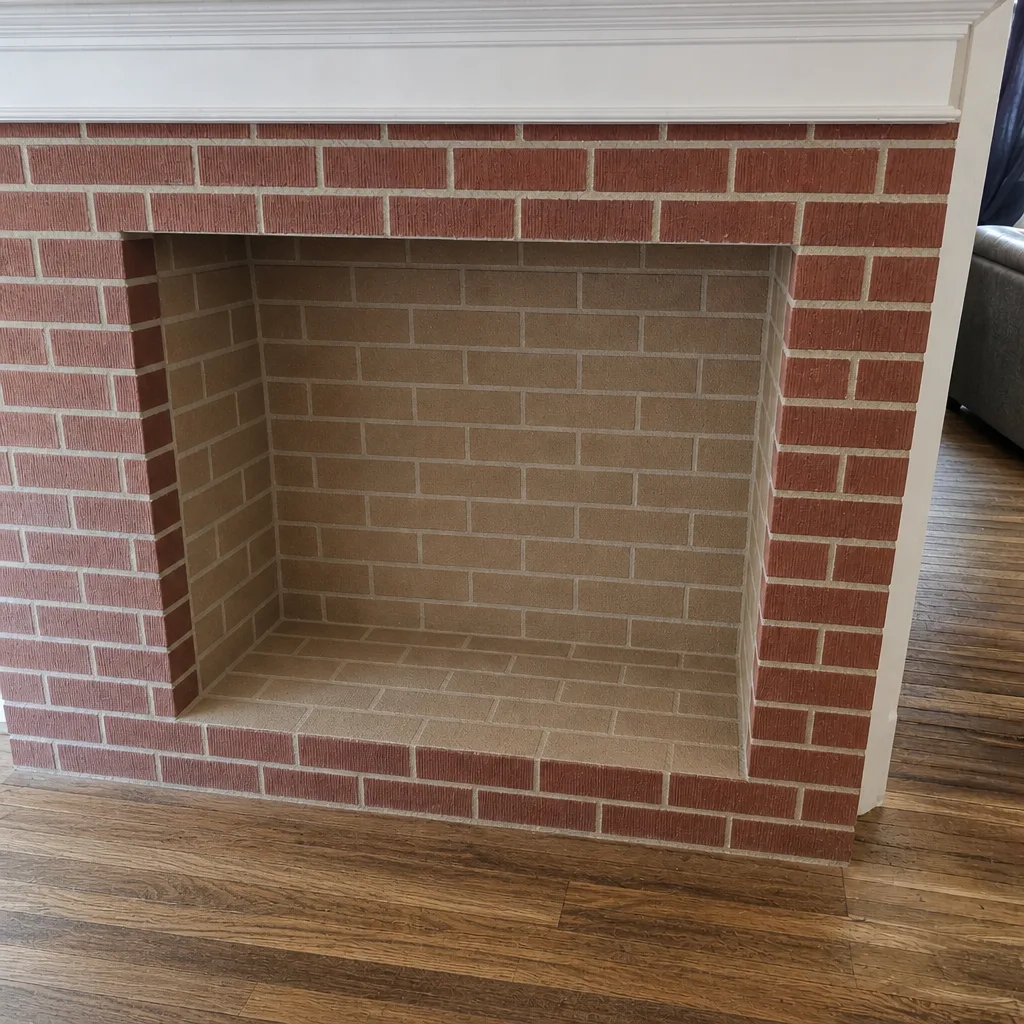
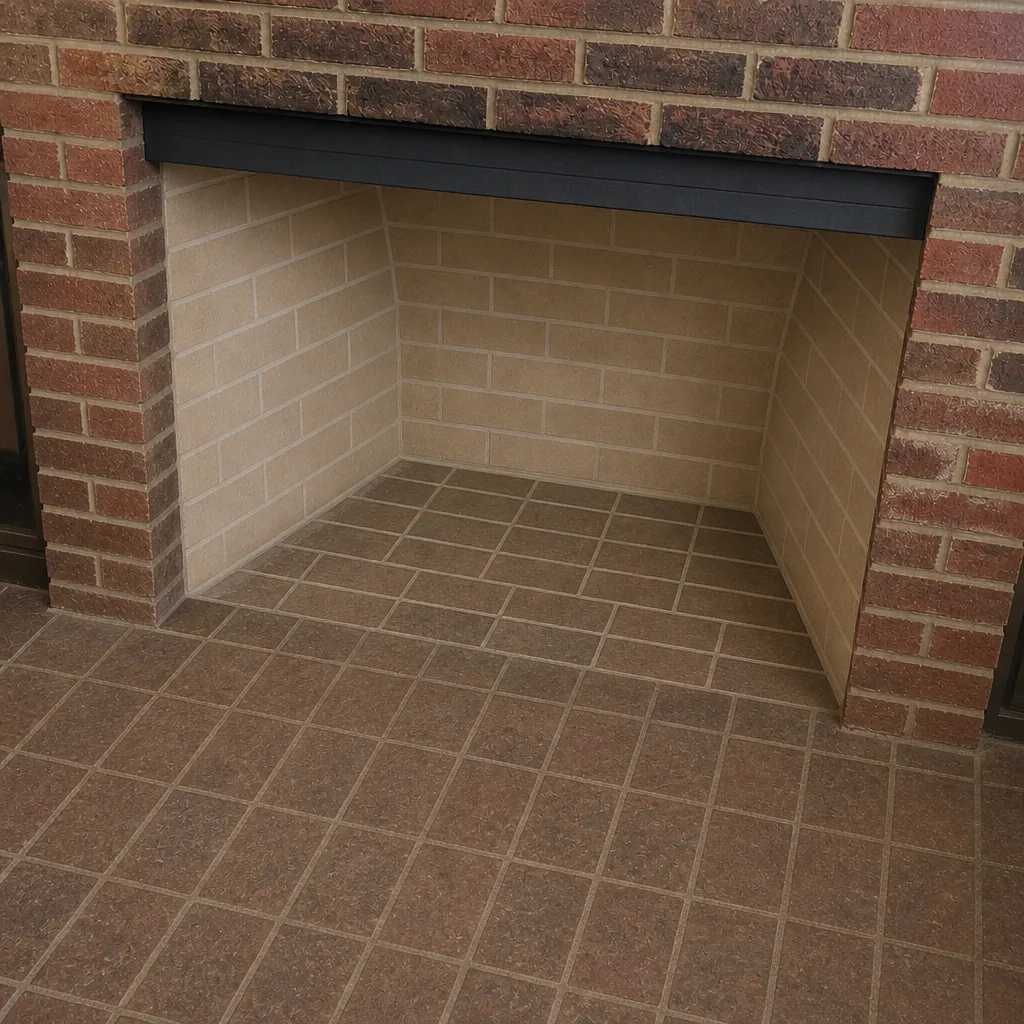
See the difference
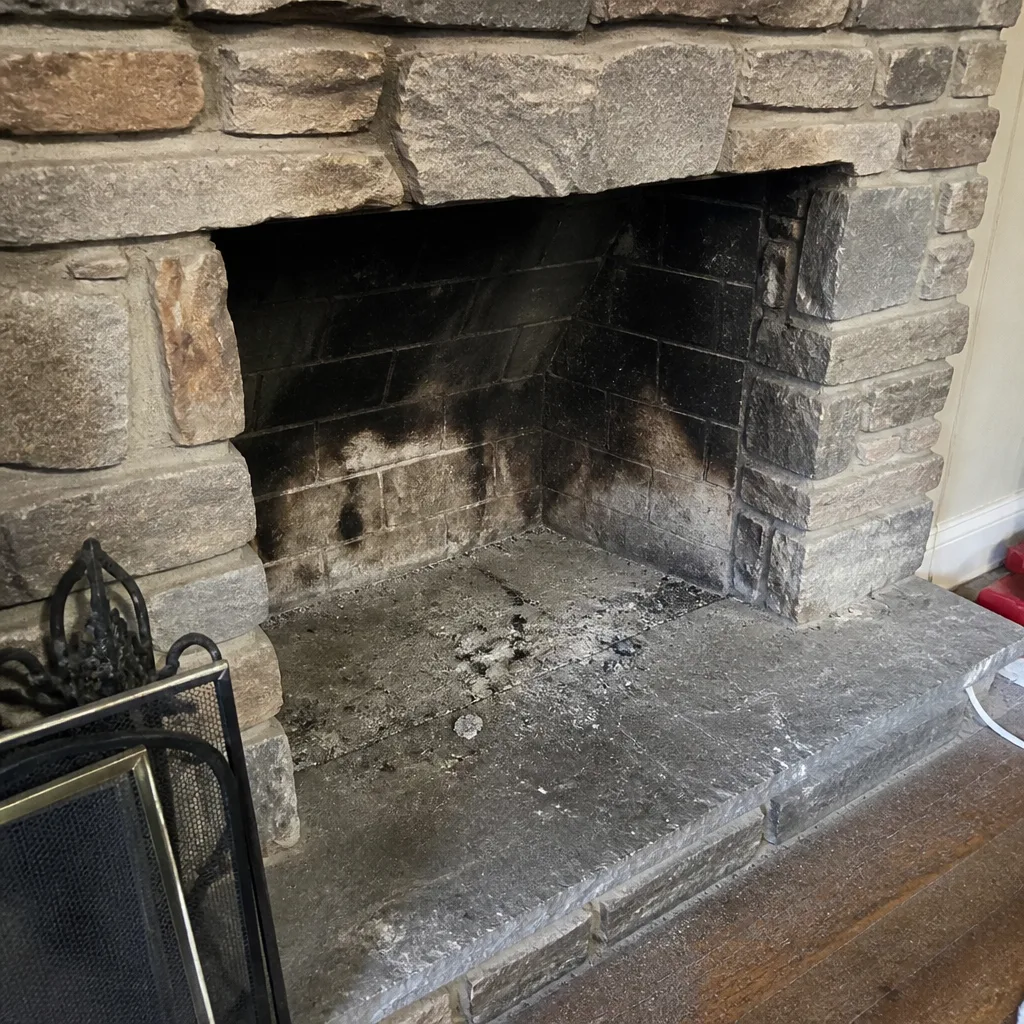 Before
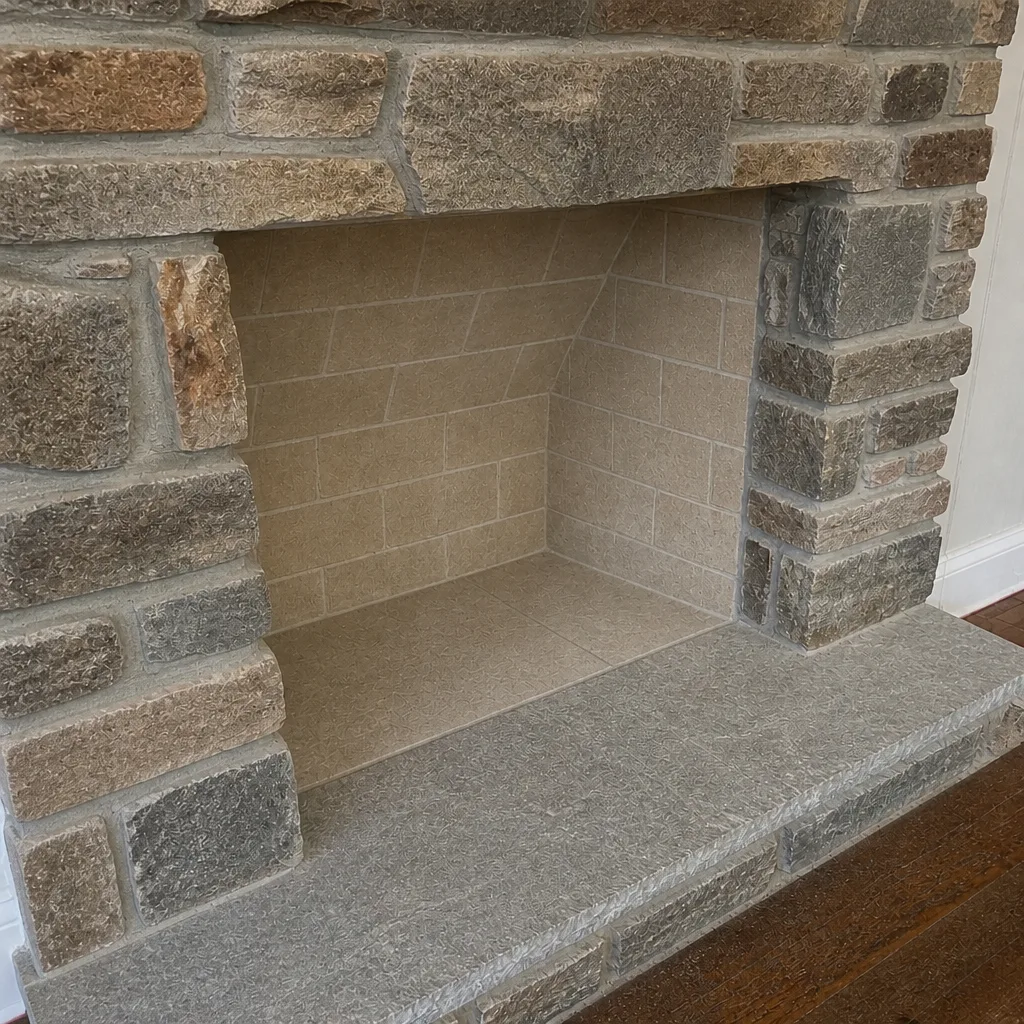 After
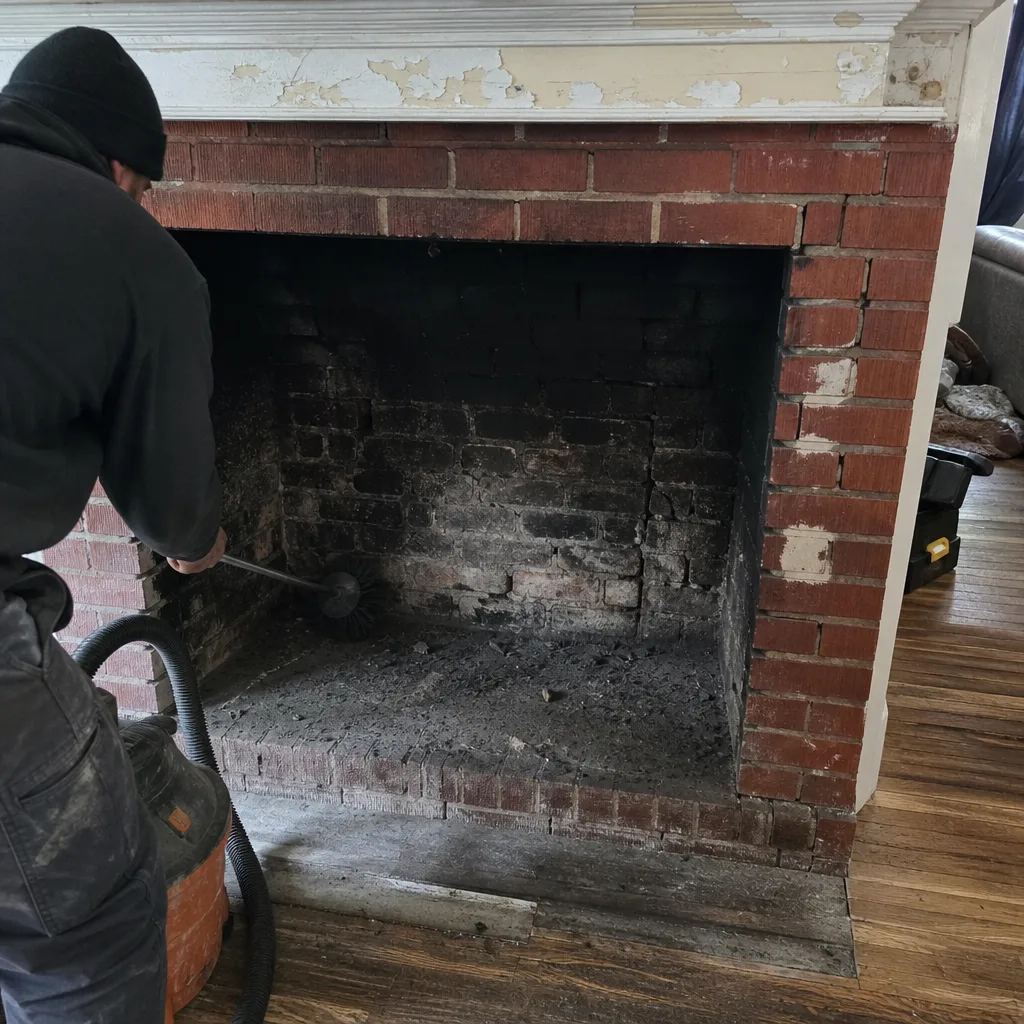 Before
 After
 Before
 After