
Last updated November 22, 2026
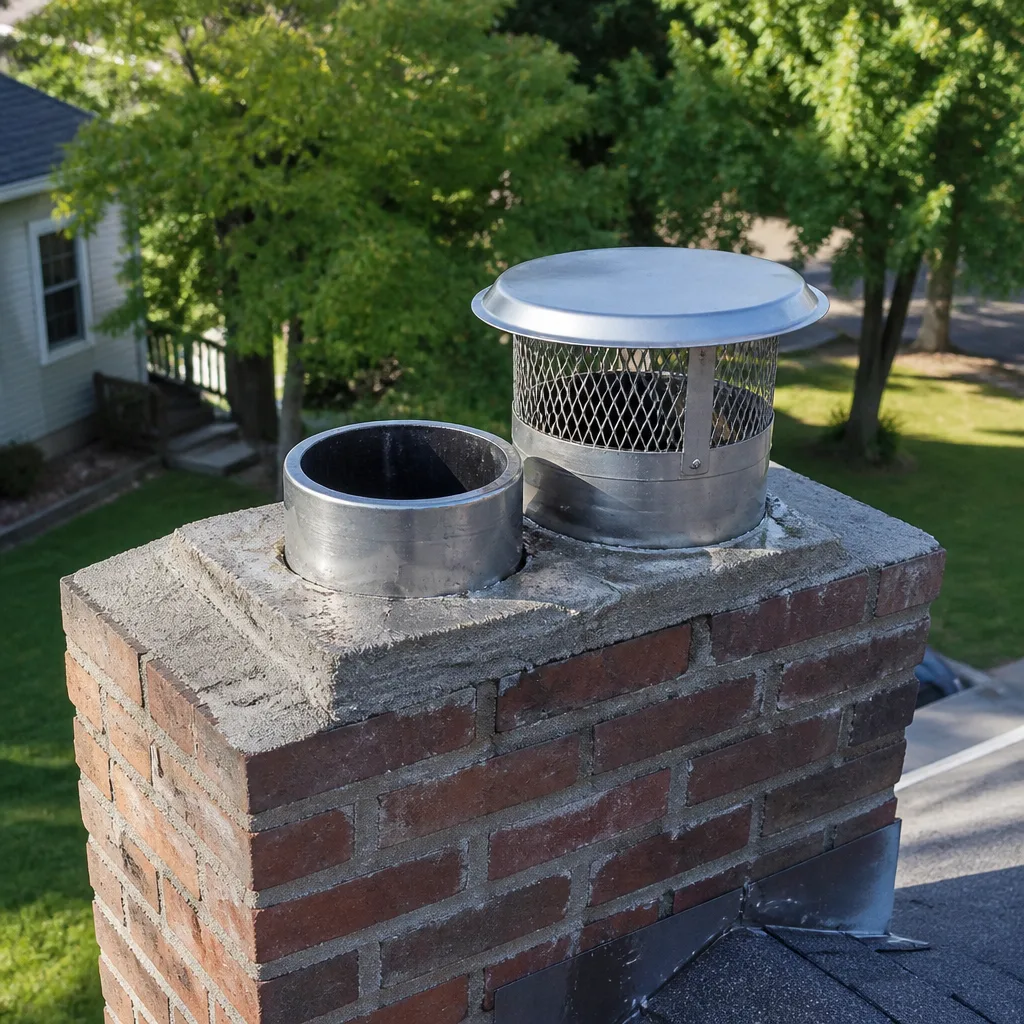 Sweep & inspection
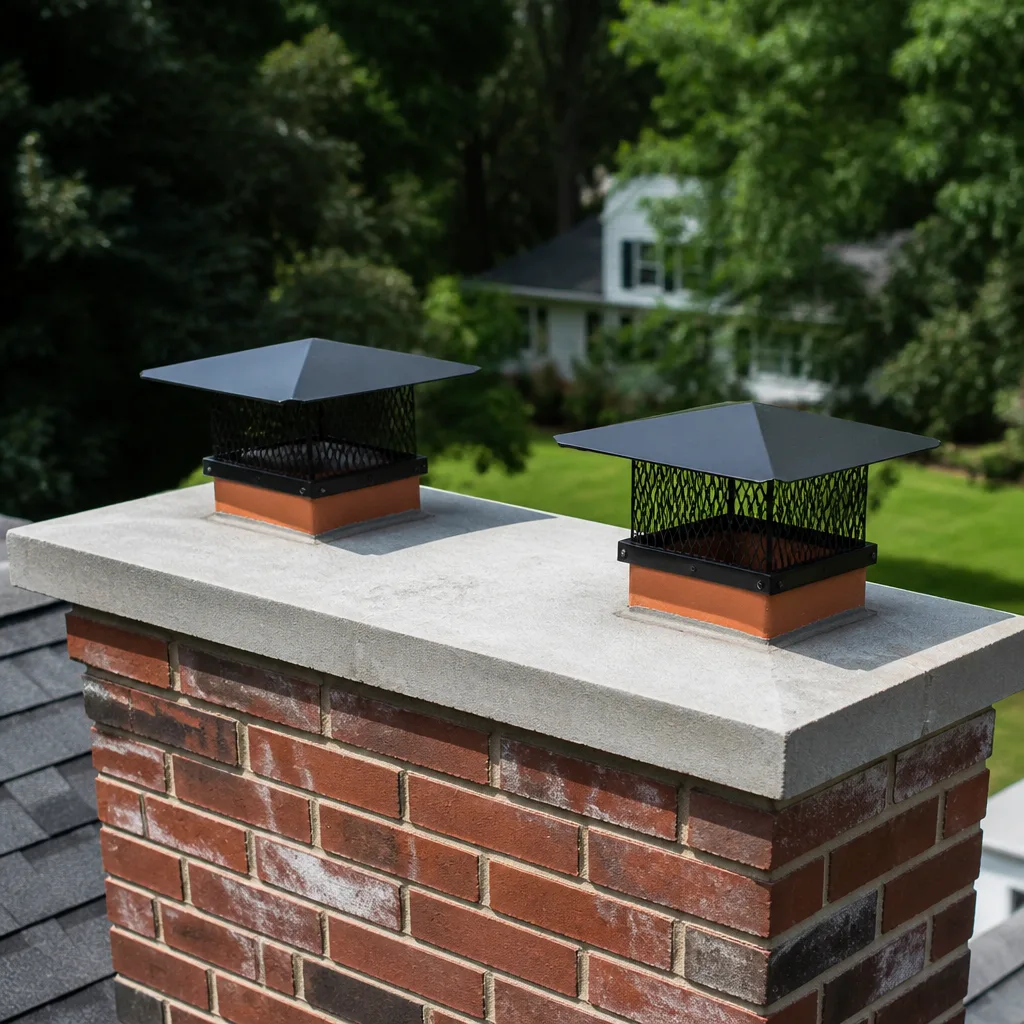 Caps & crowns
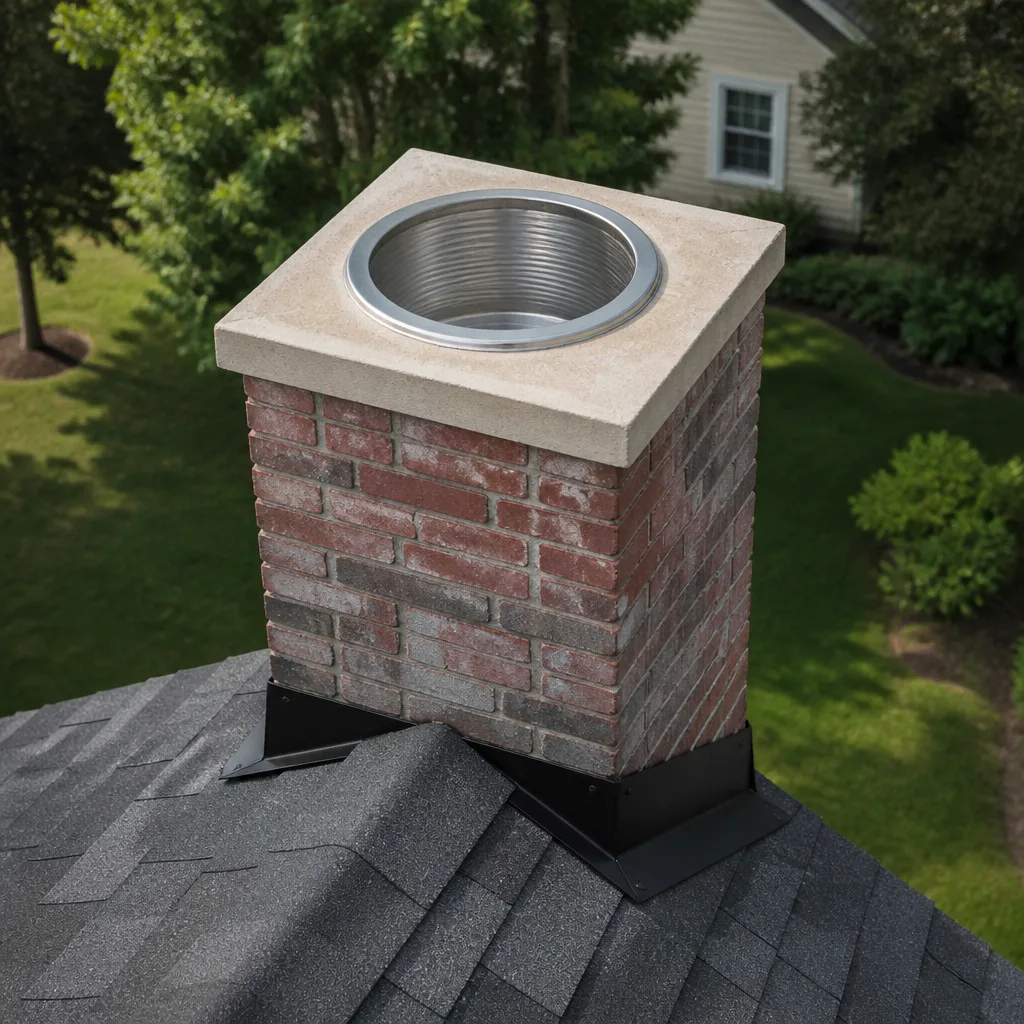 Flue relining
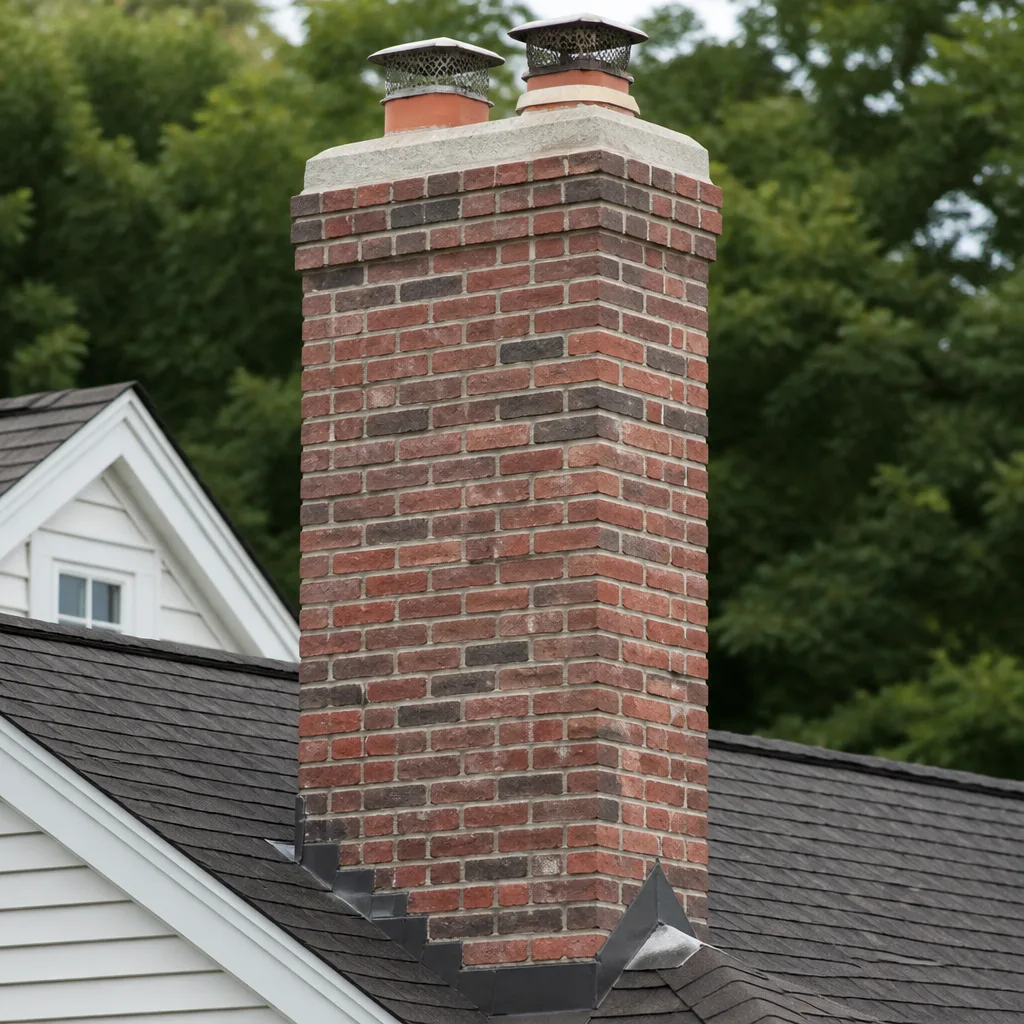 Masonry repair
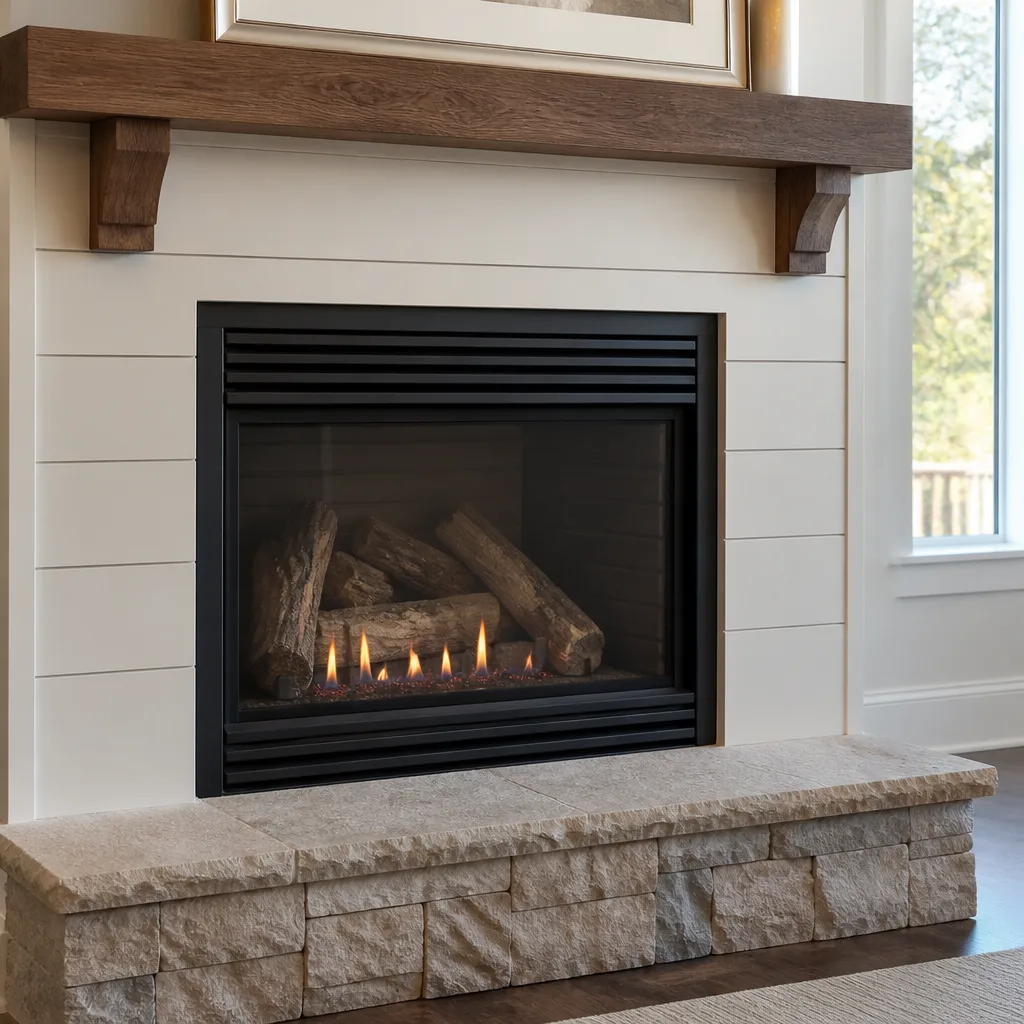 Gas fireplace service
Level 1 sweep and inspection to the NFPA 211 annual standard - flue, crown, cap, and flashing checked and photographed
Chimney sweep logs do not sweep chimneys. They loosen some creosote - which then falls where a brush and vacuum still have to collect it.
Choosing the Right Chimney Cleaning Brand: A Buyer’s Guide for Canarsie
If a chimney company can’t name the specific liner system or sealant they’re applying to your flue, they either don’t know or don’t want you to know. Neither is acceptable when the product is bonded to a 60-year-old tile liner. Most homeowners in Canarsie hire a sweep on price and a friendly phone manner, then never learn what went into their chimney. The brand of sealant, the resurfacing system, the gauge of the cap – these decide whether a repair lasts two winters or twenty. This guide names the products, explains what each one is actually designed to do, and shows you how to ask a contractor a question they can’t dodge. You’ll finish knowing exactly what deserves a spot in your chimney and what belongs in a hardware-store bargain bin.
Quick Answer
The right chimney cleaning brand in Canarsie is the one whose products come with published spec sheets and are rated for your specific flue and climate – not the cheapest name on a truck door. For liner resurfacing that means HeatShield’s Cerfractory system or a cast-in-place product like Supaflu rated to the temperatures your appliance actually produces, and for waterproofing it means a vapor-permeable sealant such as ChimneySaver rather than exterior paint. Ask any contractor to name the product, the manufacturer, and the rated conditions; if they can’t, keep calling.
Styles & brands we work with
- Sweep & inspection
- Caps & crowns
- Flue relining
- Masonry repair
- Gas fireplace service
Table of Contents
- Why Chimney Product Brands Matter More Than You Think
- Creosote Removal Products: What Rutland, Anti-Creo-Soot, and CSL Actually Do
- Liner Repair and Resurfacing: HeatShield vs. Cast-in-Place Systems
- Waterproofing Sealants: ChimneySaver vs. Siloxane and Why Paint Fails
- Chimney Caps and Chase Covers: Lyemance, Gelco, Famco, and Custom Fabrication
- How to Ask a Canarsie Contractor What They’re Using
- Reading Manufacturer Spec Sheets Like a Pro
- How Canarsie Homes and Climate Shape Product Choice
Why Chimney Product Brands Matter More Than You Think
Two chimney companies can quote the same price for “crown repair” and install two completely different things. One uses a flexible, vapor-permeable sealant formulated for masonry. The other brushes on a hardware-store elastomeric caulk that traps moisture inside the crown and pops off after a hard freeze. The homeowner sees the same receipt either way.
That gap is what this guide is about. Chimney work is mostly invisible after the fact – once the cap is set and the crown is sealed, you’re trusting that the right product went on. The brand is your only proxy for whether the job was done with a material rated for the conditions. Manufacturers publish data sheets that state exactly what a product bonds to, what temperature it tolerates, and what surface preparation it requires. A professional who names their products is inviting you to check that data. A sweep-only crew that says “we use the good stuff” is asking you to take it on faith.
In Canarsie, the stakes are specific. The housing stock runs heavily to older brick and masonry homes built mid-century or earlier, many with original clay tile liners that have had decades of heating cycles through them. A tile liner that has hairline cracks doesn’t fail dramatically – it just quietly lets heat and creosote reach places they shouldn’t. The product bonded to that liner is the difference between a repair that holds and a repair that has to be redone.
- Professional-grade products come with manufacturer spec sheets, rated temperature ranges, and installation requirements.
- Consumer substitutes are sold on the shelf at a big-box store with a vague label and no rated conditions for flue interiors.
- The brand is the paper trail – it tells you whether the material was chosen for your chimney or pulled off a shelf because it was cheap.
At Chimney Sweep Canarsie, the products we work with – Chimney Sweep Canarsie included – come from names like DuraFlex, HeatShield, Gelco, Olympia Chimney, Famco, and Copperfield. These are brands specified by chimney professionals because they’re made for the job, not adapted to it. That’s the difference you’re paying for when you hire a specialist instead of a generalist with a brush.
Creosote Removal Products: What Rutland, Anti-Creo-Soot, and CSL Actually Do
Creosote is the residue of incomplete combustion, and it builds in layers on your flue walls – from a light soot at the top to a tar-like glaze at the worst. A handful of brands claim to break it down. They don’t all do the same thing, and none of them replaces a physical sweep.
Here’s how the three best-known names compare.
- Rutland makes a range of chimney and fireplace products, including creosote-removal powders and soot-removal sprays. The powder is designed for periodic use during the heating season to help break down light soot and keep creosote from building as quickly. It is not a substitute for the brush; it’s a maintenance aid for someone who’s already sweeping on schedule.
- Anti-Creo-Soot is a spray-on product formulated for the firebox that’s meant to help break down stage-two and stage-three creosote through repeated applications. It works by altering the chemistry of the residue over time. It’s slow – it takes multiple burns – and it does not remove a heavy buildup.
- CSL (Creosote Sweeping Log) is a log-shaped product you burn in place of a normal fire. As it burns it releases minerals that coat the flue and cause creosote to flake. It’s a mild maintenance tool. Homeowners sometimes mistake it for a cleaning, which it isn’t – you still need a brush and a technician.
The honest answer on all three: they’re designed for prevention and light maintenance, not removal. If creosote has reached stage three – the hard, glazed, tar-like layer that’s the real fire risk – no chemical product sold to homeowners will take it off safely. That requires a physical sweep with the right brushes and, in the worst cases, a rotary method. A sweep without an inspection to check what stage of creosote you’re actually dealing with is a missed diagnosis.
For Canarsie homeowners burning wood regularly through the winter, the practical rule is: use these products to slow buildup, but don’t let them give you an excuse to skip the annual chimney sweep. Our technicians have up to 8 years of experience and can tell you what stage you’re at after the first pass.
Liner Repair and Resurfacing: HeatShield vs. Cast-in-Place Systems
This is where product choice gets genuinely consequential – and where most homeowners have no idea there are options beyond “replace the whole liner.” There are two main approaches to fixing a damaged flue interior. They do different jobs and suit different situations.
HeatShield is a resurfacing system. It’s applied as a cementitious material that bonds to the inside of the existing flue and rebuilds a smooth, seamless surface – the Cerfractory formulation is designed to restore a compromised clay tile liner without full replacement. The material is rated to high temperatures and, in the conditions a typical wood-burning appliance produces, it gives you a renewed liner at a fraction of the disruption. It’s the go-to choice when the tile is cracked, spalled, or has gaps at the joints but the chimney structure itself is sound.
Cast-in-place systems – Supaflu and Golden Flue are the two names you’ll hear most – work differently. They use a castable refractory or insulating cement poured or sprayed around a form to create an entirely new liner inside the existing flue. These are heavier-duty. They’re appropriate when the original liner is beyond resurfacing, when you’re changing appliance type (say, moving to a higher-efficiency insert), or when there’s no functional liner left to work with. The insulation value of cast-in-place can be higher, and the rated temperature tolerances are typically well above what a wood-burning fireplace produces.
What do those temperature ratings mean for you? Both approaches are rated for the flue gas temperatures a residential wood appliance generates. The difference shows up at the margins – how the material behaves through repeated heating and cooling cycles, how it handles a chimney fire if one ever occurs, and how thick the finished wall is. A cast-in-place liner adds more mass and more insulation; HeatShield resurfacing keeps the flue diameter closer to original. For most Canarsie homes with older tile liners and standard fireplaces, HeatShield is the more appropriate and less invasive path. For a liner that’s fallen apart, or for a conversion to an insert, cast-in-place is what we’d recommend.
Choosing between them is a diagnostic question, not a sales question. It requires a camera inspection and someone who can read the condition of the existing liner. That’s exactly why a company that can inspect, resurface, and repair under one roof matters – you don’t get a second contractor with a second opinion, you get one diagnosis and one accountable fix. If you’re wondering whether your liner is a resurfacing job or a replacement job, our chimney repair team can tell you after a look.
Waterproofing Sealants: ChimneySaver vs. Siloxane and Why Paint Fails
Water is the most common cause of chimney deterioration in Canarsie – more than fire, more than creosote. Rain soaks into brick and mortar, freezes, expands, and flakes the masonry from the inside. The fix sounds simple: seal the chimney. The choice of sealant is where most homeowners get steered wrong.
Exterior paint is the classic mistake. Paint is not a chimney sealant. It traps moisture inside the masonry and peels off as soon as the trapped water vapor pushes through. Within a couple of seasons the chimney looks worse than before. A silicone-based masonry paint is only marginally better.
What you actually need is a vapor-permeable water repellent. That means the product stops liquid water from soaking in from outside, but still allows water vapor generated inside the chimney to escape. If the sealant isn’t breathable, the masonry can’t dry and the same freeze-thaw damage continues.
- ChimneySaver Water Repellent is a silane-siloxane blend specifically formulated for chimney masonry. It’s vapor-permeable, rated for the surface, and designed to penetrate rather than sit on top. It’s the product most chimney professionals reach for because it’s been formulated for exactly this application rather than borrowed from a general masonry line.
- Siloxane-based alternatives are the more general category. Good siloxane sealants are also vapor-permeable and effective on brick and mortar. The variation is in solids content and penetration depth – some are diluted and don’t last as long as a chimney-specific product. Reading the manufacturer spec sheet tells you the coverage rate and the expected service life.
Whichever direction you go, the surface has to be clean and dry before application, and the crown and cap above it need to be in good shape first. Waterproofing a chimney with a cracked crown is like sealing a boat without patching the hole. That’s why chimney cap & crown work comes before waterproofing in any sensible sequence, and why we do both.
Chimney Caps and Chase Covers: Lyemance, Gelco, Famco, and Custom Fabrication
A chimney cap is the single highest-value piece of hardware on your chimney. It keeps out rain, snow, animals, and debris, and it reduces downdrafts. Yet plenty of chimneys in Canarsie have no cap at all, or a rusted-through one that’s doing nothing.
The cap also happens to be where brand and material choice gets most visible. Here’s how the common options stack up:
- Lyemance is a top-mount damper and cap system – it seals the flue at the top instead of the firebox, which stops heated room air from escaping up the chimney when you’re not burning. It’s a functional upgrade for a wood-burning fireplace and popular with homeowners who want the cap and the damper to work together.
- Gelco is a chimney cap and cover manufacturer whose products are specified by chimney professionals. The line includes stainless and galvanized options for standard and odd-size flues.
- Famco and Copperfield are the other names you’ll see on caps and chase covers – both are chimney-supply brands rather than consumer retail products, which matters if you want a cap that still looks the same in fifteen years.
The material question that gets skipped: gauge. A stainless steel cap at a heavier gauge resists rust longer than a thin-gauge one, and in a humid, freeze-thaw climate that difference matters. It’s not a dramatic failure – the thin cap just starts to show rust and eventually perforates. When you’re having a cap installed, ask what gauge stainless is being used and check it against the manufacturer’s spec sheet. A custom-fabricated cap in the right gauge and the right size for your flue is worth more than a cheap universal one that doesn’t fit.
Chase covers – the metal housings over a chimney chase on many homes – are a related product. Custom fabrication is often the right call when the chase isn’t a standard size, because an ill-fitting cover lets in the same water it was supposed to keep out. If your chimney has been uncapped or under-capped for years, an inspection will usually show water damage at the crown or in the smoke chamber. That’s cheap to address early and expensive later. Chimney problems don’t get cheaper when you wait.
How to Ask a Canarsie Contractor What They’re Using
None of this knowledge helps unless you can put it into a question. The good news is that the question is short and the answer is hard to fake. A contractor who knows their products will name them, explain why they were chosen, and point you at the spec sheet. One who doesn’t will deflect.
Use these steps when you’re vetting a company for chimney work.
- Ask for the product name and manufacturer. “What liner system are you using?” or “What sealant are you applying to the crown?” If the answer is “a good one” or “the standard stuff,” that’s your answer.
- Ask why that product for your chimney. The right system depends on the condition of the flue, the appliance type, and the surface. A contractor who’s inspected your chimney should be able to explain the match.
- Ask for the manufacturer’s spec sheet. Any professional-grade product has one. HeatShield, DuraFlex, ChimneySaver – all of them publish what the product bonds to and what it’s rated for.
- Cross-reference the spec against your flue. If the sheet says the surface must be clean and dry, ask how they’re preparing it. If it stages a temperature rating, ask whether your appliance falls within it.
- Ask what could make the repair fail. A good chimney technician will tell you the failure modes – moisture, poor surface prep, mismatched materials. A bad one will say it won’t.
- Ask what happens if the inspection finds something worse. The advantage of a full-service company is that the same person who finds the problem can fix it. Confirm that before you hire, not after.
There’s a related question worth asking: does the company handle the whole chimney? A sweep-only crew can clean a flue and tell you the crown is failing – but the crown repair goes to someone else, and the finger-pointing starts if something doesn’t hold. In our experience, the single point of accountability is worth more than a slightly lower cleaning price. A sweep without an inspection is a missed diagnosis, and an inspection without the ability to act on it just leaves you with a to-do list.
Reading Manufacturer Spec Sheets Like a Pro
The spec sheet is the product’s own statement of what it can and can’t do, and it’s usually a one-page PDF on the manufacturer’s website. You don’t need a trade background to read one – you need to know what four sections mean.
- Surface preparation: what has to be done before the product goes on. Any stainless-steel cap, sealant, or resurfacing product that requires a clean, dry, oil-free surface will fail if it’s applied over dirt or loose material. This is the section that catches shortcut installation.
- Rated temperature: the maximum flue gas temperature the product is designed for. A resurfacing cement and a castable liner both carry a rated maximum; so do cap gaskets and damper seals. If the number isn’t there, don’t accept the product for a flue interior.
- Coverage and service life: how much area a unit covers and how long the manufacturer expects it to last. Chimney sealants vary from a few seasons to well over a decade depending on formulation.
- Application method: spray, brush, cast, bond. This tells you whether the job is a professional installation or something you could reasonably do yourself – and for anything bonded to a flue interior, it’s the former.
Cross-reference those sections against what your contractor proposed. If the spec says the product needs a clean, dry flue and the contractor isn’t planning to prep the surface, that’s a red flag. If a cap is advertised as stainless but the gauge isn’t listed, ask. If a resurfacing product doesn’t have a stated temperature rating for the application, it’s the wrong product for the job.
The exercise takes ten minutes and it’s the difference between trusting a brand and trusting a claim. We name what we install so you know exactly what’s protecting your home – HeatShield, DuraFlex, Gelco, Olympia Chimney, Famco, Copperfield – and any of those names can be checked on the manufacturer’s own site before you sign anything.
How Canarsie Homes and Climate Shape Product Choice
Product choice isn’t abstract – it depends on what’s actually in a Canarsie chimney. The neighborhood has a lot of mid-century and older masonry homes, many with original clay tile liners and older fireplaces. Roof lines vary, chimneys are often exposed on more than one side, and the winter freeze-thaw cycle is relentless. That combination puts a premium on two things: a liner that can be restored rather than ripped out, and a waterproofing strategy that lets masonry dry from the inside.
The homes also tend to have their fair share of deferred maintenance. A chimney that hasn’t been swept in years likely has a cracked crown, a rusted cap, or both. Water enters, freezes, and the freeze-thaw cycle does the rest. Any product installed on top of that damage – a fresh coat of waterproofing over a failed crown, a resurfacing job on a flue with heavy glazed creosote still clinging to the tile – won’t last. The order matters: inspect, clean, repair, protect.
That sequence is why we work in five categories rather than one. Sweeping, inspection, chimney cap & crown, chimney repair, and fireplace repair cover the full lifecycle of the chimney, and the products we stock or specify fit each stage. When a Canarsie homeowner calls, the first job is a camera inspection and a sweep; the second is honest advice about what the camera showed and what, if anything, needs product. If nothing needs doing, we’ll tell you. If something can wait a season, we’ll tell you that too.
Common Mistakes to Avoid
- Buying a creosote-removal log and calling it a cleaning. CSL and similar products are maintenance aids, not a replacement for a brush. If you haven’t had a physical sweep, a treated fire doesn’t change that – and the residue can still be at a stage that needs a technician.
- Sealing the chimney with exterior paint. Paint traps moisture in the masonry and peels off. A vapor-permeable water repellent like ChimneySaver is the correct product, and it costs less than repainting a peeling chimney twice.
- Installing a cap that’s undersized or thin-gauge. A universal cap that doesn’t fit lets in the same water and animals the cap was purchased to stop. Ask for the gauge and the manufacturer before the cap goes on.
- Skipping the inspection to save on the sweep. A sweep without an inspection is a missed diagnosis. The camera is the cheapest part of the visit and it’s where the real information comes from.
- Hiring a sweep-only crew for a repair. Splitting inspection and repair between two vendors leaves you with no one accountable when a repair fails. Confirm that the company that finds the problem can fix it.
- Choosing a liner system without checking the rated temperature. HeatShield, Supaflu, and Golden Flue are not interchangeable – the right one depends on the condition of the flue and the appliance. Ask what rating the product carries and why it fits your chimney.
- Skipping the crown repair before waterproofing. Sealing a chimney with a failed crown is a waste of the sealant. Fix the crown first, then protect the masonry.
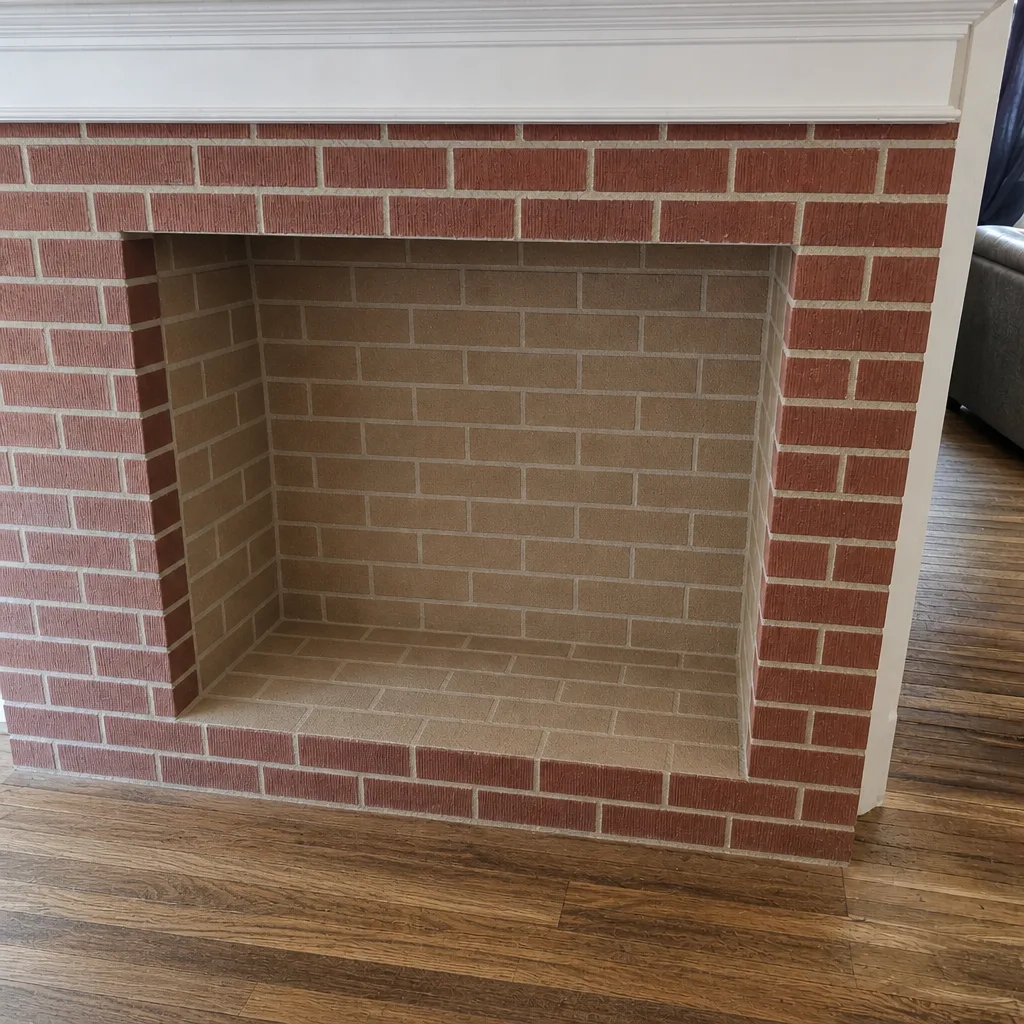
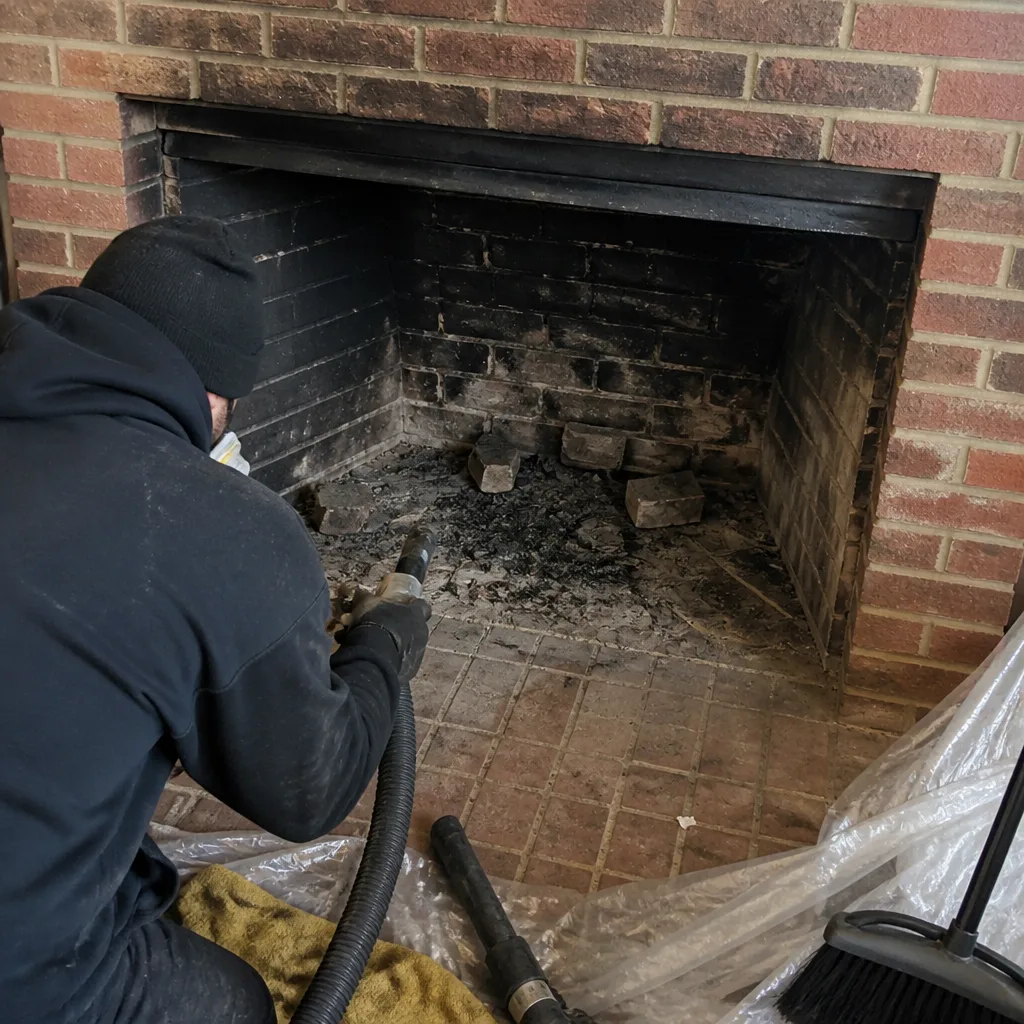
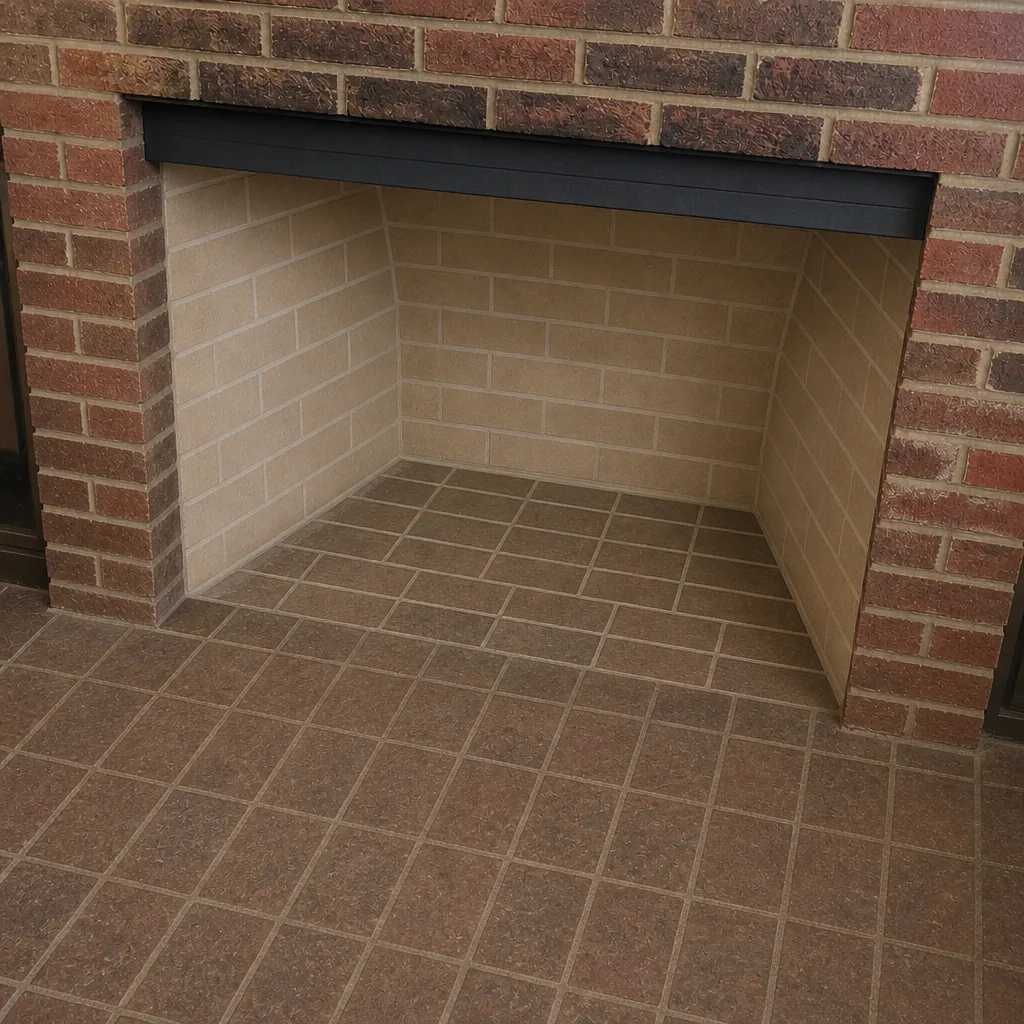
See the difference
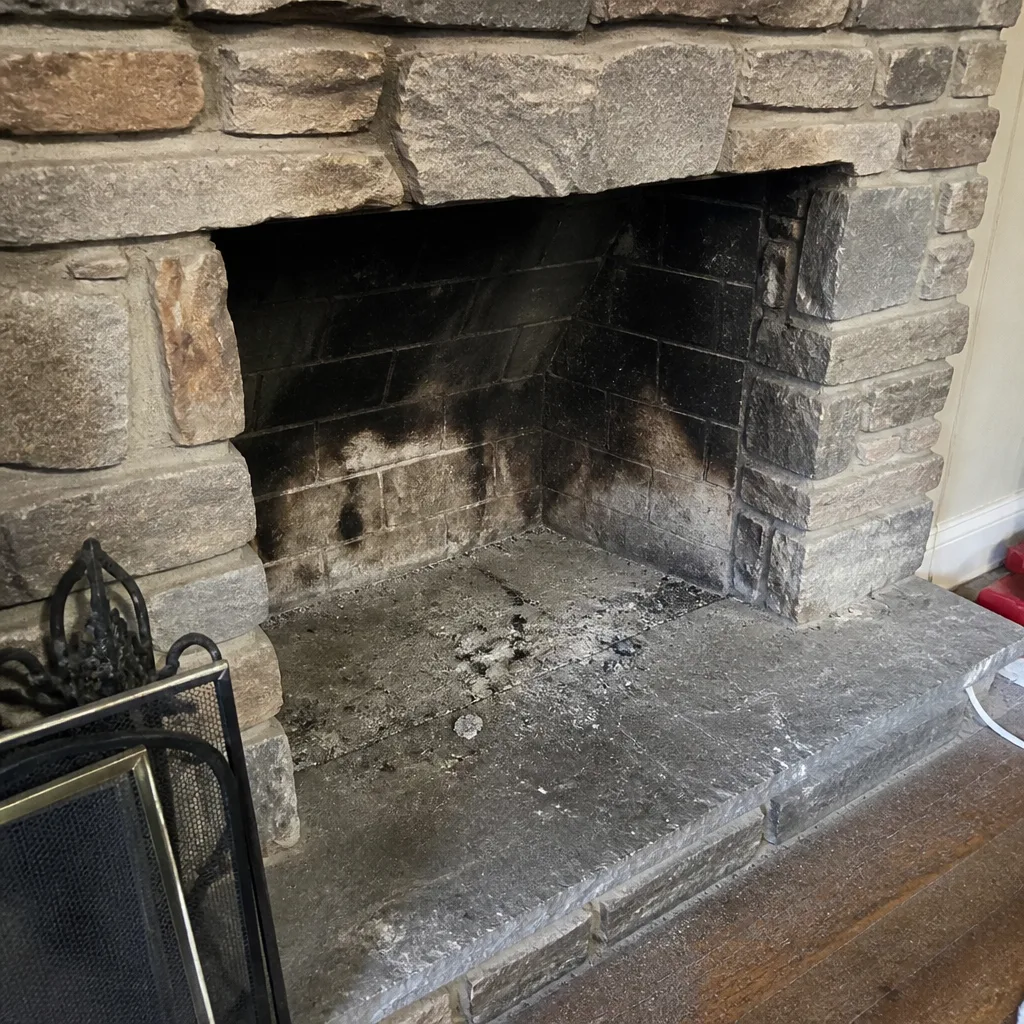 Before
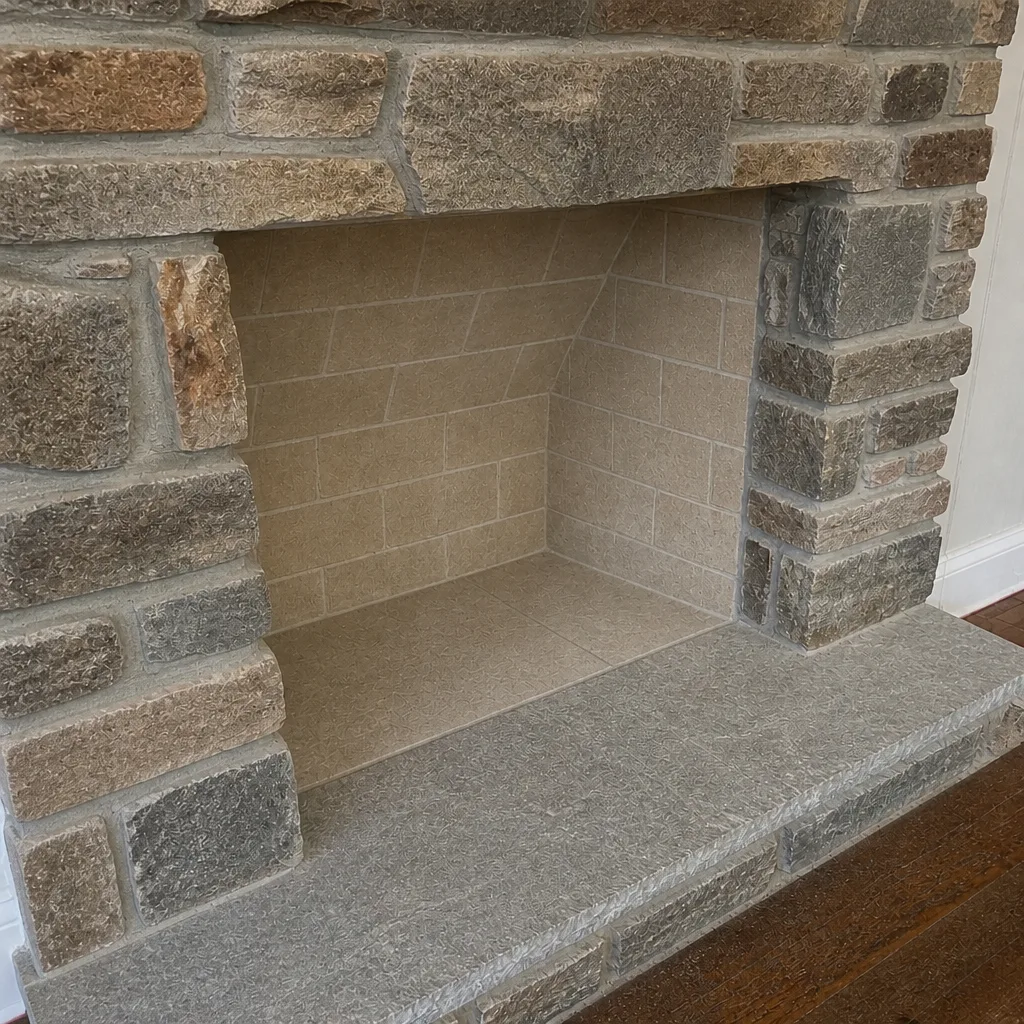 After
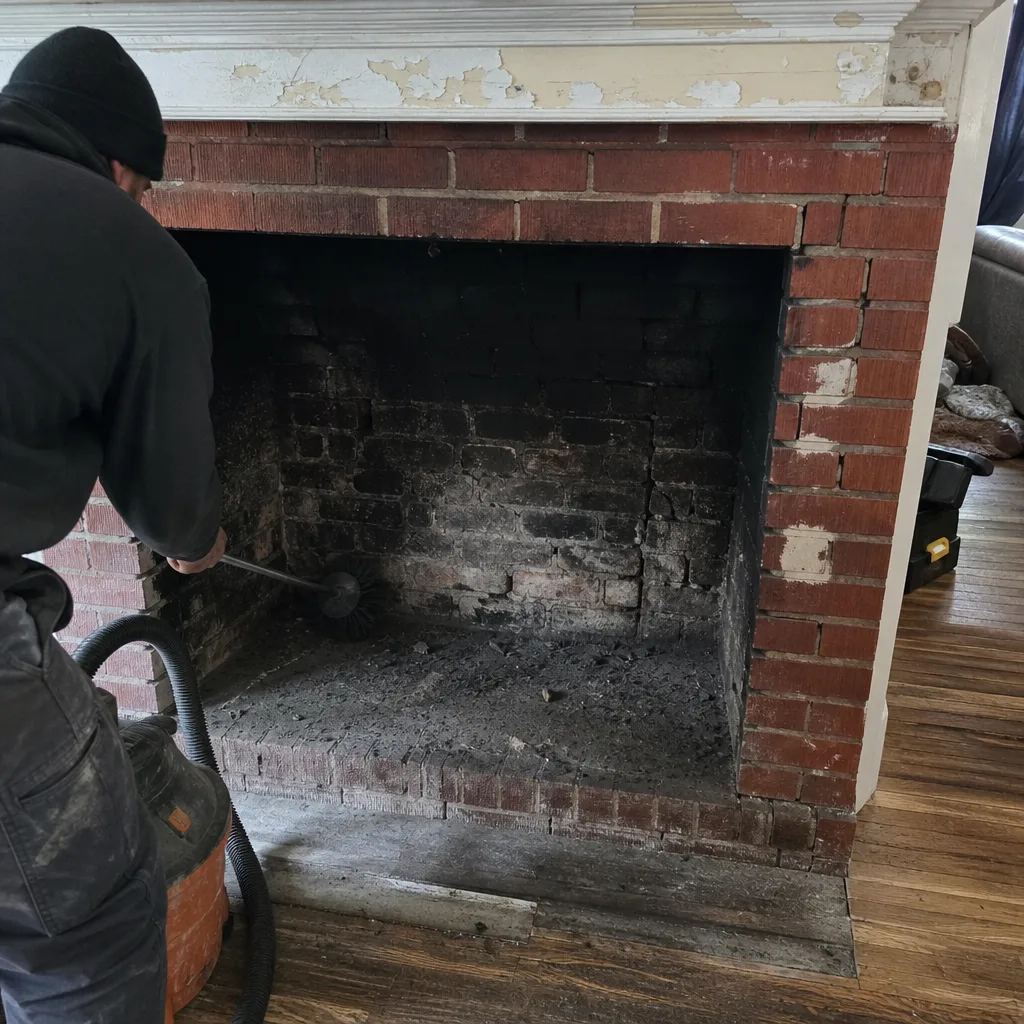 Before
 After
 Before
 After
When to Call a Professional
Some chimney work can wait for the next scheduled inspection; some can’t. Call a professional if you’re seeing water stains on the ceiling near the chimney, if the firebox has a persistent smell even when there’s no fire, if the chimney cap is missing or visibly damaged, if you’ve just bought a house and don’t have a record of the last sweep, or if you’ve noticed the masonry flaking and spalling on the exterior. The same goes for a fireplace that smokes into the room – it’s often a downdraft or crown issue, and it’s diagnosable. None of these are reasons to panic, but each one is a reason to get an inspection, because the fix is cheaper now than after a winter of freeze-thaw.
Chimney Sweep Canarsie offers free estimates in Canarsie – call (833) 508-9953. We answer 24/7. Fast dispatch from 7am to 7pm, Sunday through Friday. The local pro is licensed and insured as their state requires, and nothing is recommended without camera evidence you can see for yourself.
Frequently Asked Questions
For most Canarsie homes the professional-grade names worth asking for are HeatShield for liner resurfacing, DuraFlex for flexible liners, ChimneySaver for waterproofing, and Gelco, Famco, or Copperfield for caps. Rutland, Anti-Creo-Soot, and CSL are useful for creosote maintenance but don’t replace a physical sweep. The best brand is the one whose spec sheet matches your flue – ask the contractor to name it and check the data. Call (833) 508-9953 for an exact quote – estimates are free.
Creosote removal products work for prevention and light maintenance, but they don’t replace a physical sweep. Rutland powders, Anti-Creo-Soot sprays, and CSL logs are designed to slow buildup or break down early-stage residue over time. A heavy, glazed creosote layer requires a technician with the right brushes and, in some cases, a rotary method. If you’ve been relying on a product instead of a sweep, that’s a good reason to book an inspection. Call (833) 508-9953 for an exact quote – estimates are free.
The brand of liner system matters because HeatShield resurfacing, Supaflu, and Golden Flue cast-in-place systems do different jobs and suit different conditions. HeatShield restores a damaged but structurally sound clay tile liner without full replacement; cast-in-place creates a new liner when the original is beyond resurfacing or when the appliance is being changed. The rated temperature tolerances matter for what your flue actually produces. A professional will match the system to your inspection results, not to what’s convenient. Call (833) 508-9953 for an exact quote – estimates are free.
Exterior paint is a bad choice because it traps moisture inside the masonry instead of letting it escape. The trapped water vapor pushes the paint off and continues the freeze-thaw damage underneath. A vapor-permeable sealant such as ChimneySaver Water Repellent stops liquid water from soaking in while still allowing the masonry to dry. That’s the product formulation to ask for. Call (833) 508-9953 for an exact quote – estimates are free.
The right cap brand depends on the flue size, the chimney type, and the material. Lyemance top-mount dampers, Gelco caps, and Famco or Copperfield covers are all professional-grade options, and custom fabrication is worth considering when the flue or chase isn’t standard. Ask what gauge stainless the cap uses and check it against the manufacturer’s spec sheet. A cap that fits and holds up is what keeps water out of the crown. Call (833) 508-9953 for an exact quote – estimates are free.
Yes, and it’s the better way to go. Chimney Sweep Canarsie handles sweeping, inspection, cap and crown work, chimney repair, and fireplace repair under one roof, so the company that finds the problem is the one qualified to fix it. That single point of accountability avoids the finger-pointing that comes when inspection and repair are split between vendors. The local pro is licensed and insured as their state requires. Call (833) 508-9953 for an exact quote – estimates are free.
The Bottom Line
The product behind a chimney repair matters more than the price on the estimate. HeatShield’s resurfacing system will last longer than generic patching cement because it’s formulated for flue interiors. ChimneySaver’s water repellent will keep your masonry dry where exterior paint fails. A properly gauged Gelco or custom cap will still be doing its job years after a thin universal one rusts through. Ask any Canarsie contractor to name their products, and check the spec sheet. It takes ten minutes and it’s the difference between a repair that holds and a repair you’ll redo. If you want a second set of eyes on a chimney, call (833) 508-9953. We answer 24/7, dispatch runs 7am to 7pm Sunday through Friday, and estimates are free. The local pro is licensed and insured as their state requires, and nothing is recommended without camera evidence you can see yourself.
Written by the team at Chimney Sweep Canarsie.