
Last updated November 22, 2026
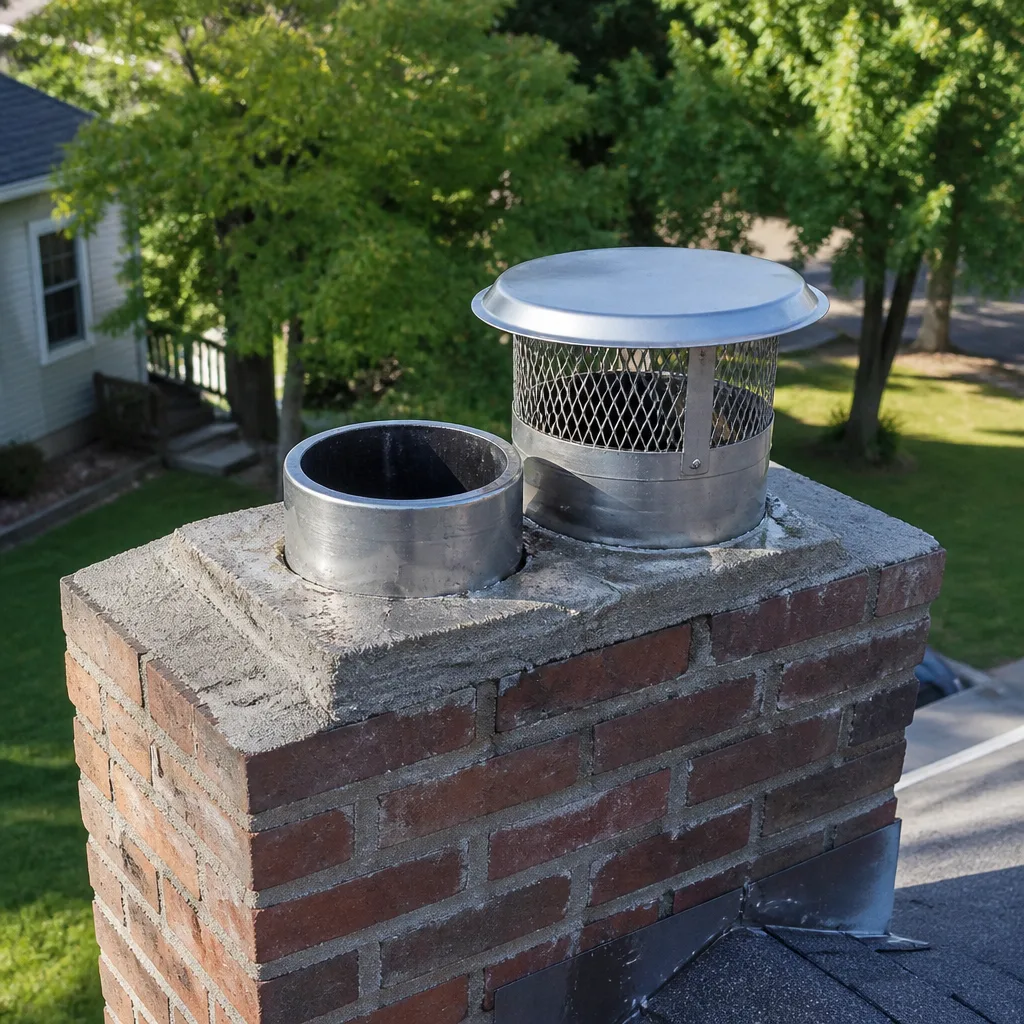 Sweep & inspection
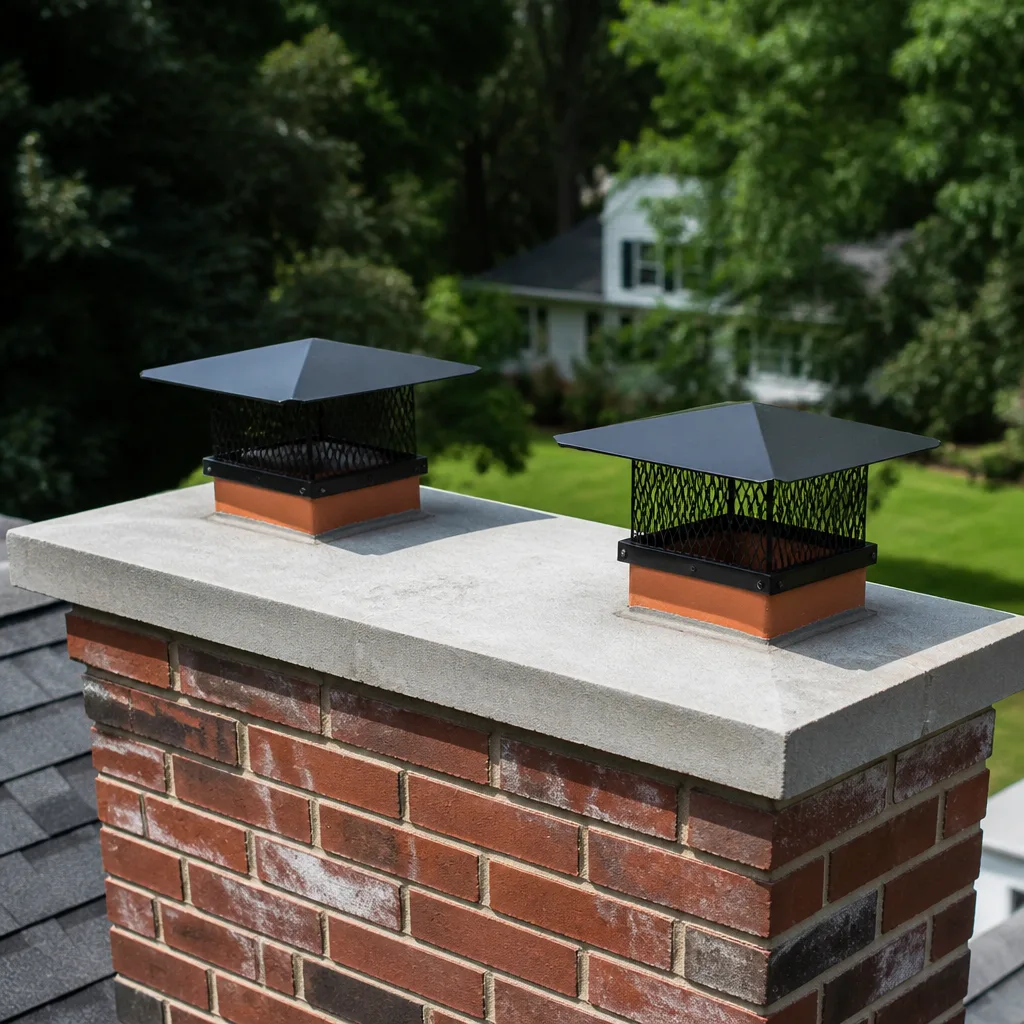 Caps & crowns
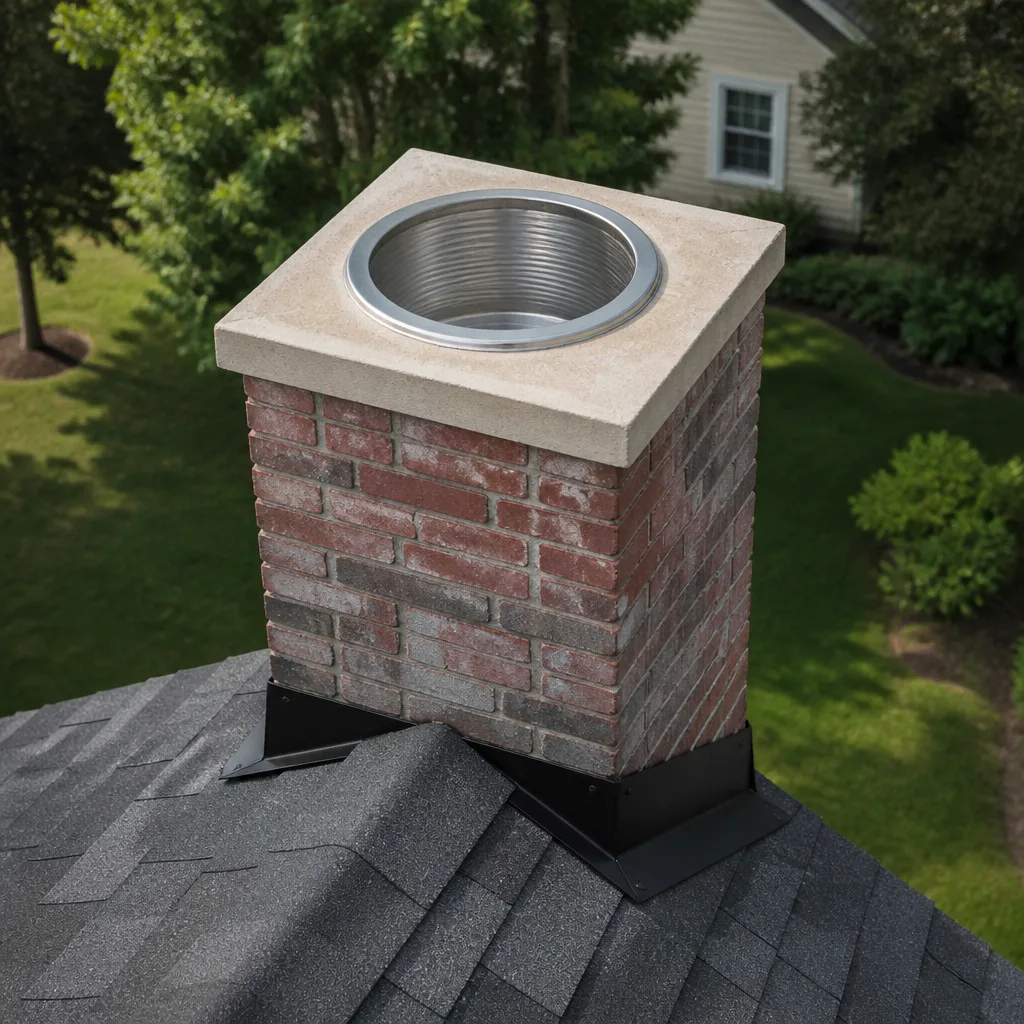 Flue relining
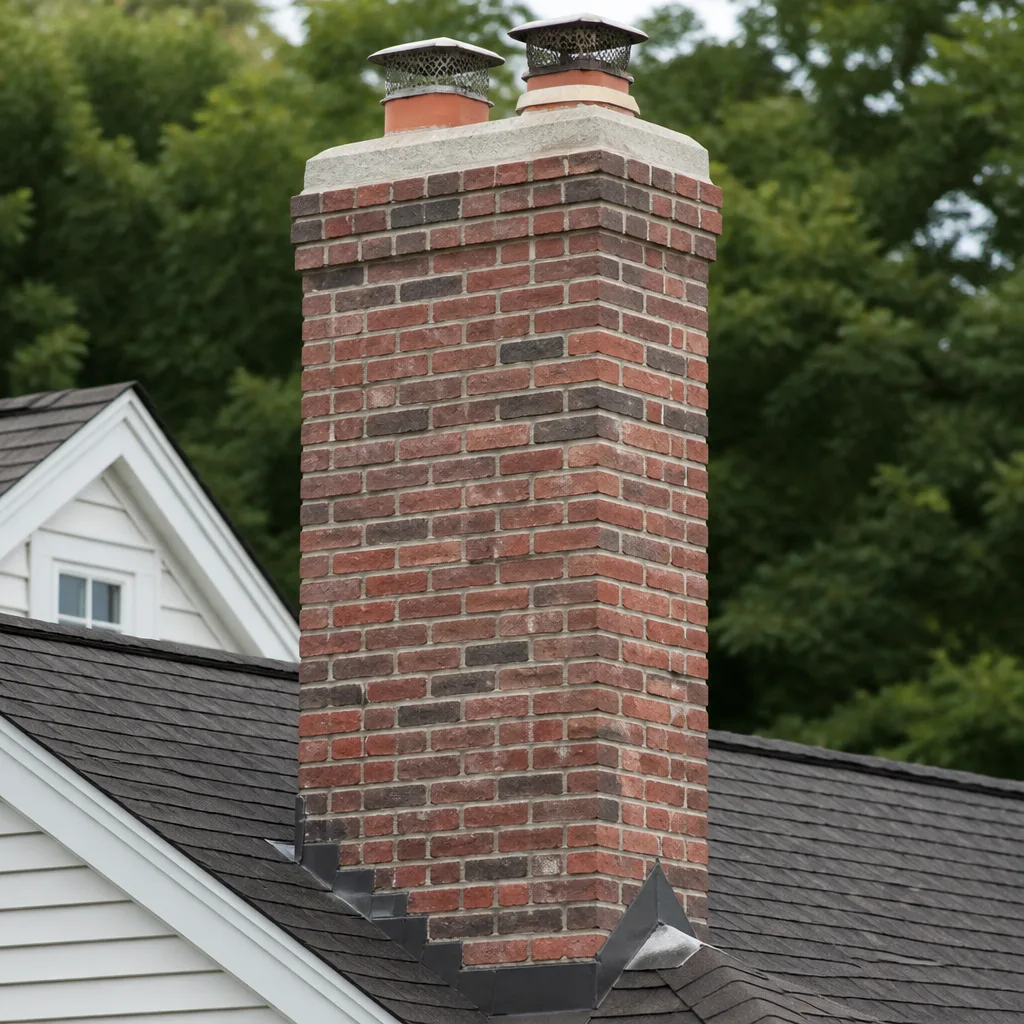 Masonry repair
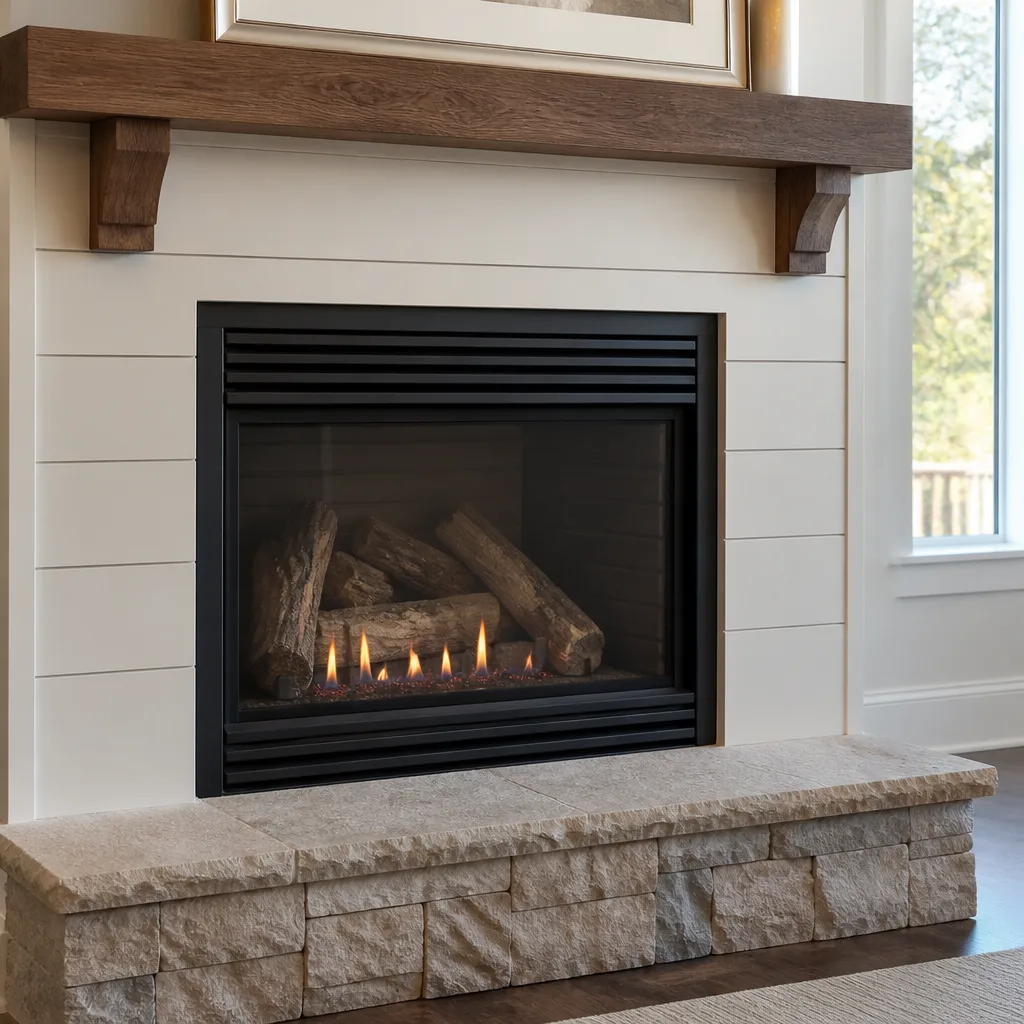 Gas fireplace service
Level 1 sweep and inspection to the NFPA 211 annual standard - flue, crown, cap, and flashing checked and photographed
Chimney sweep logs do not sweep chimneys. They loosen some creosote - which then falls where a brush and vacuum still have to collect it.
Chimney Sweep Maintenance Checklist for Canarsie Homeowners
The crown is the first thing to crack on a Canarsie chimney and the last thing most homeowners think to look at. It sits up there at the top of the stack, plain and unglamorous, and the small hairline split in that concrete cap lets water in slowly for years. By the time a brown ring shows up on the ceiling drywall or the flue starts to sour, the small repair has become a large one. This guide gives you a homeowner-level checklist you can run yourself, from the ground with binoculars and from the living room with a flashlight, before you call anyone, so you already have a sense of whether you’re looking at a routine chimney sweep or something bigger. We walk you through what to check, how often to check it, what to log year over year, and which findings mean stop using the fireplace today.
Quick Answer
Run a chimney maintenance checklist in Canarsie twice a year: a ground-level visual from the yard in spring and fall, paired with an interior check of draft, odor, smoke rollback and damper operation at the start and end of the burning season. Book a professional sweep and inspection once a year if you burn wood, once a year if you vent an oil appliance, and every two years for a gas insert with a clear vent. Red-line findings, like a collapsed flue, visible fire damage, or smoke backing into the room, mean stop using the fireplace and get the system looked at.
Styles & brands we work with
- Sweep & inspection
- Caps & crowns
- Flue relining
- Masonry repair
- Gas fireplace service
Table of Contents
- The Ground-Level Roof Check: What You Can See With Binoculars
- The Interior Check: Draft, Odor, Smoke Rollback and the Damper
- Frequency Benchmarks by Fuel Type
- How to Log Findings Year Over Year
- Red-Line vs. Amber Findings: Stop-Using-It vs. Schedule-It
- Crown, Flashing and Cap: The Repair Side of the Checklist
- A Seasonal Calendar for Canarsie
The Ground-Level Roof Check: What You Can See With Binoculars
You don’t need to walk the roof to learn a lot about a chimney. A pair of binoculars and a clear vantage point on the driveway or the sidewalk across the street will answer most of the questions a professional asks in the first five minutes. This is the safest way to inspect a chimney in Canarsie, and the weather here is on your side: fewer freeze-thaw cycles than upstate, but plenty of wind-driven rain off Jamaica Bay and strong summer downpours. That combination is hard on the top of a chimney and gentle on nothing else.
To run this checklist, follow these steps:
- Look at the cap. Is there a cap at all? A chimney cap keeps rain, birds and squirrels out, and one that’s missing, rusted through or hanging loose is the most common thing we find on Canarsie roofs.
- Look at the crown. The crown is the sloped concrete or mortar cap at the very top of the chimney, above the flue. Scan the visible slope for cracks, spalling (flaking concrete), or a crown that has pulled away from the flue tile so a gap shows.
- Look at the flashing. The metal where the chimney meets the roof slope should be tight and continuous. Gaps, lifted edges, or rusted-through flashing cause leaks that look like chimney problems but are really roof problems.
- Look at the mortar joints. On brick, the mortar lines between courses should be full and reasonably crisp. Missing, receded or powdering mortar is the first stage of a structural problem.
- Look at the brick face. Spalled brick (faces flaking off), efflorescence (white staining) and any brick that sags or bulges out from the stack deserve a professional look.
- Look at the flue tile. If you can see down into the flue, the tile lining should be whole. A broken or missing tile means the flue interior is exposed and needs a professional assessment.
Write down what you find and when. A single crack is a one-time note. A crack you noticed two falls ago that now looks wider is a trend, and trends are what tell you the difference between a small repair and an expensive one.
The Interior Check: Draft, Odor, Smoke Rollback and the Damper
Half the diagnostics happen indoors, and they take about ten minutes. Do these checks on a cold chimney, before you light a fire, at the start of the burning season and once again in midwinter. Your nose and eyes are better instruments than most people realize.
- Draft quality. Light a single rolled sheet of newspaper, hold it near the open damper and watch the smoke. It should rise up and out. If smoke drifts into the room or stalls, the draft is weak and you should not light a fire until it’s checked.
- Odor. A faint smoky smell after the shoulder season is normal. A musty, damp, cellar-like smell means moisture is getting in somewhere, likely from a failed crown or a missing cap. An acrid, sharp or chemical smell, or one that smells like a hot roof, is different and should be checked before you use the fireplace again.
- Smoke rollback. If smoke puffs back into the room when you light a fire, or the fire won’t pull, that is a draft problem. It can be a blocked flue, a badly sized flue, or a negative-pressure issue in the house; there is no safe way to “ride it out” until the cause is known.
- Damper operation. Open and close the damper fully. It should move smoothly and seat flush. A damper stuck partly open lets heat out all winter, and one that won’t fully open starves the fire and sends smoke back into the room.
- Firebox condition. Look at the brick inside the firebox and up the flue throat. Cracks in the firebrick, missing mortar, or loose pieces resting on the hearth are warnings.
- Creosote buildup. Shine a flashlight up the flue from the damper. If you see a black, glassy, tar-like layer, that is heavily glazed creosote and it should be swept before the next fire.
If any interior finding crosses into the red-line section below, stop there. Otherwise, note it and add it to your year-over-year log. A sweep without an inspection is a missed diagnosis, and your log is what makes the inspection sharper.
Frequency Benchmarks by Fuel Type
How often you need a professional sweep and inspection depends on what you burn. The old rule of thumb is “once a year, or after a cord of wood,” but that’s too blunt for Canarsie, where we see a wide mix of wood-burning fireplaces, gas inserts, and oil-vented appliances depending on the block. Here is how we set the cadence in practice:
- Wood-burning fireplace or wood stove. Sweep and inspect once a year, and again within the season if you burn more than the average household. Wood produces creosote, and creosote deposits vary with fuel moisture, draft and burning habits.
- Gas insert or gas log set. Inspect every two years assuming the venting is clear and the appliance is in good working order. Annual inspection is worth it if you run the appliance as a primary heat source or if you’ve noticed any draft trouble.
- Oil-vented appliance (furnace, boiler). Sweep and inspect annually. Oil venting produces different deposits than wood, and the vent needs to be clear and correctly sized for the appliance.
- Pellet stove. Follow the manufacturer’s cadence, and inspect annually as a floor. Pellets are cleaner than wood but not deposit-free.
- Unused or seasonal-only chimney. Inspect once when you resume use. A chimney that sat unused in a damp season is exactly the one that surprises you.
One more benchmark: any time you smell smoke in the house, see soot at the firebox, or notice the fire pulling badly, don’t wait for the calendar. A sweep is cheaper than guessing, and a professional-grade cleaning and inspection catches the problem early. If your chimney hasn’t been looked at in years, don’t pressure yourself with a do-it-yourself cleaning; a proper sweep includes the full inspection and a record you can compare against next year.
How to Log Findings Year Over Year
This is the part most homeowners skip, and it’s the part that saves the most money over time. A single inspection is a snapshot. Three years of notes is a diagnosis. If a crown crack that started as a hairline is now a 1/8-inch-wide split, that’s a repair you schedule now, not next year. If the creosote thickness in the flue has been stable for four seasons, you’re burning well and there’s nothing to fix.
Keep a simple chimney binder or a note in your phone. Capture these fields each year:
- Date of inspection and sweep.
- Crown, cap and flashing condition, with a one-word grade (good / watch / repair).
- Mortar joint and brick condition, with the same grades.
- Creosote depth and appearance in the flue (light / moderate / heavy / glazed).
- Damper and firebox condition.
- Draft quality and any smoke rollback notes.
- What, if anything, was repaired and the recommended next step.
Photographs help. Take the same three shots each time: the crown from the yard, the firebox from the hearth, and the flue looking up from the damper. When you compare them year to year, trends show up that are hard to see in a single visit. This is exactly the kind of record a professional wants to see, because it lets them tell you what to fix now and what can wait until the next scheduled annual service. Chimney problems don’t get cheaper when you wait, but not every finding means work today, and your log helps you tell the difference.
Red-Line vs. Amber Findings: Stop-Using-It vs. Schedule-It
Not every finding is urgent, and knowing which is which keeps you from panicking about a small cosmetic issue and from ignoring something serious. Here is the simple split we use with clients.
Red-line findings: stop using the fireplace today
- Smoke entering the room. Draft failure or a blocked flue. Do not light a fire until a professional has looked at it.
- Visible fire damage or a collapsed flue. Missing or collapsed flue tiles, a buckled liner, or brick that has come loose inside the flue.
- A chimney fire. If you’ve had a chimney fire, even a small one that you think put itself out, the flue needs to be inspected before the next use.
- Heavily glazed creosote. The glassy, tar-like creosote catches fire easily and burns hot.
- Carbon monoxide alarm going off, or persistent headache, nausea or drowsiness in the room where the appliance is running. Treat it as an emergency involving carbon monoxide risk, not a chimney matter to schedule. Get everyone out, call for help.
Amber findings: schedule for the next annual service
- A hairline crown crack with no visible water damage inside.
- A wobbly or slightly rusted cap that still does its job.
- Receded mortar joints that haven’t pulled apart.
- Moderate creosote in the flue.
- A damper that’s stiff but still moves full range.
The red lines are firm. A carbon monoxide hazard is not something to put to a calendar, and neither is a fire hazard in the flue. If you’re unsure which category a finding falls into, that’s exactly the call to make to a professional. When in doubt, don’t light it.
Crown, Flashing and Cap: The Repair Side of the Checklist
The checklist above tells you if something is wrong. This section tells you what usually has to happen to fix it. In our experience across Canarsie, the three most common repairs on the top of a chimney are crown, flashing and cap, and they’re all about water intrusion.
The crown is the sloped concrete or masonry that covers the top of the chimney and sheds water away from the flue. When it cracks or pulls away, water runs into the stack and shows up as a brown ceiling stain, a musty smell, or damaged flue lining. The fix ranges from a new crown poured over the top to a full rebuild of the top courses. It’s one of the most common jobs we do, and it’s the one homeowners think about the least.
The chimney cap is the metal or concrete cover on top. It stops rain from dropping straight down the flue and keeps birds, squirrels and debris out. We source caps from Gelco, Famco and Copperfield because those are the brands specified by chimney professionals, and they last. We also install and work with DuraFlex flexible liner systems and Olympia Chimney components when a flue needs a new lining, and we’re certified at the applicator level with HeatShield, the industry’s flue resurfacing system. HeatShield lets us repair a damaged flue interior by resurfacing it rather than replacing the whole liner, which is a real option that sweep-only services can’t offer.
Flashing is the metal where the chimney meets the roof. Gaps in the flashing leak, and a leaky flashing is often mistaken for a chimney problem. If you see water damage low and to one side of the chimney, it’s the flashing that gets checked first.
If a ground-level check turns up a cracked crown, loose flashing or a missing cap, that’s the time to chimney cap & crown work before the next wet season. If the interior check turns up structural damage to the firebox or masonry, that falls under chimney repair. The same company that runs the inspection is the one qualified to fix what it finds, so there’s no split between the sweep and the masonry crew.
A Seasonal Calendar for Canarsie
Timing matters, and it matters more here than a lot of homeowners realize. Canarsie’s climate is gentler than the rest of the state on average, but the wind-driven rain in spring and the heavy summer storms still do real damage to the top of a chimney. Here’s how we think about the year.
- Spring, before the burning season ends. Run the ground-level binocular check once the weather softens. Take your photos. This is the best time to catch a crown crack that formed over the winter.
- Late spring to early summer. If the ground check finds a crown, cap or flashing issue, this is the window to repair it. You have weeks of dry weather ahead and no risk of a new leak starting before the fix. Book the repair before the heavy summer rain.
- Early fall, before the first fire. Book the professional sweep and inspection for the year. This is also when you run the interior check: draft, odor, smoke rollback and damper. Get it done before the first cold night, when everyone in Canarsie is trying to light a fire.
- Midwinter. Quick field check. Look at the fire, listen for smoke at the damper, note any change in draft. Anything new goes into the log.
- End of the burning season. Empty the firebox, close the damper, and look up the flue with a flashlight. Compare to last year’s shots. Then overwinter with the cap on and the crown sound.
If you follow nothing else from this guide, run the ground-level check twice a year and the interior check twice a year. The professional sweep is a once-a-year visit for most households. The homeowner check is the thing that catches the problem in the cheap stage.
Common Mistakes to Avoid
- Only looking at the fireplace. The crown cracks first and the ceiling stain shows up last. A homeowner who only checks the firebox will miss the water intrusion that causes the expensive repair.
- Skipping the cap. An uncapped chimney in Canarsie invites rain, squirrels and birds. A missing cap is the cheapest problem to fix and the most expensive to ignore, because everything it lets in damages the flue and the firebox.
- Sweeping without inspecting. A cleaning that doesn’t include a proper inspection misses cracks, gaps and glazed creosote. A sweep without an inspection is a missed diagnosis, and it’s the reason so many homeowners get surprised later.
- Using a hardware-store brush on a glazed flue. Heavy glazed creosote doesn’t come off with a consumer brush. A trained professional uses the right tools and confirms the flue interior is actually clean, not just lightly dusted.
- Trusting a foot-of-the-chimney look-alike. A “chimney sweep” who doesn’t get on the roof, or inspect the firebox and the flue interior, isn’t a sweep; they’re a brush with a ladder. The full inspection is the service.
- Waiting for the smell to go away. A musty smell in the chimney means moisture is coming in. Left alone, it damages the liner and the firebox, and the repair gets bigger every wet season.
- Not keeping a log. A single inspection is a snapshot. Without year-over-year notes, you can’t tell whether a crack is stable or widening, and you miss the trend that would tell you to repair now.
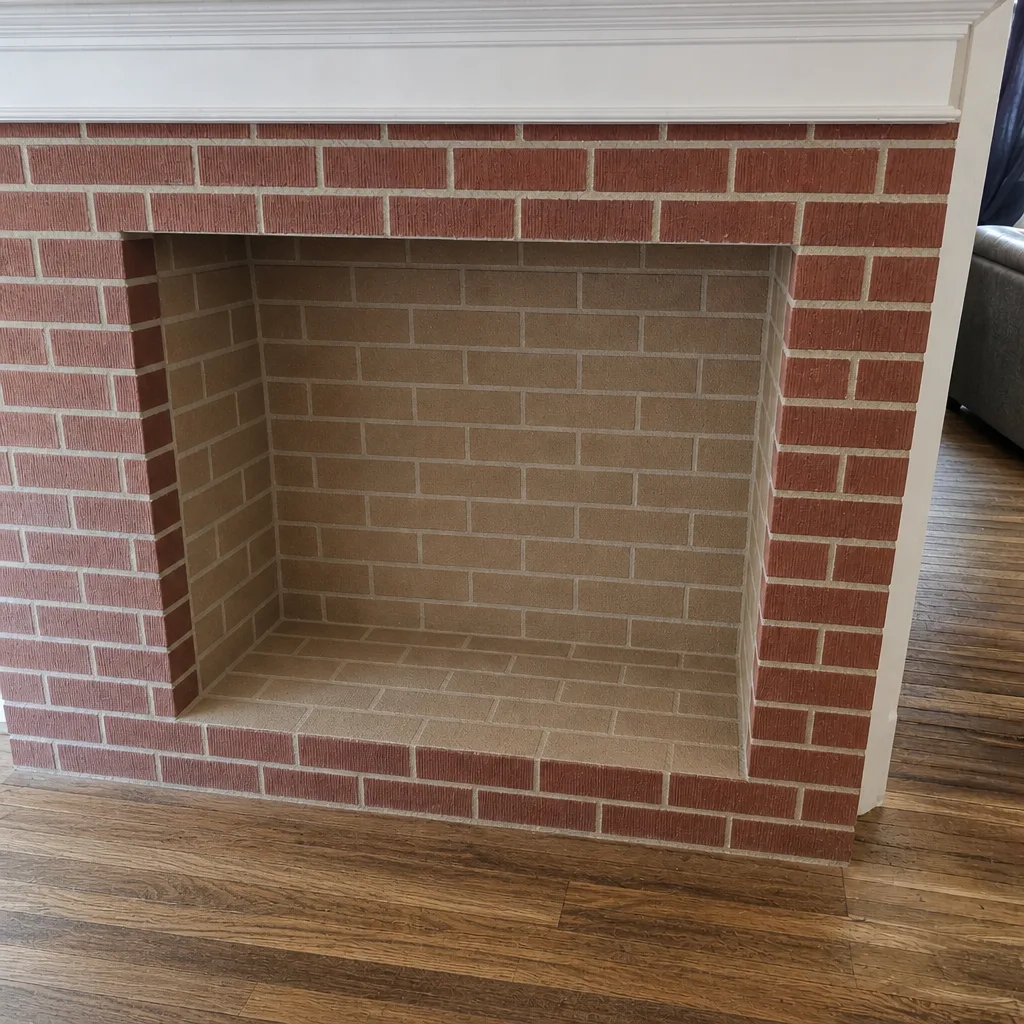
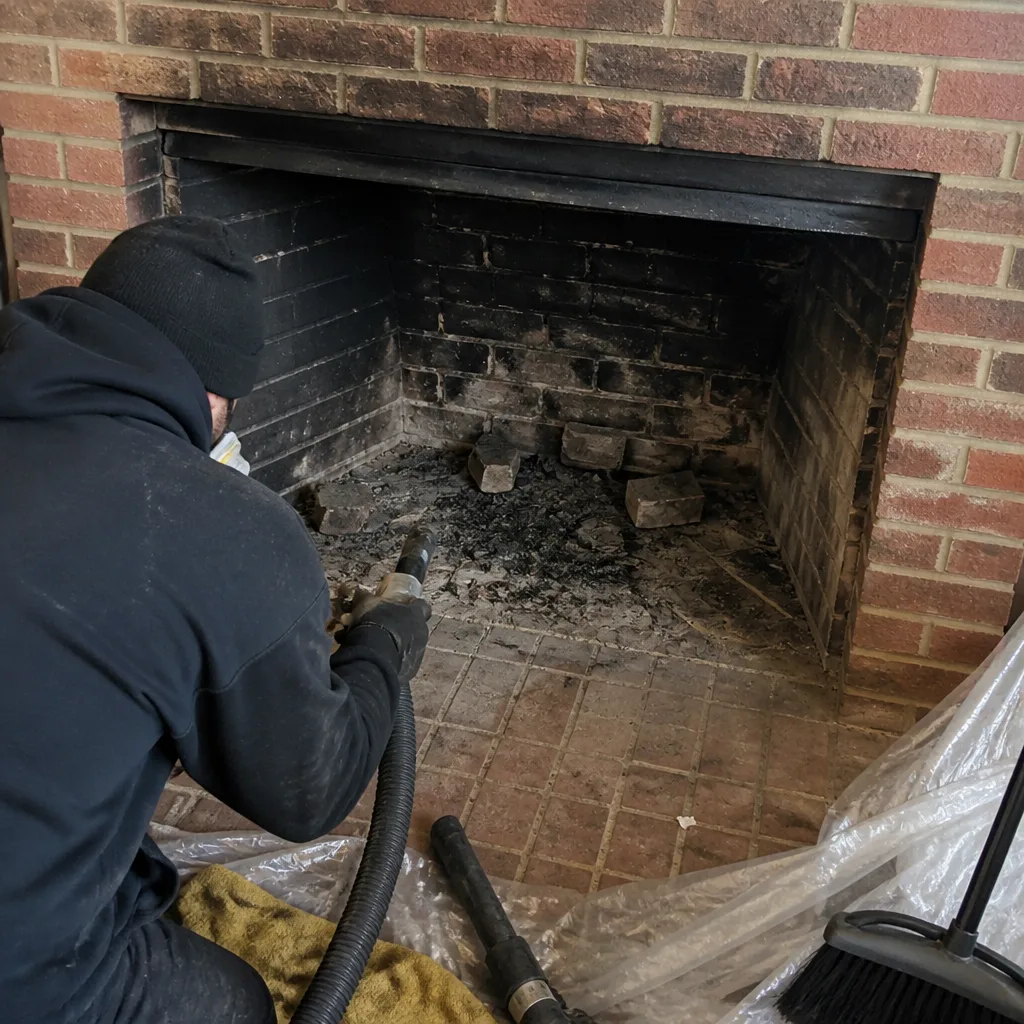
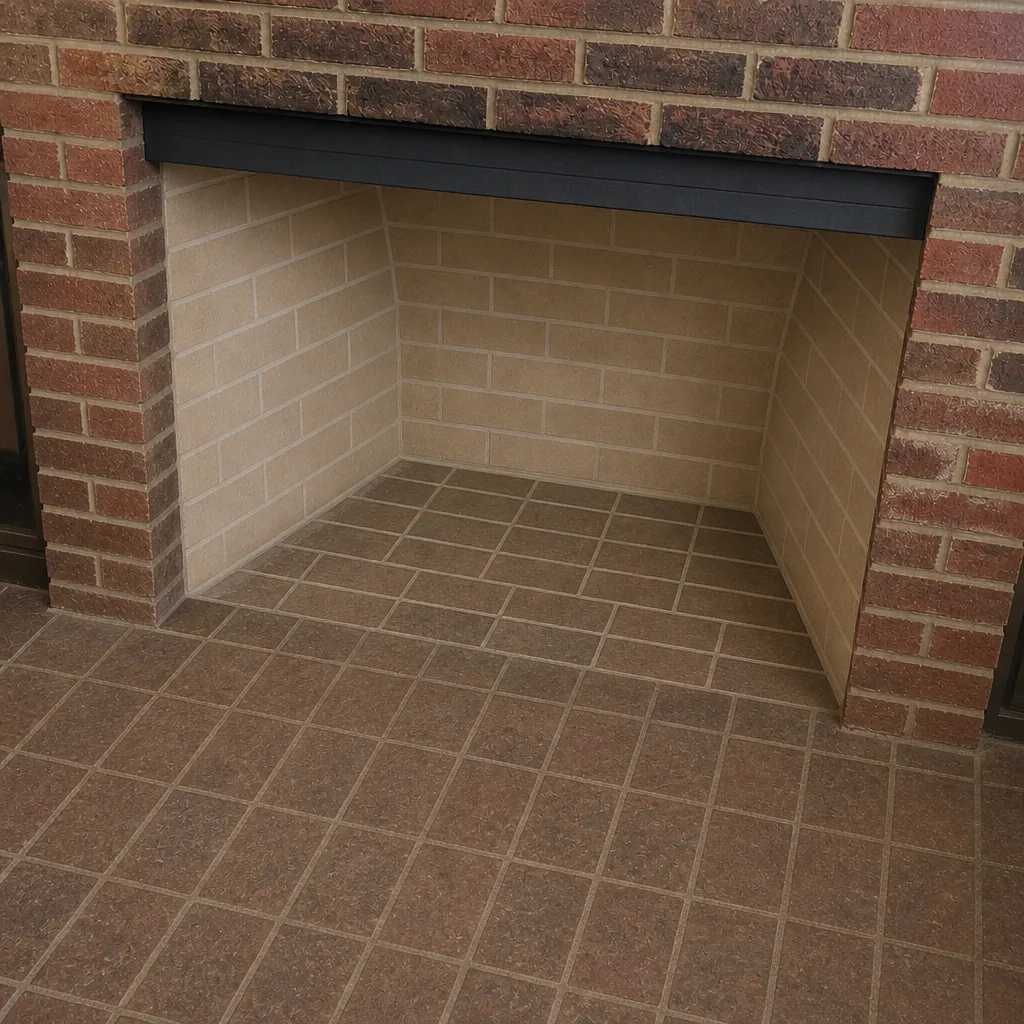
See the difference
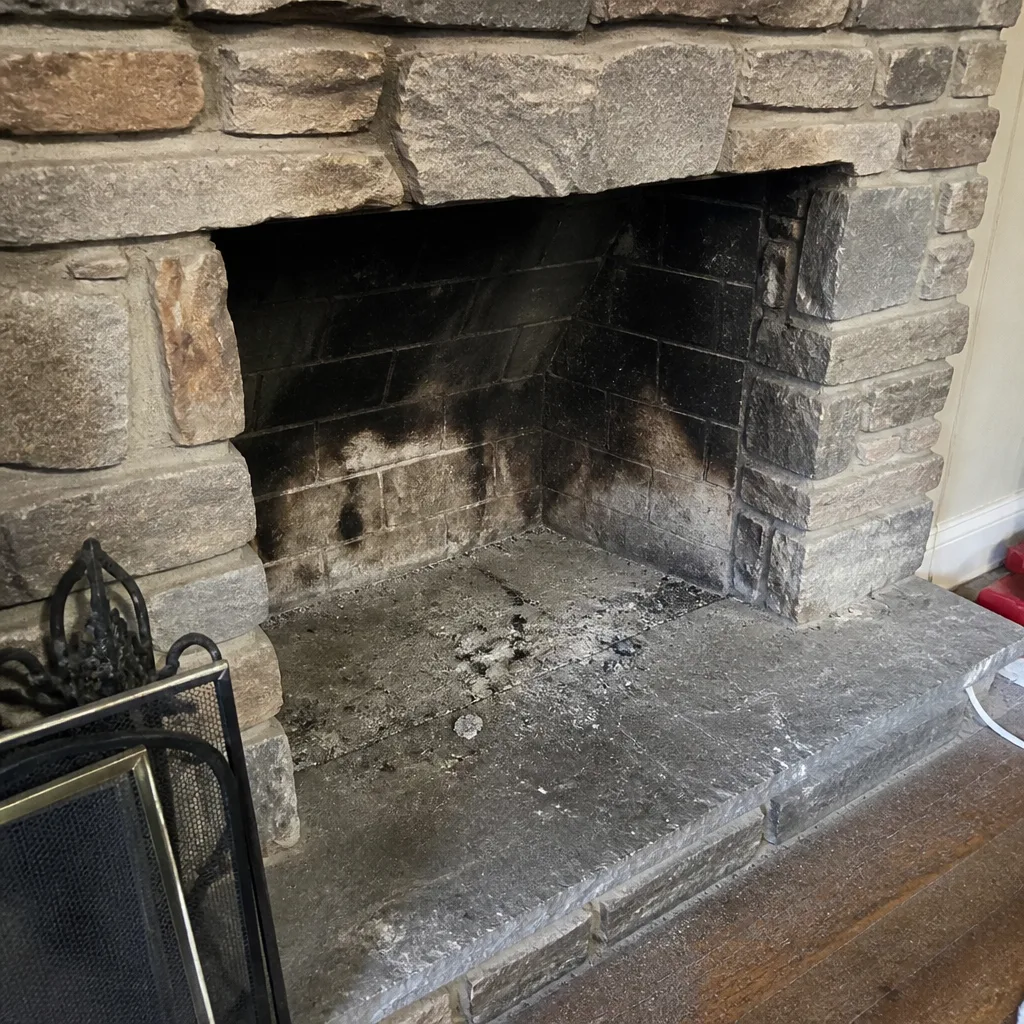 Before
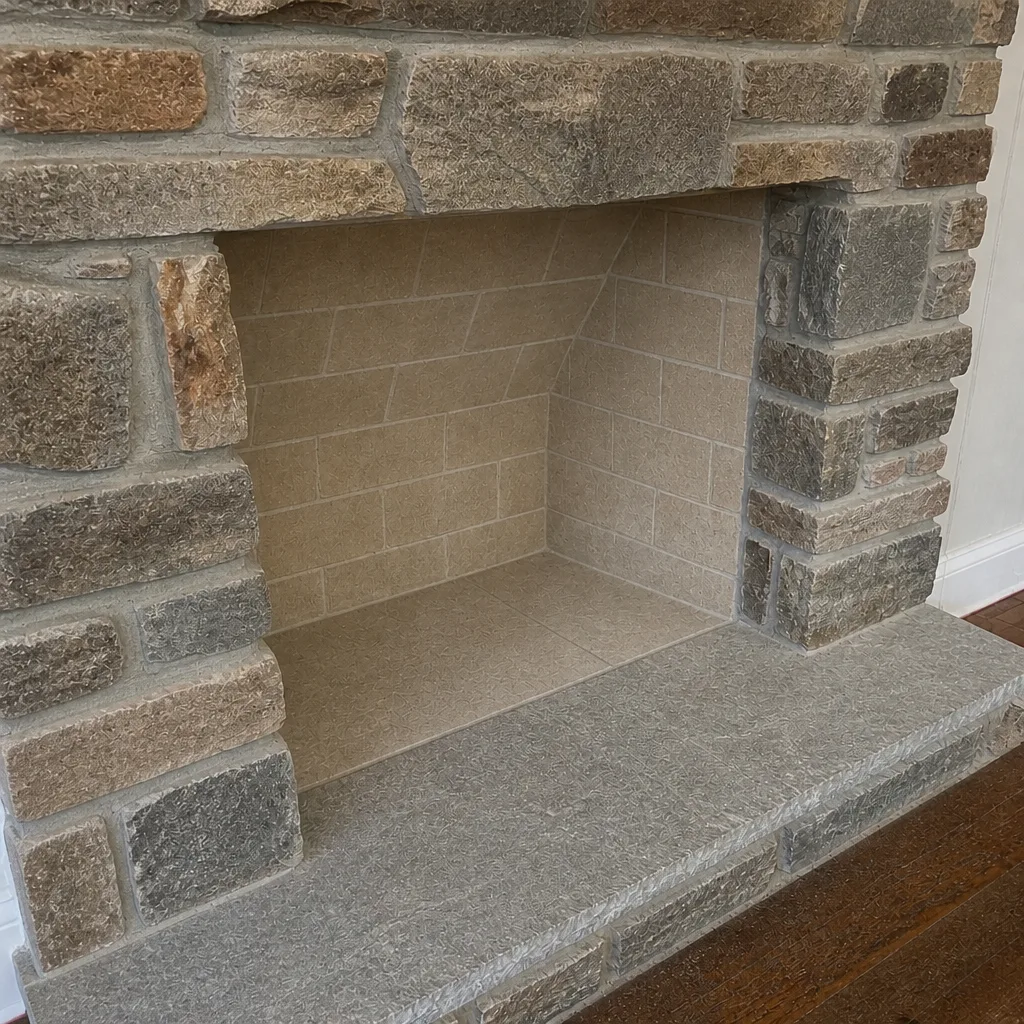 After
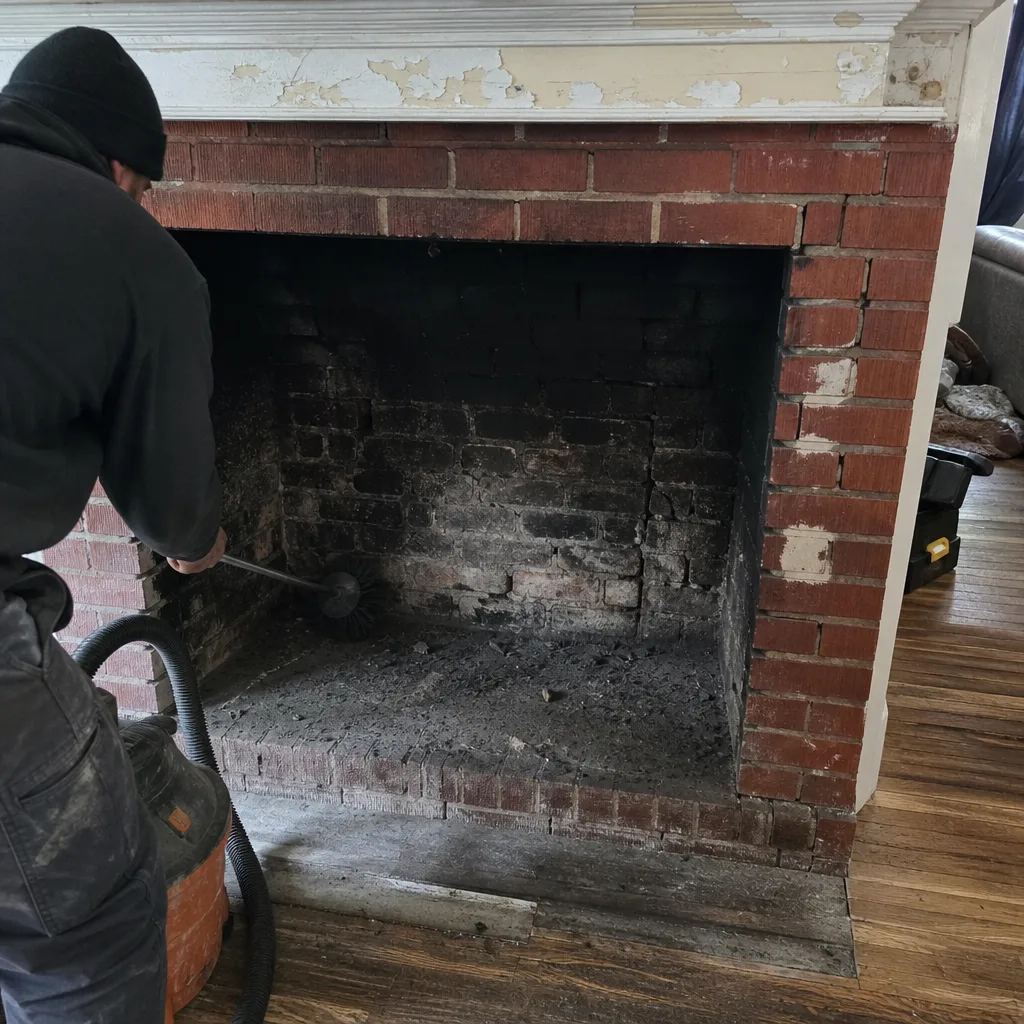 Before
 After
 Before
 After
When to Call a Professional
Call us when a red-line finding shows up: smoke in the room, visible fire damage, a collapsed or broken flue, heavily glazed creosote, a carbon monoxide alarm that goes off, or the aftermath of a chimney fire. Call us when a ground-level check finds a cracked crown, a missing or rusted cap, loose flashing, or receded mortar joints that concern you. Call us if the damper won’t operate smoothly, if draft is weak, or if you smell a musty or acrid odor in the chimney. And call us if you simply haven’t had the chimney swept and inspected in more than a year, because there’s no way to know the condition of a flue you’ve never seen.
Chimney Sweep Canarsie offers free estimates in Canarsie. Call (833) 508-9953. We answer 24/7. Fast dispatch from 7am to 7pm, Sunday through Friday. A trained technician can run the full inspection, tell you what actually needs to happen this year, and quote you the repair on the spot. One visit, one company, from the firebox to the crown.
Frequently Asked Questions
Once a year for a wood-burning fireplace or wood stove, once a year for an oil-vented appliance, and every two years for a gas insert with clear venting. Any time you smell smoke, see soot at the firebox, or notice the fire pulling weakly, sweep sooner rather than waiting for the calendar. Call (833) 508-9953 for an exact quote – estimates are free.
It depends on the condition of the flue interior. Some damaged liners can be resurfaced with HeatShield rather than replaced, and some can’t. The only way to know is a proper inspection of the flue with a camera. That’s why the inspection should come before the repair conversation, and why we say it plainly: don’t authorize a liner job until you’ve seen the evidence for yourself.
Yes, and you should. The ground-level binocular check and the interior check of draft, odor, smoke rollback and damper operation are homeowner-level checks, and they catch problems early. What a homeowner can’t safely do is a roof-level inspection, a full flue inspection, or a repair on a hazardous component. That’s the point at which a trained professional takes over.
Small problems grow. A cracked crown lets water in, which damages the liner and the firebox, and a thorough repair becomes a much larger one. Creosote builds up in the flue, and a heavy deposit is a fire hazard. Draft problems turn into smoke in the room. None of this is hypothetical, and none of it gets better with time.
Chimney sweep pricing varies with the flue condition, appliance type, and whether an inspection or repair is needed. We don’t quote a flat number sight-unseen, because a sweep on a lightly used gas flue and a sweep-and-inspection on a heavily used wood flue aren’t the same job. The estimate is free, and it’s set per job in writing. Call (833) 508-9953 for an exact quote.
It can be. A musty smell in a chimney often means moisture is getting in from a failed crown, a missing cap, or leaky flashing. The fix might be as simple as a new cap or a crown repair, but the moisture source has to be found first. Don’t wait for it to show up as a ceiling stain. Call (833) 508-9953 to schedule an inspection.
We work with all three. Wood-burning fireplaces, gas inserts, pellet stoves and oil-vented appliances each have different deposit patterns and inspection cadences, and the checklist and the repair conversation change accordingly. Call (833) 508-9953 and tell us what you burn, and we’ll walk you through what to expect.
Ask to see the evidence. Any legitimate finding should be something you can see with your own eyes: a photo of the crown crack, a look up the flue, a clear explanation of what the problem is and what happens if it’s not fixed. If someone recommends a liner or a rebuild without showing you what they found, get a second opinion.
The Bottom Line
The value of a chimney maintenance checklist in Canarsie isn’t the list itself. It’s the fact that you learn, on your own, whether your chimney is trending toward a minor service or a major repair. Run the ground-level binocular check twice a year. Run the interior check of draft, odor, smoke rollback and damper twice a year. Log what you find so the trends show up. Book the professional sweep and inspection once a year for wood and oil, and every two years for a clean gas insert. Then treat the red-line findings as firm and the amber findings as scheduled work. If you’d rather start with a professional baseline, Chimney Sweep Canarsie offers free estimates in Canarsie. Call (833) 508-9953. We answer 24/7. Fast dispatch from 7am to 7pm, Sunday through Friday.
Written by the team at Chimney Sweep Canarsie.